Fatty liver disease, often called a "silent killer", is a growing health concern. While the liver is located deep within the abdominal cavity, leading hepatobiliary specialists emphasize that problems with this organ often manifest directly on our faces.
"The face acts as an external indicator of internal metabolic stress," shared Dr. Vikram Raut, a senior consultant in liver transplantation at Fortis Mulund Hospital in Mumbai. As the liver is central to hormone regulation, toxin elimination, and nutrient processing, impaired liver function triggers observable changes.
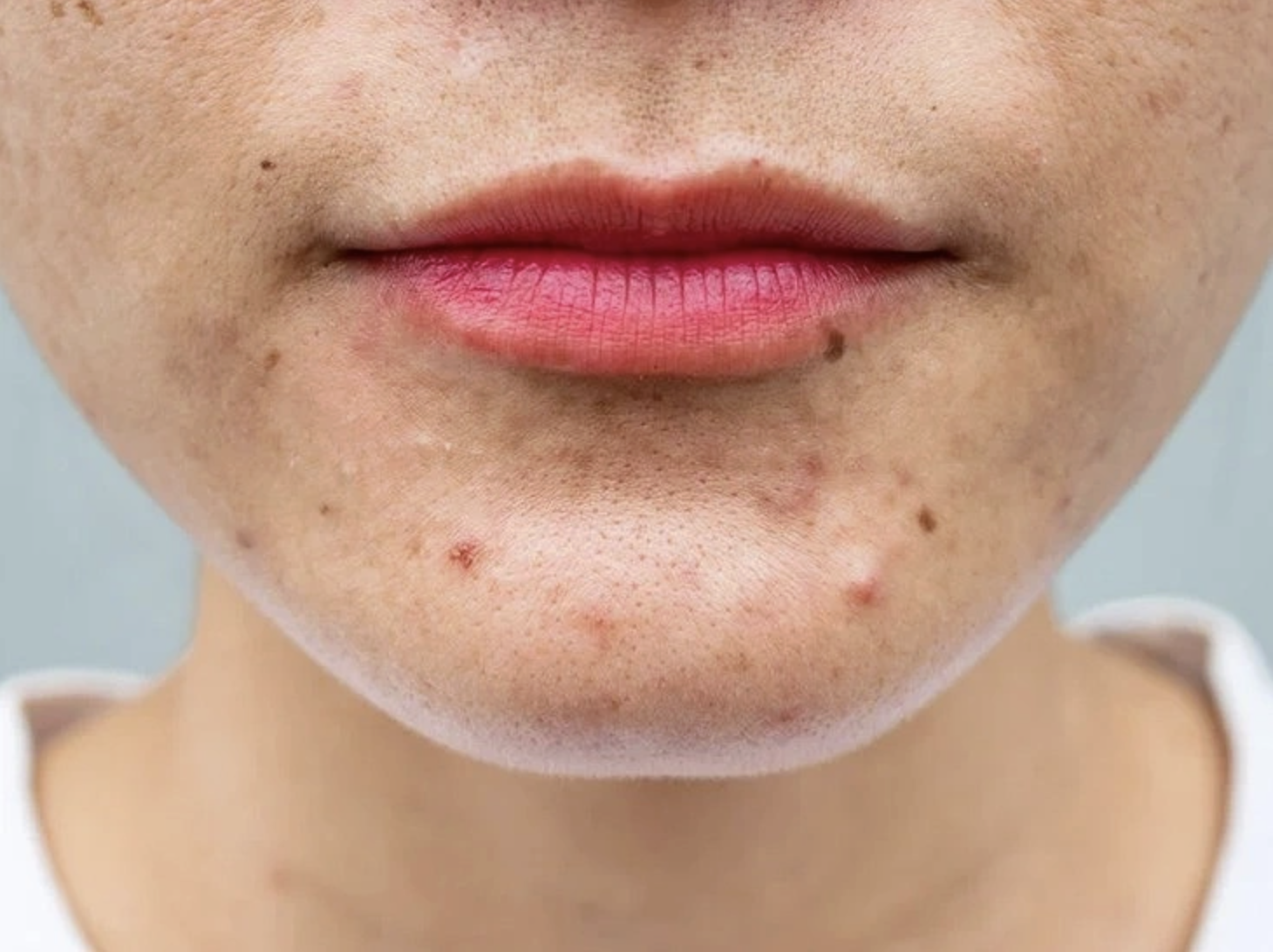 |
Sudden breakouts, especially around the jawline, cheeks, and forehead, can be a sign of fatty liver disease linked to metabolic dysfunction. Illustration: Healthline
Here are five important warning signs on your face that you should not ignore:
Yellowing skin and eyes
This is a classic sign of liver impairment. Dr. Mallikarjun Sakpal from Aster CMI Hospital in Bengaluru explains that this condition occurs when the liver cannot fully process bilirubin, a waste product from red blood cell breakdown. When the liver struggles, bilirubin levels rise, causing a slight yellow tint in the whites of the eyes or facial skin.
Puffy face and swollen eyes
If you consistently wake up with a swollen face, particularly around the cheeks and eyes, it could indicate fluid retention. Dr. Sudeep Khanna from Indraprastha Apollo Hospital states that when the liver is overloaded with fat, it produces less of the protein needed to retain fluid within blood vessels. This results in fluid leaking into facial muscle tissues, leading to persistent puffiness.
Acne and excessive oily skin
Sudden breakouts, especially around the jawline, cheeks, and forehead, can be a sign of metabolic dysfunction-associated steatotic liver disease (MASLD).
A fatty liver cannot effectively eliminate toxins or balance hormones like androgens. This leads to overactive sebaceous glands and persistent acne, even with conventional topical treatments.
Spider veins and facial redness
Tiny red lines branching out like a spiderweb (spider angiomas) are a common sign of severe liver scarring or cirrhosis. Dr. Raut explains that this is a consequence of capillary dilation.
Additionally, facial redness, similar to rosacea, often arises because the liver cannot break down estrogen. This increases blood flow to the facial skin, making the vascular network more visible.
Dull, itchy, and hyperpigmented skin
Liver disease can diminish the skin's natural radiance. Fatty liver often reduces the absorption of vitamins A and E, leading to dry, flaky, and itchy skin. Furthermore, hormonal imbalances and the accumulation of bile salts in the blood can cause facial skin to darken (grey-brown) or develop uneven patches.
While these signs may seem concerning, doctors affirm that fatty liver disease is entirely treatable if detected early. "Just a 5 to 10% reduction in body weight can significantly decrease liver fat and reverse the disease progression," Dr. Khanna emphasized.
Experts recommend switching to vegetable-rich meals and completely eliminating sugary soft drinks. They also advise maintaining a habit of walking for at least 30 minutes daily. Incorporate natural anti-inflammatory spices like turmeric to support recovery. If you have risk factors such as obesity or diabetes, proactively consult a doctor for regular ultrasounds or FibroScan.
Hindustan Times