Doctor of Science II Nguyen Tien Dung, Deputy Director of the Stroke Center at Bach Mai Hospital, states that in stroke treatment, "time is brain". Every second of delay causes approximately 32,000 brain cells to suffer irreversible damage. The passage of time determines the line between life and death, between potential recovery and the risk of lifelong disability. Beyond early symptom recognition, proper first aid skills from family members are crucial while awaiting medical professionals.
Upon detecting someone exhibiting suspected stroke signs according to the FAST principle (facial drooping, arm weakness, speech difficulty), it is essential to remain calm and follow these steps:
**The 4 Dos:**
**1. Call emergency 115 immediately.** This is the top priority. When calling, clearly state "suspected stroke" so emergency services can prepare the necessary equipment and prioritize the route. If self-transporting, quickly take the patient to the nearest medical facility with a specialized stroke treatment unit.
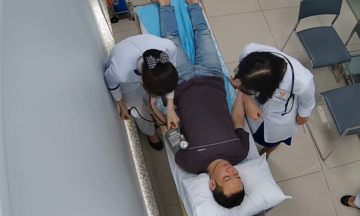
**2. Place the patient in a safe position and ensure a clear airway.** If the patient is conscious, have them lie in a cool, airy place with their head elevated about 30 degrees. If the patient is unconscious or vomiting, place them in the recovery position (on their side) to prevent vomit from entering the airway and causing aspiration. Loosen any tight clothing, such as collars, ties, or belts, to help the patient breathe easily. If the patient has dentures, gently remove them to prevent them from falling into the airway. A clean cloth wrapped around a finger can be used to clear phlegm or vomit from the patient's mouth.
**3. Monitor closely and note the onset time.** Accurately record the exact moment the first symptom appeared. This information is especially important as it helps doctors decide whether to administer thrombolytic drugs (within the first 4,5 hours) or perform a thrombectomy. Continuously monitor the patient's breathing, complexion, and level of consciousness.
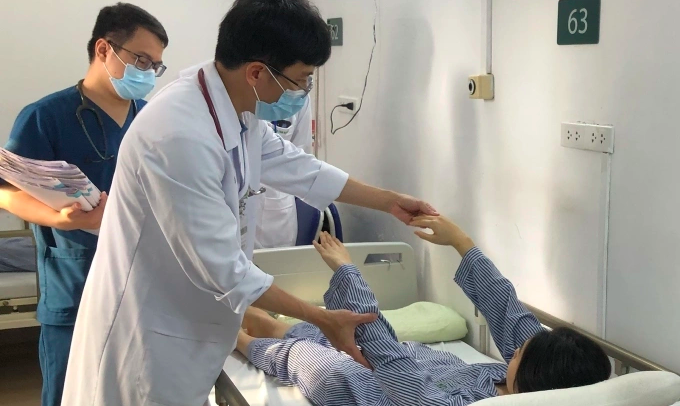 |
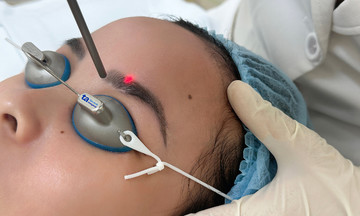
A young female patient receiving treatment at the Stroke Center, Bach Mai Hospital. Photo: Do Hang |
**The 5 Don'ts:**
Doctor Dung warns against giving the patient any food, drink, or medication, including plain water or blood pressure medication. The reason is that stroke often causes swallowing disorders, which can easily lead to choking, respiratory failure, and death. Do not arbitrarily give the patient medication; using unverified drugs or those not indicated during the acute phase can worsen the condition or lead to aspiration into the lungs.
Do not perform acupuncture or finger pricking. This method does not dissolve blood clots and, instead, wastes the "golden time" for medical intervention. Furthermore, do not wait for the patient to "recover on their own". Stroke symptoms may briefly improve, but the condition can deteriorate rapidly and dangerously, requiring immediate emergency care.
Finally, do not self-transport the patient on a moto. In cases where an ambulance is not available, a car or taxi should be used to ensure the patient can lie stably and safely during transport.
"Correct stroke first aid at home significantly reduces dangerous complications," Doctor Dung emphasized, reminding everyone to "always remember: Stay calm - Lie on side - Call emergency - Remember onset time."
Le Nga