Cancer, characterized by abnormal and uncontrolled cell growth, is influenced by various risk factors such as tobacco smoke, chemicals, radiation, DNA-damaging viruses, genetics, and chronic inflammation. However, according to Doctor of Grade II Nguyen The Hien, Head of the Radiation Therapy Department at the Oncology Center, Tam Anh General Hospital TP HCM, cancer is largely preventable through proactive avoidance or limitation of these risks and the adoption of a healthy lifestyle.
Avoid smoking
Tobacco smoke contains over 7,000 chemicals, dozens of which are carcinogens. These substances damage DNA, weaken the immune system, and can lead to cancers of the lung, nasopharynx, esophagus, bladder, kidney, and pancreas. Individuals who do not smoke but are regularly exposed to secondhand smoke also face a high risk.
 |
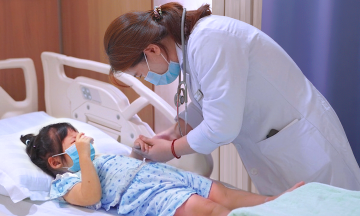
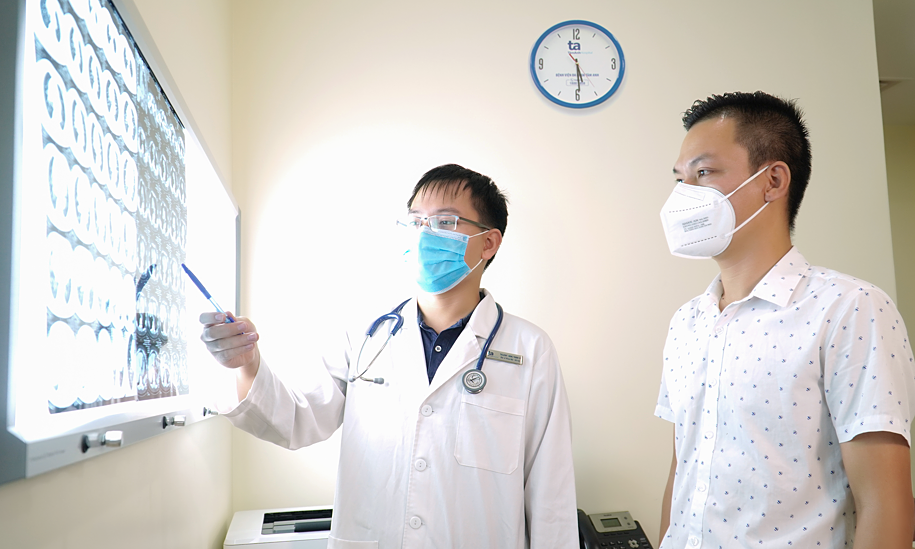
Doctor Hien advises a patient. Illustration: Tam Anh General Hospital. |
Manage weight
Being overweight or obese increases the body's estrogen production, sustains chronic inflammation, and raises insulin and IGF-1 levels—factors that can promote cancer cell growth. This condition is linked to an elevated risk of breast, colorectal, uterine, kidney, and esophageal cancers. Overweight or obese individuals should seek medical consultation for scientific weight loss advice.
Eat a balanced diet
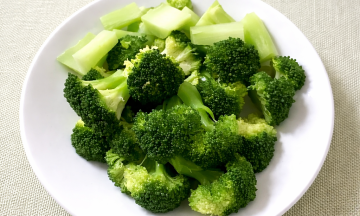
A balanced diet, rich in diverse foods like green vegetables, fruits, whole grains, and protein from fish, eggs, and beans, boosts the immune system, protects cells from damage, and helps maintain a healthy weight. Additionally, limit processed foods such as bacon, sausages, and alcoholic beverages. If consuming red meat like beef, pork, or lamb, restrict intake to about 350-500 g per week (cooked weight). Prioritize boiled and steamed dishes over grilling or frying at high temperatures, which can promote carcinogen production.
Exercise regularly
Regular physical activity regulates hormones, strengthens the immune system, and shortens food transit time in the intestines, thereby reducing colorectal cancer risk. Adults should dedicate at least 150 minutes per week to activities such as brisk walking, swimming, or cycling.
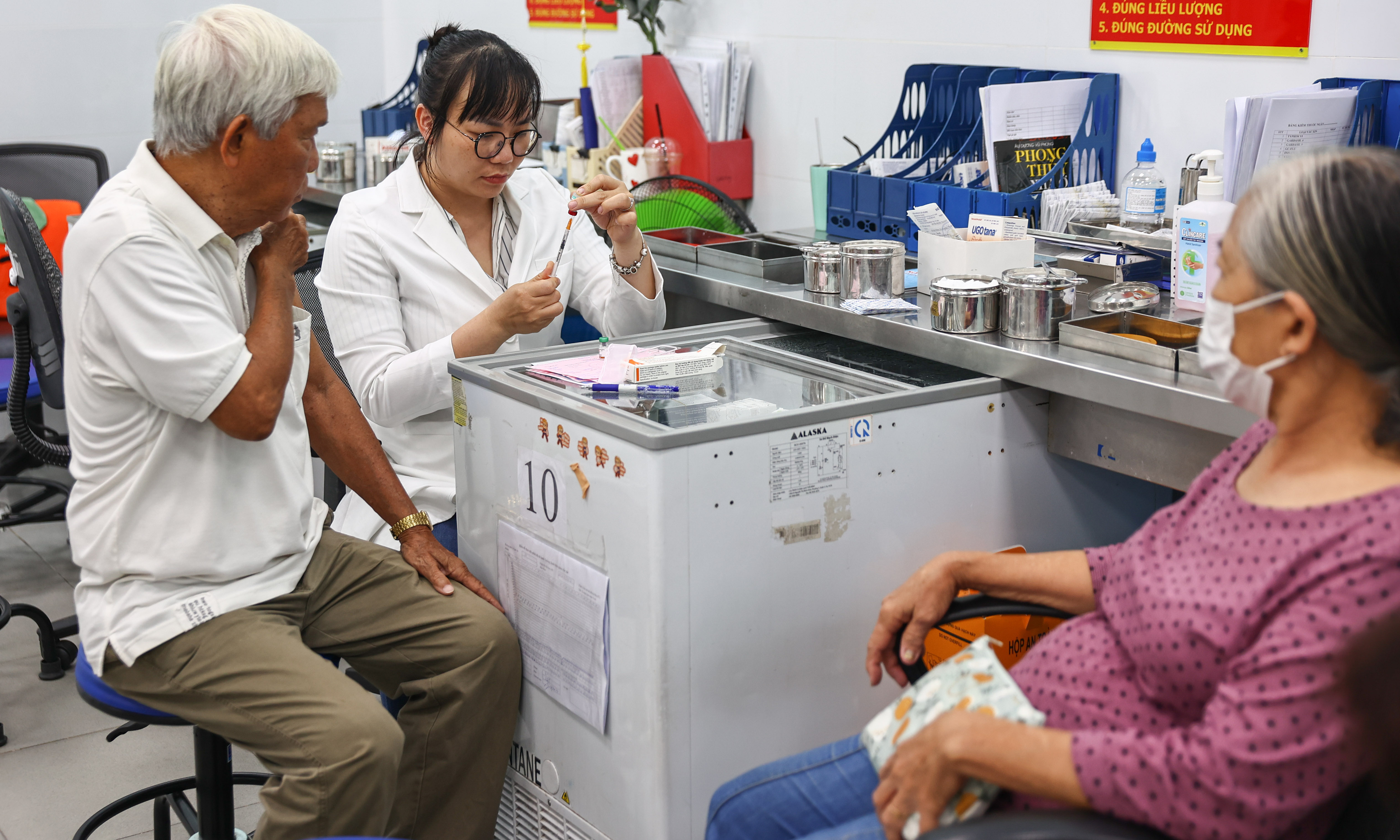
While no universal vaccine prevents all cancers, Doctor Hien notes that Hepatitis B and HPV vaccines can reduce the risk of viral infections closely linked to liver cancer, cervical, vulvar, and vaginal cancers in women, and certain head and neck, and penile cancers in men.
Bao Tram
| Readers can send questions about cancer here for doctors to answer. |