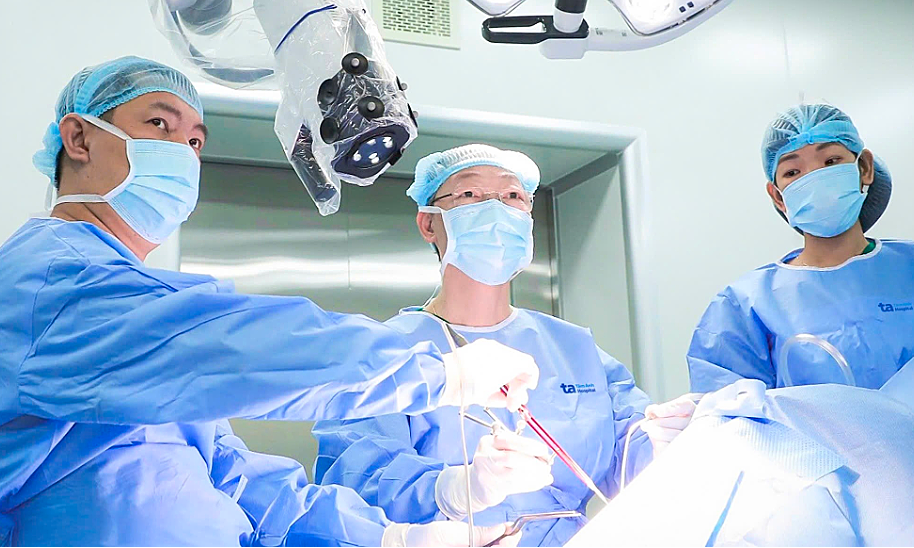
A CT scan of Ha at Tam Anh General Hospital, Ho Chi Minh City, revealed an unevenly bordered tumor in the lower lobe of her left lung, measuring 20x22x31 mm. Associate Professor, Doctor Vu Huu Vinh, Director of the Thoracic and Vascular Surgery Center, stated that the tumor could be in stage 1A or 2A, with its nature not yet definitively determined. The patient underwent surgery to remove the tumor, combined with a frozen section biopsy to determine its nature.
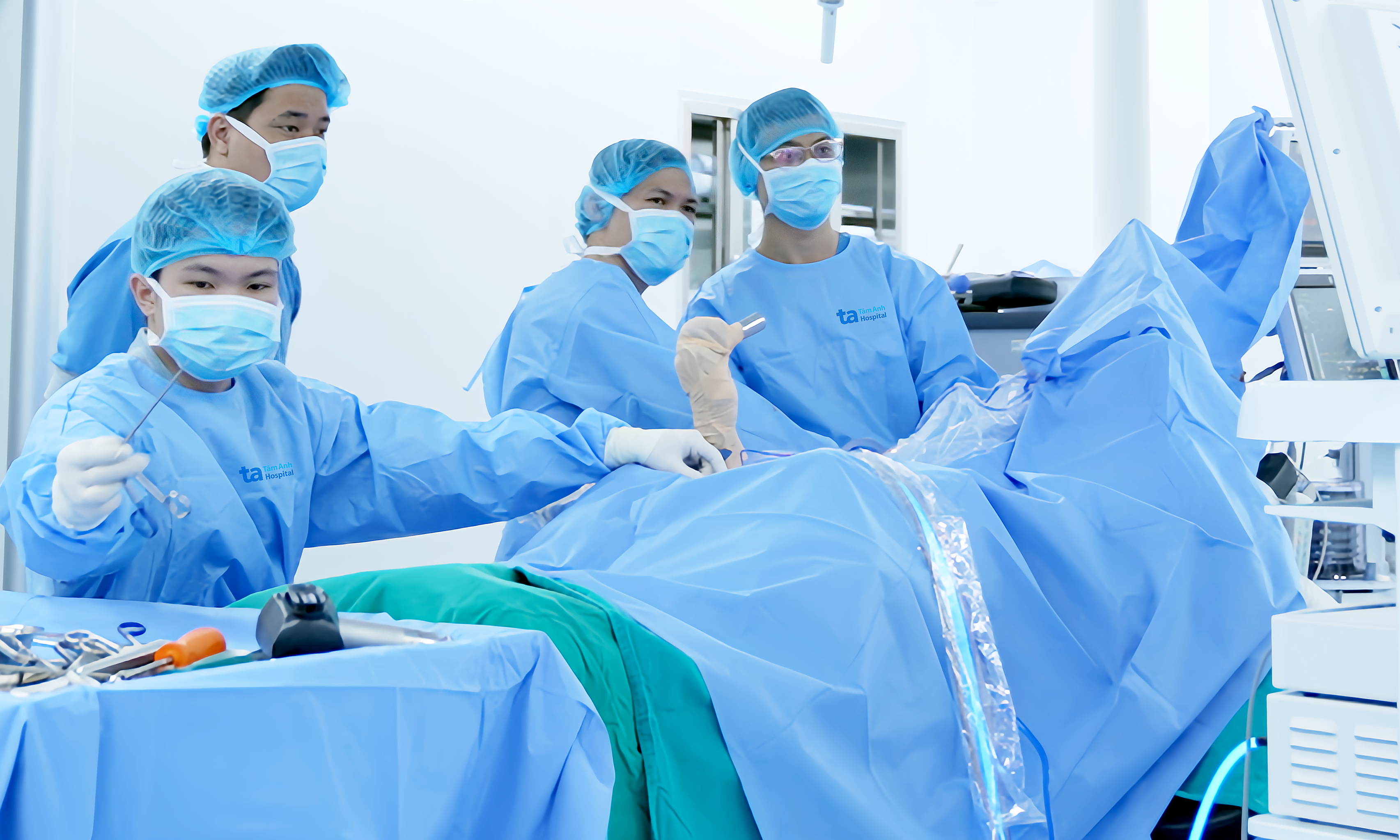
According to Associate Professor Vinh, Ha's debilitated condition made it difficult for her to endure a prolonged surgery. To address this, doctors administered protein fluids to improve her health before the operation. Additionally, surgery was performed using the Da Vinci Xi robot to minimize blood loss, reduce pain, and accelerate recovery.
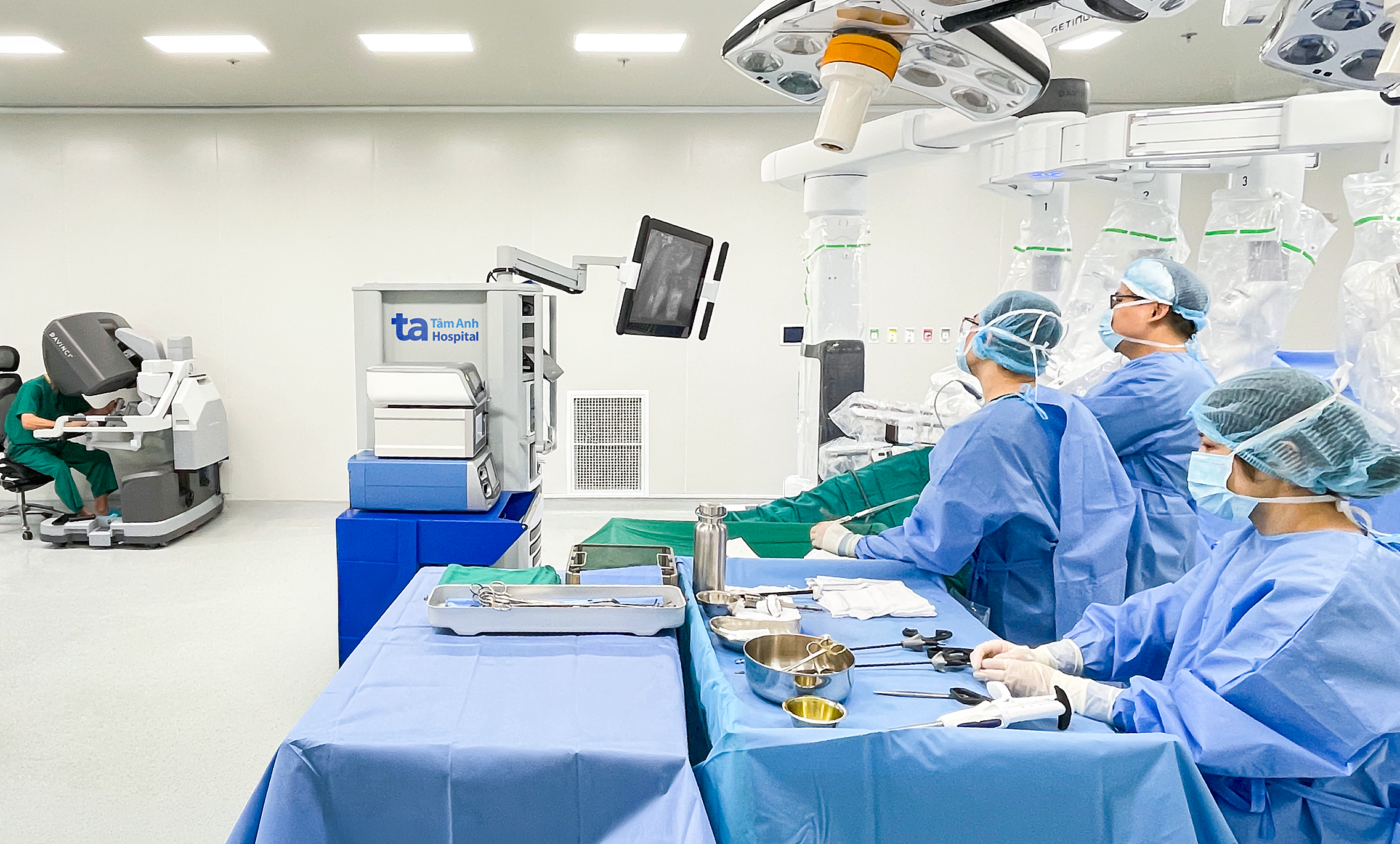 |
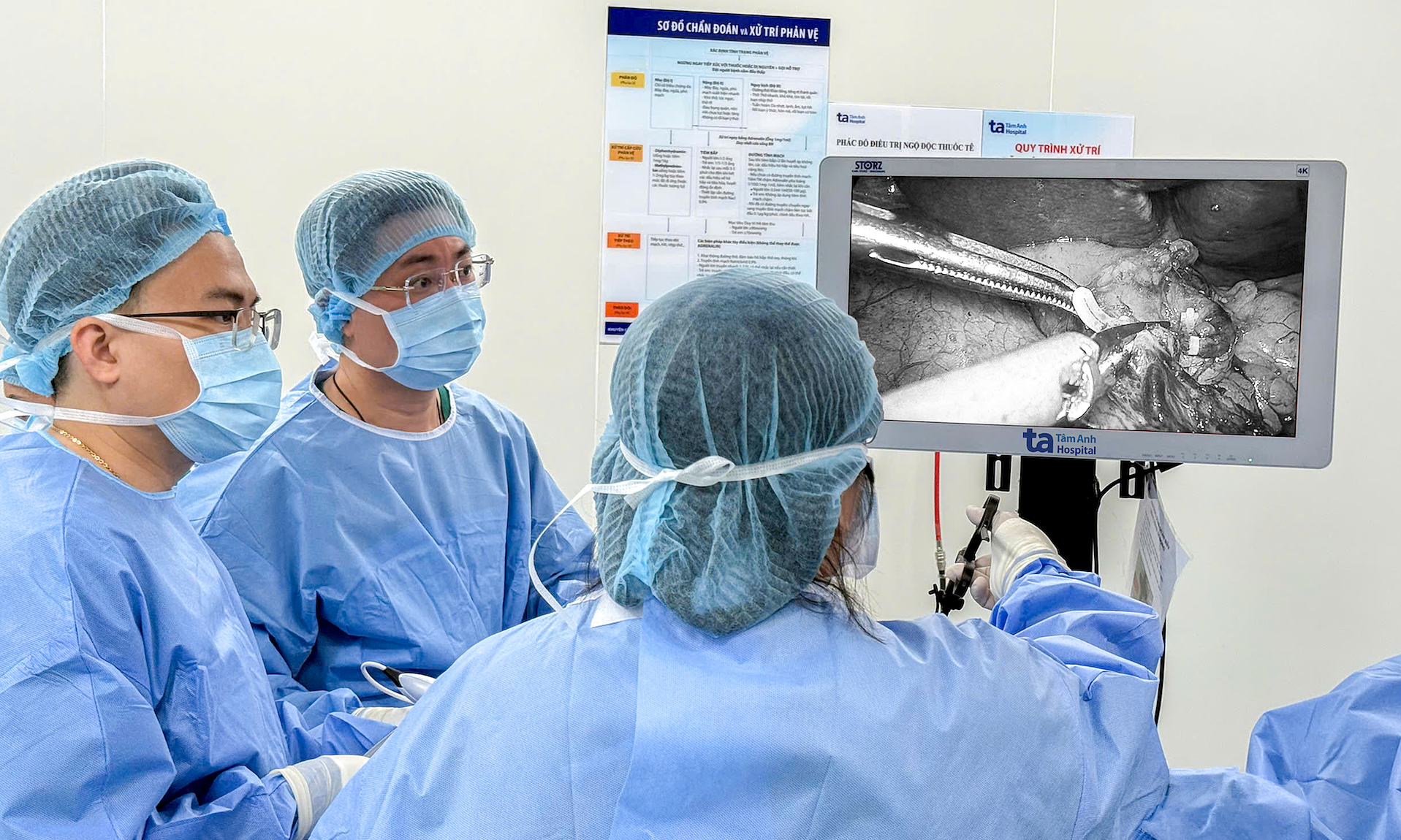
Associate Professor Vinh (left) operating the Da Vinci Xi robot to remove a lung tumor from a patient. *Photo: Tam Anh General Hospital* |
Associate Professor Vinh controlled the robotic arms to access the lesion and collect a specimen for a frozen section biopsy. After 40 minutes, the biopsy results confirmed the tumor was malignant: an early-stage 1A3 lung adenocarcinoma. The surgical team removed the lower lobe of the left lung containing the tumor and cleared all lymph nodes to eradicate the cancer.
Ha recovered quickly after surgery, gaining enough strength to continue with supplementary treatment to prevent recurrence.
Associate Professor Vinh noted that initial symptoms of lung cancer, such as coughing, fatigue, chest tightness, and shortness of breath, are easily mistaken for common lung diseases like tuberculosis, leading to delayed diagnosis and missing the "golden window" for lung cancer treatment.
Individuals at high risk, such as long-term smokers, those working in polluted environments, or those with chronic obstructive pulmonary disease (COPD), bronchial asthma, or pulmonary fibrosis, should undergo regular health check-ups, including low-dose lung CT scans for lung cancer screening. When detected at an early stage, the disease can be treated with minimally invasive methods, such as Da Vinci Xi robot-assisted surgery, which eradicates the tumor, preserves healthy tissue, and promotes rapid patient recovery.
Bao Anh
* Patient's name has been changed
| Readers can submit questions about cancer here for doctors to answer. |