Initially, Hung was diagnosed with allergic dermatitis. Antihistamines and topical creams did not alleviate his itching. Later, he experienced fatigue, drier skin, occasional mild eyelid swelling in the morning, and reduced urination. A visit to Tam Anh General Hospital Hanoi confirmed a glomerular filtration rate (GFR) of 30 ml/min/1.73 m², significantly lower than the normal range of 90-120 ml/min/1.73 m², indicating kidney failure.
Master, Doctor Nguyen Thi Kieu Linh, from the Department of Nephrology - Dialysis, explained that a combination of factors, including increased urea and immune disorders, affects nerve endings under the skin, simultaneously causing an inflammatory reaction. This leads to persistent itching. She clarified that this is not a simple dermatological condition but uremic pruritus, an itching syndrome caused by chronic kidney failure, typically symmetrical, persistent, and more pronounced at night.
Hung received internal medicine treatment to control the progression of his chronic kidney disease. He also adopted a low-protein, low-salt, and low-phosphorus diet to reduce the burden on his kidneys and limit the accumulation of metabolites in his blood. He has periodic follow-up appointments to monitor his kidney function closely.
Concurrently, he used medication to manage his itching symptoms and regularly moisturized his skin. This helped alleviate dry skin, a factor that can intensify itching in patients with chronic kidney failure. Gradually, his skin itching decreased, he slept better, and his overall health stabilized.
 |
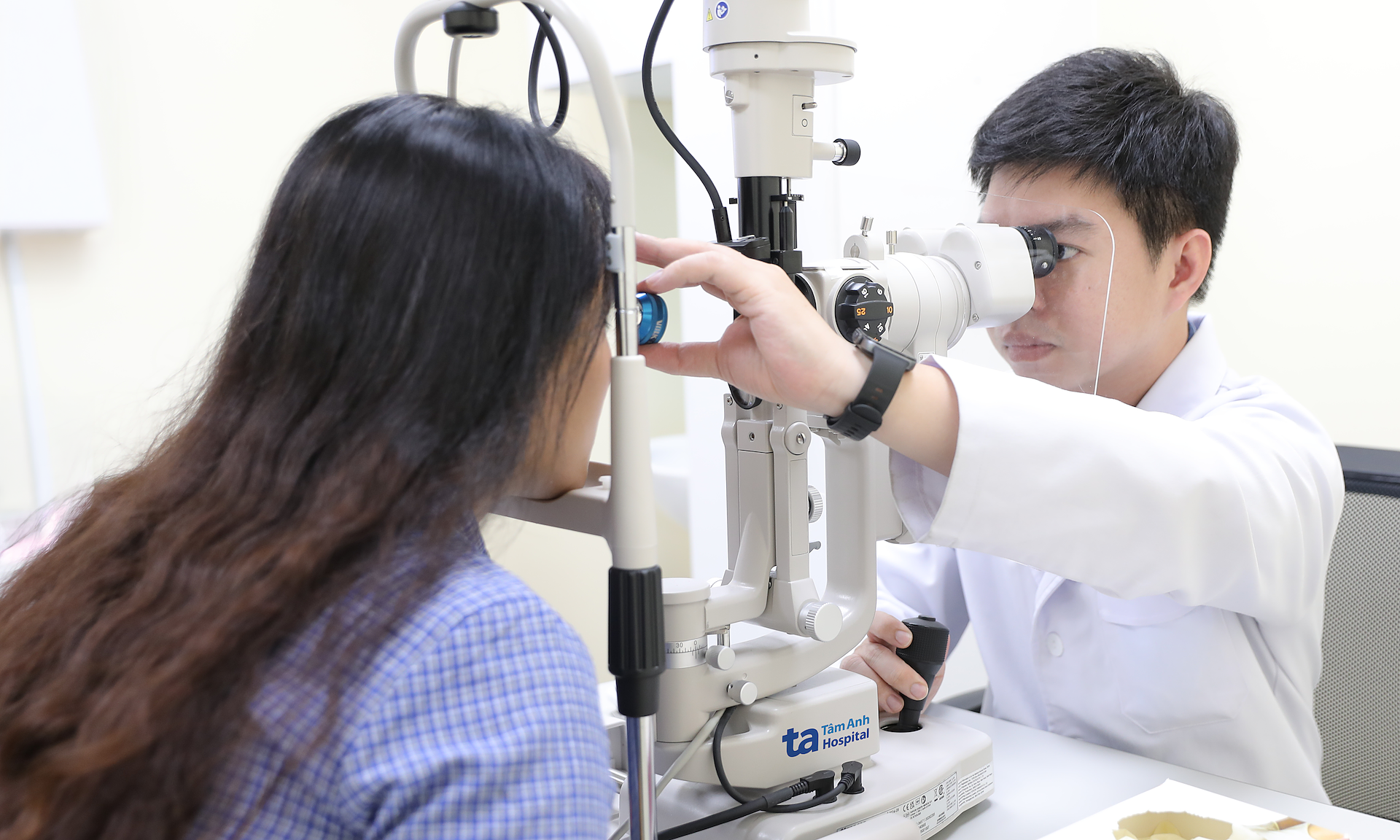
Hung's follow-up visit after treatment. Photo: Tam Anh General Hospital. |
Hung's follow-up visit after treatment. Photo: Tam Anh General Hospital.
"Itchy skin due to chronic kidney failure is a typical sign but often overlooked because initial symptoms are vague, usually presenting as generalized itching, dry skin, and no lesions," the doctor stated. Many people mistake it for allergies or hives and engage in prolonged self-treatment. Some cases may also include fatigue, mild swelling, reduced urination, or sleep disorders.
The doctor advises that if itching persists, especially worsening at night and not improving after common dermatological treatment, patients should seek medical attention to check kidney function. Early detection helps control disease progression, reducing the risk of advancing to severe stages that require renal replacement therapy, such as periodic dialysis or kidney transplant.
Thu Giang
*The patient's name has been changed