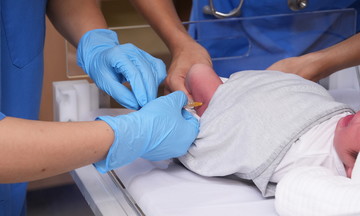
A man in his 30s was admitted to Nanjing No. 2 Hospital on 8/2 in a critical condition, semi-conscious, with a strong smell of alcohol, and unable to recognize family members. Tests revealed his prothrombin index, a key clotting factor, had plummeted to a life-threatening 8%. Medical professionals classify a prothrombin index below 40% as liver failure, with a mortality rate considered very high when it falls below 20%.
His condition rapidly worsened due to toxin accumulation, leading to hepatic encephalopathy. Intensive care unit (ICU) doctors initiated immediate plasma exchange, artificial liver support, and treatment for cerebral edema. After five days of intensive care, his vital signs stabilized. He was discharged after half a month of treatment.
Doctor Yue Zhi, Deputy Head of the Hepatobiliary Department, described the case as particularly severe, noting that survival would have been nearly impossible if the patient had a history of chronic liver disease.
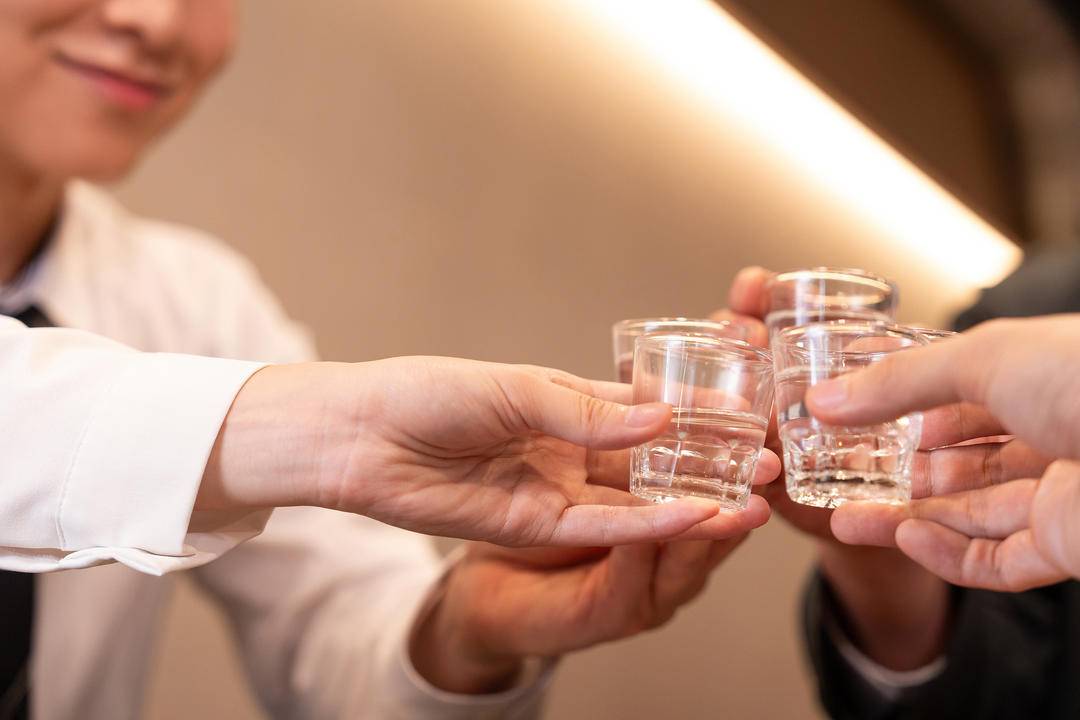 |
Illustration: Visual China |
The near-fatal incident resulted from the dangerous combination of alcohol and metronidazole. Experts warn that this interaction is more hazardous than even cephalosporin antibiotics. Metronidazole not only causes a "disulfiram reaction"—where acetaldehyde accumulates, leading to facial flushing and a rapid heartbeat—but also directly attacks liver cell mitochondria. This action destroys the liver's main energy source, inducing acute organ failure even in otherwise healthy individuals.
The alarming rise in poisoning cases from improper drug combinations highlights a growing public health concern. Data from a Shanghai hospital last year revealed a 37% increase in acute liver failure cases linked to metronidazole and alcohol, with 70% of these victims aged 25 to 35. Many young adults mistakenly view metronidazole as a common anti-inflammatory, self-prescribing it for toothaches or swollen gums, then consuming alcohol at social gatherings.
Medical professionals caution that beyond metronidazole, other medications such as: tinidazole, ketoconazole, and the hypoglycemic drug gliclazide carry similar risks when consumed with alcohol. Additionally, combining sedatives and pain relievers with alcohol can suppress respiration, potentially leading to respiratory arrest.
Doctors strongly advise the public to follow the principle of "no alcohol when taking medication and no medication when under the influence of alcohol," urging particular caution with common anti-inflammatory drugs during holiday periods.
By Binh Minh (According to Sina, 163)