Answer:
The hepatitis B virus can survive and replicate outside the liver, including in the testes, kidneys, ovaries, and male reproductive tissues, posing a potential risk to reproductive function.
The presence of the virus in germ cells can cause structural DNA damage to sperm. When sperm DNA is fragmented or abnormal, fertilization and early embryonic development are prone to complications. The number, motility, and normal morphology of sperm also decrease compared to those not infected with the virus.
Beyond its direct impact on sperm, chronic hepatitis B can also cause endocrine disorders due to impaired liver function. The liver metabolizes many hormones, including testosterone, which is essential for spermatogenesis and sexual desire. When liver function is poor, testosterone levels can decrease, leading to hormonal imbalance, reduced libido, erectile dysfunction, and affecting fertility.
Additionally, symptoms like prolonged fatigue and general weakness associated with hepatitis B infection can reduce the frequency of sexual intercourse and cause psychological stress.
 |
The hepatitis B virus potentially impacts reproductive function. Illustration: Vecteezy
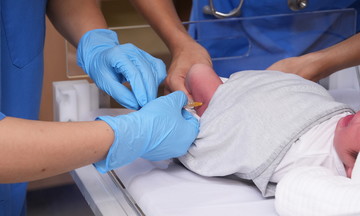
Men infected with hepatitis B can still have healthy children if the disease is well-controlled. When planning a pregnancy, the couple should undergo a health check-up, assessing the husband's viral load and the wife's immunity. Before conception, the wife should be vaccinated against hepatitis B and have regular prenatal check-ups to detect any abnormalities early. If the wife contracts the infection before or during pregnancy, she needs close monitoring and appropriate treatment from a specialist. If the viral load is stable, the pregnancy continues to be monitored. Conversely, the pregnant woman may need additional antiviral medication as prescribed to prevent transmission to the child.
Regardless of whether the mother is infected, the child needs to be vaccinated against hepatitis B within the first 24 hours after birth and receive vaccines containing hepatitis B components during the first two years of life. Children born to infected mothers require similar prevention and an additional dose of hepatitis B immunoglobulin within the first 24 hours after birth.
Individuals not infected with hepatitis B can prevent the disease through vaccination. They should undergo blood tests to check for existing antibodies or current hepatitis B infection. Currently, Viet Nam offers three types of vaccines: Heberbiovac HB (Cuba) and Gene Hbvax (Viet Nam), and Twinrix (Belgium), which protects against both hepatitis A and B in a single injection. Adults need three doses within 6 months and a hepatitis B test before a booster shot.
Doctor Phan Nguyen Truong Giang
(Medical Manager, VNVC Vaccination System)
Readers can submit vaccine-related questions for doctors to answer here.