On 25/11, a representative from Bac Ninh General Hospital No. 1 announced the patient was out of critical condition. He had been transferred from the Department of Gastroenterology to the Intensive Care and Anti-Poisoning Department with severely low blood pressure, persistent high fever, and severe abdominal pain.
Doctors diagnosed the patient with septic shock and multi-organ failure, prescribing continuous hemodialysis combined with broad-spectrum antibiotics. Blood culture test results confirmed he was positive for salmonella typhi bacteria, the causative agent of typhoid fever. He was immediately moved to an isolation area for treatment and to prevent further transmission.
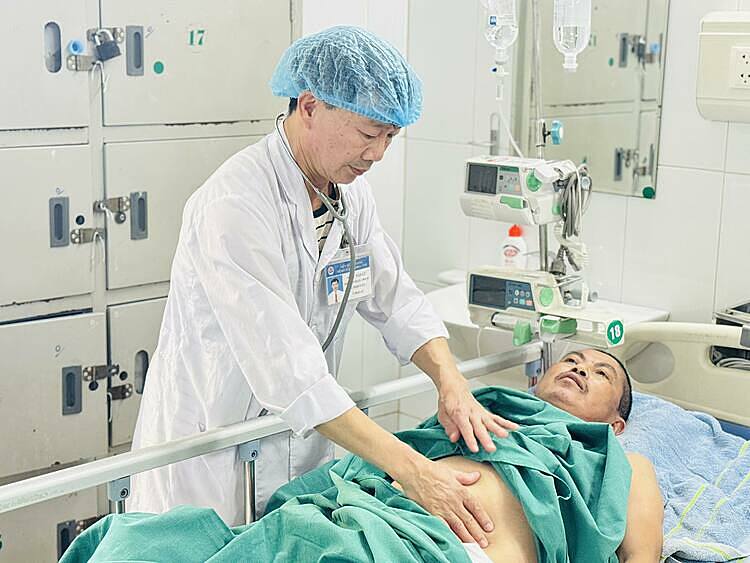 |
Doctors treating the patient. *Photo: Hospital provided* |
According to his family, four days prior to admission, the patient had a meal at a restaurant that included frog and duck meat, along with beer. That evening, he began experiencing loose stools. His digestive issues worsened, accompanied by unrelenting high fevers, prompting his family to seek emergency care.
Typhoid fever is an acute infectious disease transmitted through the digestive tract, caused by salmonella typhi bacteria. The disease typically starts from consuming contaminated, undercooked food or water, or through direct contact with waste or belongings of carriers.
Doctors note that salmonella typhi bacteria are resilient, surviving for two to three weeks in water and up to two to three months in feces or ice. The average incubation period is 8 to 14 days, depending on the bacterial load. Typical symptoms include prolonged high fever, headaches, fatigue, and digestive disturbances such as constipation or diarrhea. In some cases, gastrointestinal bleeding or rose spots may appear. Severe cases can lead to delirium, hallucinations, and death if not treated promptly.
Notably, even after clinical symptoms have subsided, patients can shed bacteria into the environment for the next two to three weeks, posing a risk of community transmission.
To prevent the disease, doctors recommend strict food safety practices: eating cooked food, drinking boiled water, washing hands frequently with soap, and storing raw and cooked foods separately. Communal kitchens and food businesses must strictly adhere to processing procedures to prevent the risk of outbreaks.
Thuy Quynh