According to a report from Guangming Daily, Mr. Tran, a resident of Jiangmen city, Guangdong, experienced sudden severe abdominal pain, diarrhea, and shortness of breath immediately after a meal prepared from leftover rice stored for several days in the refrigerator.
Upon admission to the emergency room, the patient was in severe shock with signs of multi-organ failure, affecting his heart, liver, and kidneys. Thanks to the medical team's efforts to save his life, Mr. Tran fortunately escaped death.
Lab results confirmed Mr. Tran suffered food poisoning caused by Bacillus cereus bacteria. This bacterium is often found in starchy foods like rice, fried rice, noodles, or potatoes left at room temperature for extended periods, which is why this infection is also known as "fried rice syndrome".
Bacillus cereus poisoning is mainly divided into two forms: emetic and diarrheal. The emetic toxin typically appears in starchy foods like rice and can survive for 90 minutes even at high temperatures above 120°C. The incubation period for this form is short, ranging from 30 minutes to 6 hours, with typical symptoms including nausea and vomiting. In severe cases, the toxin can cause liver damage and lead to multi-organ failure.
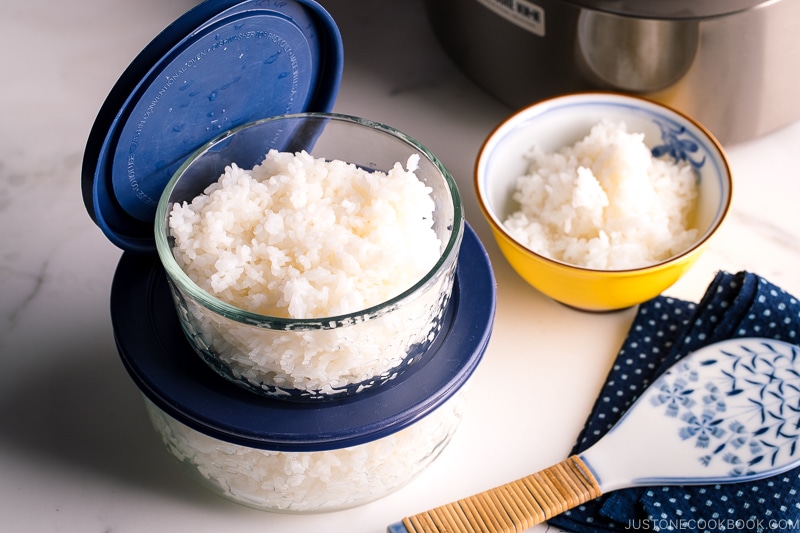 |
Illustrative photo: Just One Cookbook |
Furthermore, many families habitually keep food warm in rice cookers continuously throughout the day. However, keeping food warm for over 4 hours poses significant food safety risks. Rice cookers only maintain temperatures between 60°C and 70°C, and the heat distribution inside the pot is often uneven, causing the top layer of food to easily drop below 60°C.
This inadvertently places food into the "danger temperature zone" of 5°C to 60°C, as defined by the World Health Organization (WHO). This temperature range is ideal for dangerous bacteria like E. coli and Staphylococcus aureus to multiply rapidly, therefore consumers should not continue to consume such food.
To prevent the risk of poisoning, health experts emphasize a golden rule: food should be consumed immediately after preparation. Leftovers should be stored promptly in airtight containers or specialized bags and refrigerated, then consumed as quickly as possible and thoroughly reheated before eating.
Finally, kitchen appliance hygiene plays an equally crucial role. Consumers should regularly unplug and clean three critical areas of a rice cooker: the steam vent, the rubber gasket, and the heating plate. These hidden spots easily accumulate moisture, food residue, and broth, becoming massive breeding grounds for bacteria if neglected. Keeping the heating plate dry and clean not only eliminates pathogens but also maintains heat transfer efficiency, minimizing the risk of electrical fires in the home.
Binh Minh (According to Guangming Daily, Sinchew Daily)