Gestational hypertension occurs when a pregnant woman's blood pressure rises to 140/90 mmHg or higher. If this condition begins before week 20 of pregnancy, it is classified as chronic hypertension, indicating that the condition may have existed before pregnancy but went undetected.
Pregnant women with hypertension face an elevated risk of preeclampsia, eclampsia, postpartum hemorrhage, and the development of liver, kidney, or cardiovascular diseases later in life. For the fetus, potential complications include growth restriction, intrauterine death, placental abruption, and preterm birth.
Given your home blood pressure reading of 150/90 mmHg at 10 weeks of pregnancy, it is important to schedule an appointment at a specialized prenatal care facility. There, your blood pressure will be accurately re-measured, and you will undergo tests to evaluate proteinuria, liver and kidney function, and platelet count. The doctor will also perform a comprehensive ultrasound to assess fetal development and placental function, especially between 11-14 weeks.
According to international obstetrics and gynecology associations, pregnant women with chronic hypertension should still undergo preeclampsia screening. If deemed high-risk, low-dose Aspirin should be administered starting before week 16 of pregnancy to help prevent preeclampsia.
Adhering to your doctor's scheduled prenatal appointments is crucial. The primary goal of pregnancy management is to maintain safe blood pressure levels, conduct regular proteinuria checks, and perform close ultrasound monitoring of fetal health to enable early detection of preeclampsia complications.
You should monitor your blood pressure at home twice daily: once in the morning after waking up and again in the evening before going to bed. Remember to rest for 5-10 minutes before taking your measurement, sit with back support, and avoid coffee or strenuous activity beforehand. Keep a detailed log of your blood pressure readings to bring to each appointment.
 |
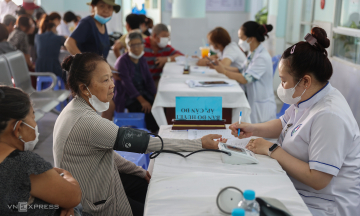
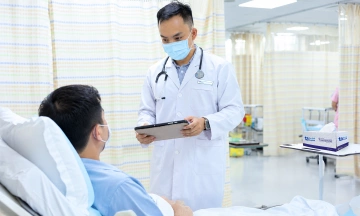
Doctor Nguyen Hoang Long consults a pregnant woman. Illustration: Tam Anh General Clinic District 7 |
Regarding lifestyle, prioritize a diet rich in green vegetables, whole grains, and lean protein, while limiting salt and processed foods. Divide your meals according to your needs, drink 2-2,5 liters of water daily, and ensure adequate intake of essential calcium and minerals. Maintain light physical activity such as walking, swimming, or yoga to manage weight appropriately. Avoid smoking, alcohol consumption, or taking any medication without your doctor's approval.
If you experience any unusual symptoms like headache, visual disturbances (blurred vision, flashing lights), pain in the upper abdomen or right lower rib area, shortness of breath, chest pain, swelling of the face, hands, or feet, decreased fetal movement, or vaginal bleeding, you should immediately go to a hospital with obstetrics, neonatology, and cardiology specialties for prompt treatment to ensure the safety of both mother and baby.
If the pregnancy progresses smoothly with no severe signs, doctors typically plan delivery for around week 39. This timing reduces risks for both mother and fetus, as the baby is full-term, fully developed, especially the lungs, and can adapt well to the outside environment without needing special care.
Postpartum, you should continue to monitor your blood pressure at home and schedule regular cardiovascular check-ups to prevent complications from hypertension or eclampsia. If hypertension persists for 6-12 weeks postpartum, you will require regular evaluation and treatment for chronic hypertension.
Doctor Nguyen Hoang Long
Fetal Medicine Unit
Tam Anh General Clinic District 7
| Readers can submit questions about obstetrics and gynecology here for doctor consultation. |