Master of Science, Doctor Nguyen Duc Nghia, from the Thoracic - Vascular Surgery Center at Tam Anh General Hospital TP HCM, stated that when a lung nodule was first detected in the lower left lung lobe, its size was very small. This made it insufficient to determine its nature, and continued monitoring was advised.
Upon re-examination three months later, a CT scan showed the lung nodule had increased in size to 8 mm. It presented as a solid structure with irregular, spiky borders. According to Doctor Nghia, the rate of growth and the changes in the tumor's imaging characteristics indicated a high risk of malignancy.
Mr. Pham's tumor was small, located deep within the lung parenchyma, and close to large blood vessels. This position made it difficult for doctors to access via bronchoscopy and challenging to perform a needle biopsy using conventional methods. The medical team opted for a "two-in-one" surgery, which involved both removing the lesion and conducting an immediate frozen section biopsy during the operation to determine the tumor's nature.
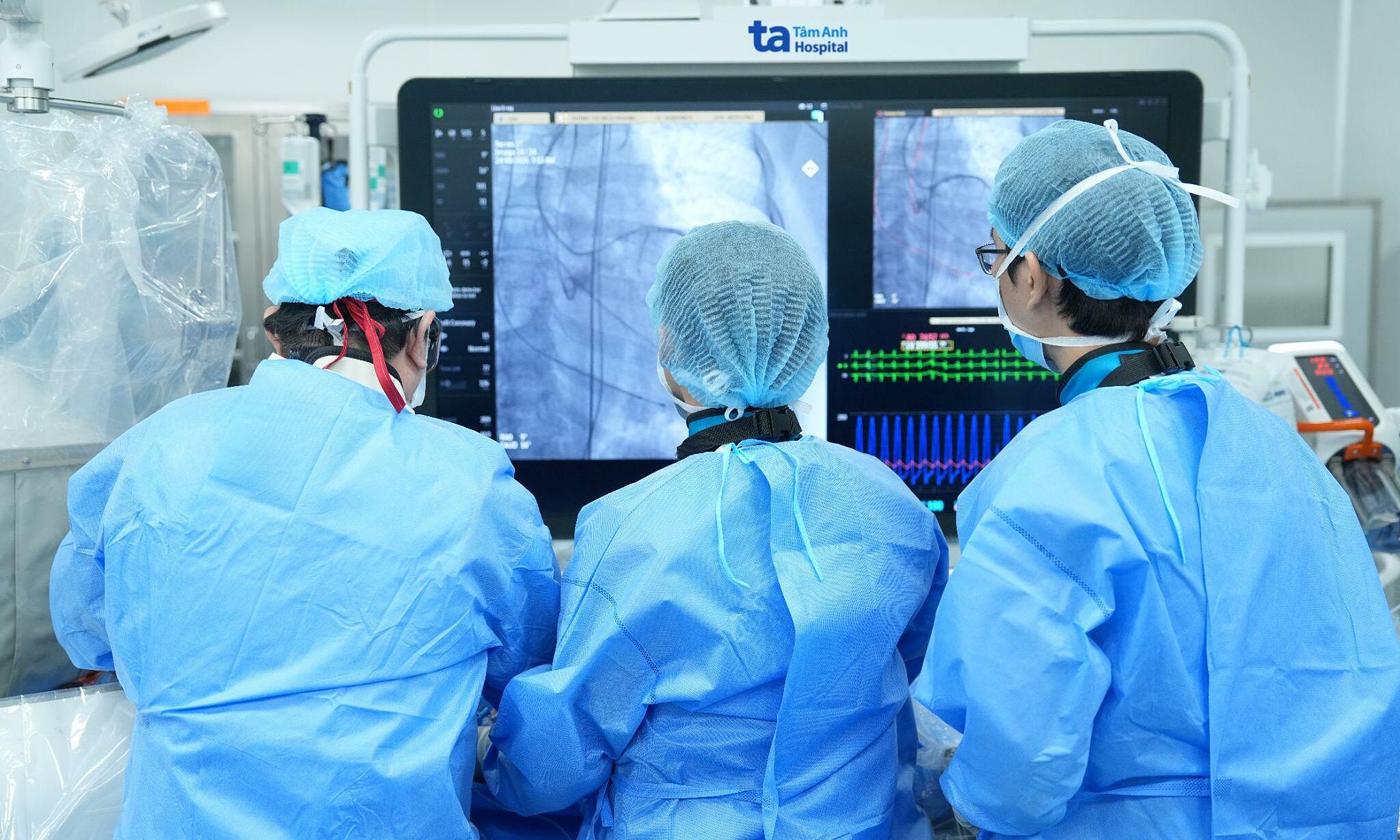
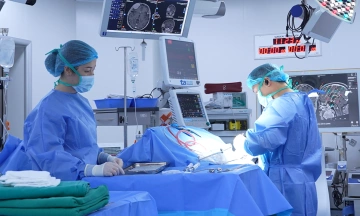
Guided by a magnified endoscopic camera, Doctor Nghia used specialized instruments to access the affected lung area and completely remove the lung nodule for immediate pathological analysis. After 40 minutes, the frozen section biopsy confirmed adenocarcinoma. Doctor Nghia then performed a complete resection of the lower left lung lobe and lymph node dissection to radically treat the cancer.
Following the surgery, Mr. Pham experienced minimal pain, was able to walk and eat normally, and was discharged after three days. Once the post-operative pathology results were available, doctors determined the disease stage, subsequently developing a follow-up and further treatment plan if necessary.
 |
Doctor Nghia (center) and the surgical team take biopsy samples and perform radical lung cancer surgery for the patient. Photo: Tam Anh General Hospital |
Doctor Nghia (center) and the surgical team take biopsy samples and perform radical lung cancer surgery for the patient. Photo: Tam Anh General Hospital
Thanks to early detection and intervention, the patient's 5-year survival prognosis is very positive, potentially exceeding 80% if they adhere to regular follow-ups and proper care, according to Doctor Nghia. Early-stage lung cancer may not cause coughing, chest pain, shortness of breath, or other clear symptoms. Therefore, individuals in high-risk groups, such as those over 60, with a history of smoking, working in hazardous environments, or having a family history of cancer, should undergo regular health check-ups combined with cancer screenings as advised by a doctor.
If a lung nodule is detected, patients need to attend follow-up appointments as scheduled so doctors can monitor its characteristics, growth rate, and adjust the treatment plan accordingly. Detecting lesions when they are small facilitates treatment and helps preserve the patient's respiratory function.
Bao Anh
* The patient's name has been changed
| Readers can ask questions about cancer here for doctors to answer |