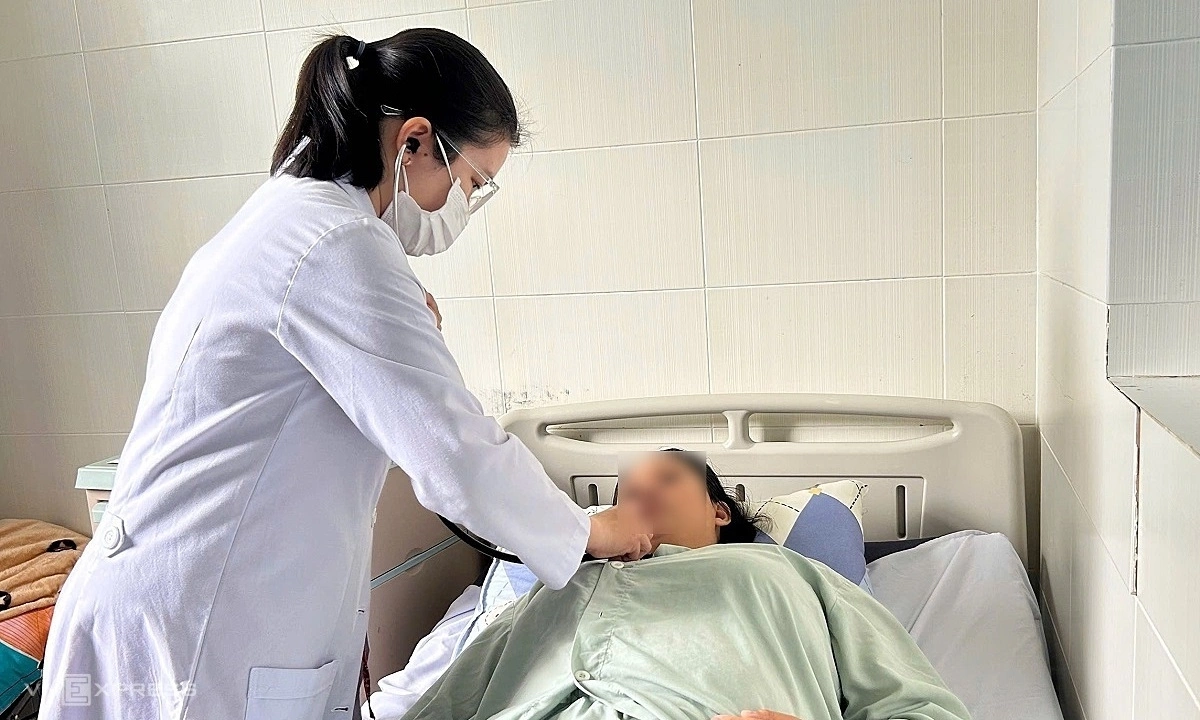
Dinh Anh Tuan, Head of the Department of Mother and Child Health, shared this information at the launch of a community program dedicated to women's health on 25/8.
The average age of menopause for Vietnamese women is between 48 and 50. After this milestone, women typically live for another 30 to 40 years, continuing to play crucial roles in their families, workplaces, and businesses, actively participating in economic and social activities. Tuan emphasized that healthcare for this demographic is no longer a personal matter but a public health concern.
The decline and fluctuation of hormones during menopause trigger numerous changes in women's bodies. Initial signs often include hot flashes, vasomotor symptoms (abnormal blood vessel dilation causing flushing and sweating), mood changes, insomnia, and decreased sexual function. Later, individuals may experience additional urinary, genital, and bone-related issues.
 |
Illustration: Pexel |
"Many women believe these issues are a natural part of menopause and accept living with them," Tuan stated. He noted that modern medicine aims beyond treating existing illnesses, focusing instead on prevention, maintaining body function, and improving quality of life for women during this phase.
Professor Tran Thi Phuong Mai, President of the Vietnam Menopausal Women's Healthcare Association, recounted numerous cases she had treated. These women, entering menopause, experienced significant physical and psychological changes that directly affected their marital relationships and family atmosphere. One husband told her his wife frequently had hot flashes and became irritable without cause, leading to prolonged family tension. The family sought diagnosis and treatment at various facilities and with different specialists, but the symptoms did not improve.
The cause is a sharp decline in estrogen, the primary female sex hormone, during this period. As estrogen receptors are distributed throughout the body, this decline impacts multiple organs simultaneously. In severe cases, menopausal women face increased risks of bone loss, osteoporosis, fractures, along with cardiovascular and metabolic problems. During the first 5 to 7 years after menopause, bone mass decreases by about 1.5 to 2% annually. The lifetime risk of a hip fracture in women ranges from 17 to 22%.
"Menopausal women should not only pay attention to easily noticeable symptoms like hot flashes, insomnia, or irritability, but also proactively monitor their bone, cardiovascular, metabolic, and mental health," Professor Mai advised.
Mai affirmed that estrogen decline is a natural physiological process and irreversible. However, for eligible women, hormone therapy effectively controls many menopausal symptoms. Not everyone requires or is suitable for this method. Doctors must thoroughly assess a woman's age, the onset of menopause, specific symptoms, medical history, and risk factors before prescribing treatment.
 |
Dinh Anh Tuan, Head of the Department of Mother and Child Health. Photo: To Hoi |
Professor Mai emphasized that women in this age group need early, proactive prevention and health care. This approach should not solely rely on medication or supplements but begin with diet, exercise, mental well-being, and adapting to body changes. A diet rich in calcium and vitamin D, combined with regular outdoor exercise, helps protect bone health. She advised women to maintain fixed sleep and wake times, avoid excessively long daytime naps, refrain from drinking coffee after 2 p.m., limit alcohol before bed, and engage in at least 150 minutes of moderate physical activity each week.
Le Nga