The proposal is part of a draft circular, currently open for public comment until 18/9. This circular aims to expand the list of herbal drugs, drugs combining pharmaceutical ingredients with herbal components, traditional medicine drugs, and herbal ingredients eligible for coverage by the Health Insurance Fund (BHYT).
Vietnam possesses a long-standing traditional medicine system; however, the proportion of examinations and treatments using this method remains low. According to Tran Thi Trang, Head of the Health Insurance Department, Ministry of Health, while drugs account for over 31% of the Health Insurance Fund's total expenditure, the proportion allocated to traditional medicine drugs is only 5,4%.
Ms. Trang further stated that the country sees approximately 195 million BHYT-covered medical examinations and treatments annually, with a total expenditure exceeding 160 trillion VND. However, traditional medicine accounts for only about 3,3% of this total.
"Health insurance coverage surpassed 97% of the population in Q1/2026, establishing a crucial financial foundation to broaden access to traditional medicine, particularly at commune-level and grassroots healthcare facilities," the head of the Health Insurance Department noted.
The current list of traditional medicine drugs, implemented under Circular 05/2015 and amended in 2020, includes 229 herbal drugs, traditional medicine drugs, and 349 traditional medicine ingredients. The new draft significantly expands this list.
Specifically, the proposed list of herbal and traditional medicine drugs is expected to include 358 items, an increase of 129 items compared to the current list. The list of herbal ingredients will comprise 344 items, a decrease of 5 items from the current 349 traditional medicine ingredients.
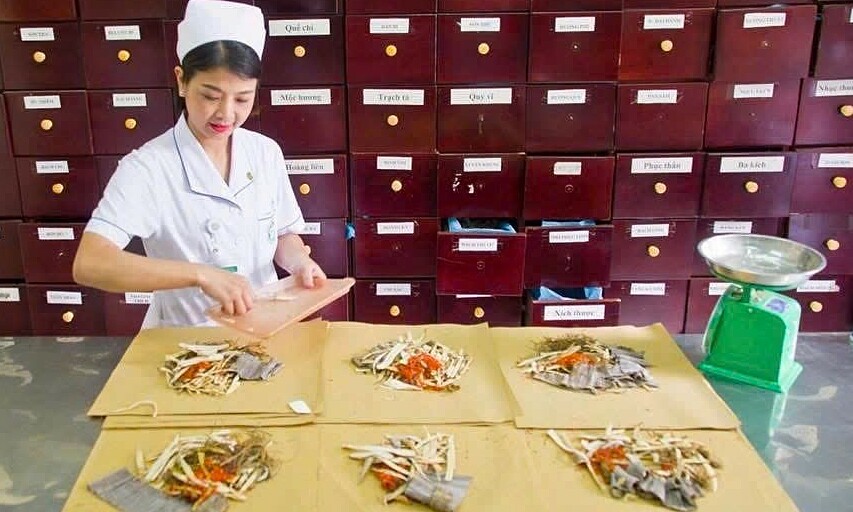 |
A traditional medicine doctor prepares medicine at Bach Mai Hospital. Photo: Nguyen Ha |
The Ministry of Health also proposes creating a separate list of 35 drugs combining pharmaceutical ingredients with herbal components for Health Insurance Fund coverage. These drugs may be reimbursed at varying rates, treatment scopes, and durations depending on the specific type. Drugs combining pharmaceutical ingredients with herbal components contain both modern medicine components (pharmaceutical ingredients) and traditional medicine components (herbal ingredients).
For instance, Ginkgo biloba (white fruit) is proposed for reimbursement in cases such as pain due to arteritis, visual disturbances from diabetic retinopathy, dizziness, tinnitus, hearing loss, and certain circulatory disorders.
Silymarin, an active compound extracted from milk thistle, is proposed for reimbursement at specialized and basic-level healthcare facilities. Curcumin, extracted from turmeric, is proposed for reimbursement in the treatment of non-hemorrhagic or non-perforating gastric and duodenal ulcers.
Some drugs have stricter regulations regarding reimbursement rates and durations. For Panax notoginseng saponins, a group of active compounds extracted from pseudo-ginseng, the Health Insurance Fund is expected to reimburse 50% at specialized and basic-level facilities in certain cases, such as the acute stroke phase, post-traumatic brain injury, or post-neurosurgery.
The draft also adds "injection" administration routes to the Health Insurance Fund's drug reimbursement regulations. These include intramuscular, subcutaneous, intradermal, intravenous, intravenous infusion, intra-articular, intraocular, intravitreal injections, injections into body cavities, and acupoint injections.
Deputy Minister of Health Vu Manh Ha noted that the traditional medicine examination and treatment network has continued to strengthen. Currently, there are 5 traditional medicine hospitals directly under the Ministry and other ministries/sectors, 61 provincial-level hospitals, and 10 private hospitals nationwide. Mr. Ha urged the health sector to comprehensively evaluate the current state of BHYT-covered traditional medicine and pharmaceuticals, continue to enhance professional quality, and improve the effective use of the Health Insurance Fund. Additionally, the sector needs to strengthen the integration of traditional and modern medicine to help patients access safer, more convenient, and effective services.
Beyond traditional medicine, the Ministry of Health also plans to issue a list of 84 new pharmaceuticals to be covered by BHYT, including 30 expensive cancer treatment drugs, to reduce the financial burden on patients.
Le Nga