According to the World Health Organization (WHO), adults should consume under 2,000 mg of sodium, which is equivalent to less than 5 g of salt per day. This total includes all salt present in foods, dishes, sauces, and seasonings used throughout the day, not just the amount added during cooking.
In Vietnam, the National Survey on Non-Communicable Disease Risk Factors (STEPS) in 2021 revealed that the average salt intake was approximately 8,1 g/person/day. While this marked a reduction from 9,4 g/person/day in 2015, it remains about 1,6 times higher than the recommended level.
Nguyen Thi Quynh, a nutritionist from the Department of Nutrition at Tam Anh General Hospital, Hanoi, explains that prolonged high salt intake leads to an excessive sodium load, causing the body to retain water. This increases pressure on blood vessels, the heart, and the kidneys. Such a habit can also negatively impact the stomach and bones.
High blood pressure
When sodium levels in the body rise, the body retains more water to maintain fluid balance. The increased circulating blood volume can heighten pressure on artery walls, leading to elevated blood pressure. If this condition persists, healthy individuals risk developing hypertension, while those already with high blood pressure may find it more challenging to manage their readings. Individual responses to sodium vary, but the risk is higher for the elderly, individuals who are overweight or obese, those with diabetes or kidney disease, or people with a family history of cardiovascular disease. Hypertension often progresses silently without clear symptoms. Therefore, regular checks are essential rather than waiting for headaches, dizziness, or other unusual signs before seeking medical attention.
Water retention, edema
After one or more salty meals, some people may experience thirst, bloating, slight swelling in the face or hands, tighter clothing or rings, and temporary weight gain. These can be signs of water retention due to high sodium intake. Water retention is often more pronounced in individuals with heart disease, kidney disease, liver disease, hypertension, or a sedentary lifestyle. However, edema is not always caused by salty food. Individuals who frequently experience edema, rapid weight gain over several days, reduced urination, fatigue, or shortness of breath should seek medical examination to determine the cause, rather than merely reducing salt intake at home.
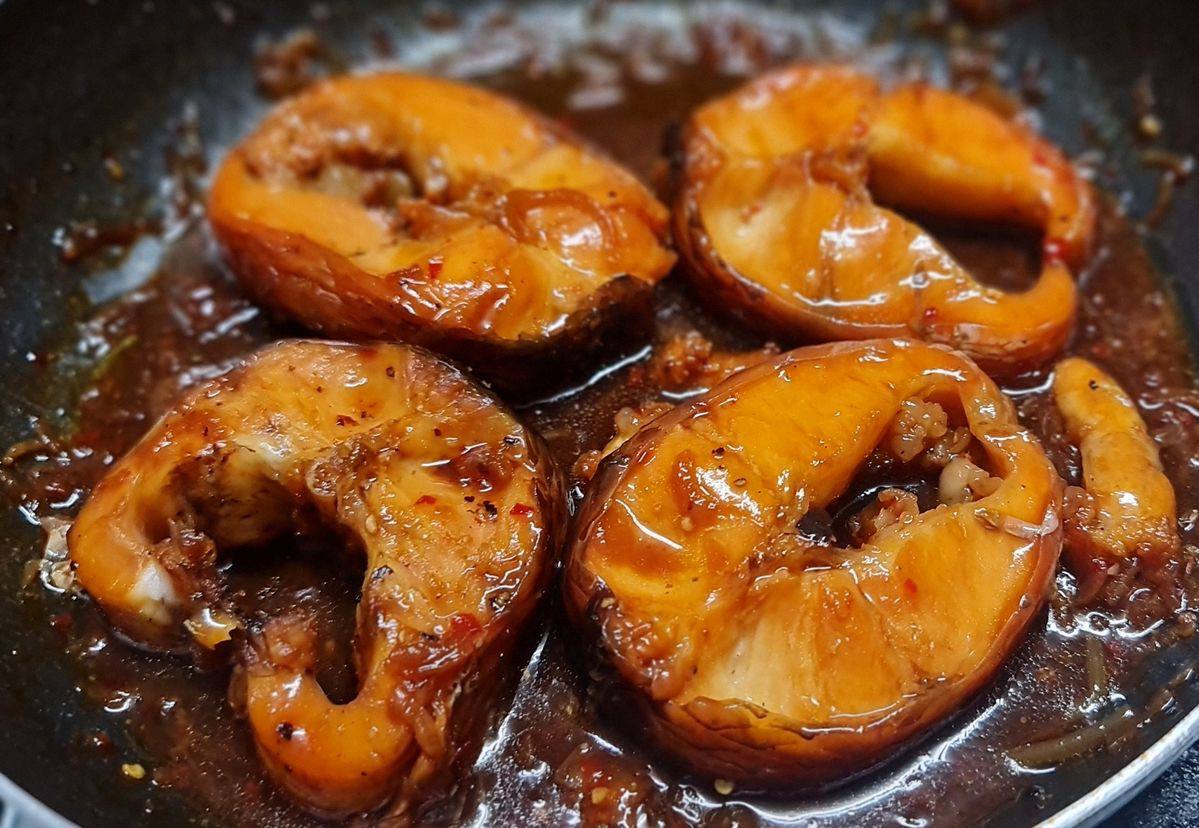 |
Braised dishes often contain a lot of salt. Photo: Hanh Nguyen |
Increased risk of cardiovascular disease, stroke
High sodium intake primarily increases cardiovascular risk through its impact on blood pressure. Persistently high blood pressure forces the heart to work under greater strain and damages blood vessel walls. Over time, this condition can heighten the risk of coronary artery disease, myocardial infarction, heart failure, and stroke.
Increased burden on kidneys
The kidneys play a crucial role in regulating sodium and water levels in the body. When a person consumes a lot of sodium, the body tends to retain water, and blood pressure may rise. Prolonged hypertension damages the small blood vessels within the kidneys, thereby impairing their blood filtration function. For individuals with chronic kidney disease, the ability to excrete sodium and water is often diminished. Patients with kidney disease must adhere to specific sodium or salt allowances prescribed by their doctor and nutritionist, tailored to their individual stage of illness.
Impact on stomach
A high-salt diet can also adversely affect the protective barrier of the stomach lining and interact with other risk factors, including Helicobacter pylori (H. pylori) bacterial infection.
Impact on bones
High sodium levels can increase calcium excretion through urine. This effect is particularly notable in individuals with calcium deficiency, vitamin D deficiency, a sedentary lifestyle, post-menopausal women, and the elderly. However, eating salty food is not the sole cause of osteoporosis. Bone health is also influenced by overall nutrition, physical activity, age, hormones, medication, and various other medical conditions.
To reduce salt intake, nutritionist Quynh recommends that people gradually reduce seasoning, limit dipping sauces, avoid excess broth in stews, pho, vermicelli, and noodles, and reduce instant noodles, salty snacks, canned goods, sausages, cold cuts, dried fish, and pickled vegetables. When purchasing packaged foods, consumers should read nutrition labels, paying attention to the sodium content (one g of sodium is equivalent to approximately 2,5 g of salt). If using salt in cooking, iodized salt should be prioritized, but the total amount used must still be controlled.
Individuals with hypertension, cardiovascular disease, kidney disease, liver disease, frequent edema, or those following a therapeutic diet require guidance from a nutritionist regarding appropriate salt intake. It is not advisable to completely eliminate salt or adopt overly restrictive diets on one's own.
Van Anh
| Readers can ask nutrition questions here for doctors to answer. |