On 17/7, Doctor Le Dinh Toan, Head of the Department of Neuro-resuscitation at Military Central Hospital 108, reported that a patient was admitted with worsening symptoms. A computed tomography scan of the brain confirmed he suffered a cerebellar infarction, caused by blocked blood vessels supplying the brain region that controls balance and motor coordination.
Following intensive treatment, the patient's condition stabilized, though he still experienced mild dizziness and a sense of unsteadiness. According to Doctor Toan, this is a common outcome after a cerebellar stroke, as the body requires time to adapt and reorganize functions when the balance regulation area is damaged. Feelings of instability or fear of falling can persist for several weeks to months.
Doctor Toan emphasized that dizziness, nausea, or loss of balance are typical signs of a cerebellar stroke, but these can be easily confused with common vestibular disorders. Medically, dizziness is categorized into two main groups of causes: peripheral and central vestibular syndromes.
 |
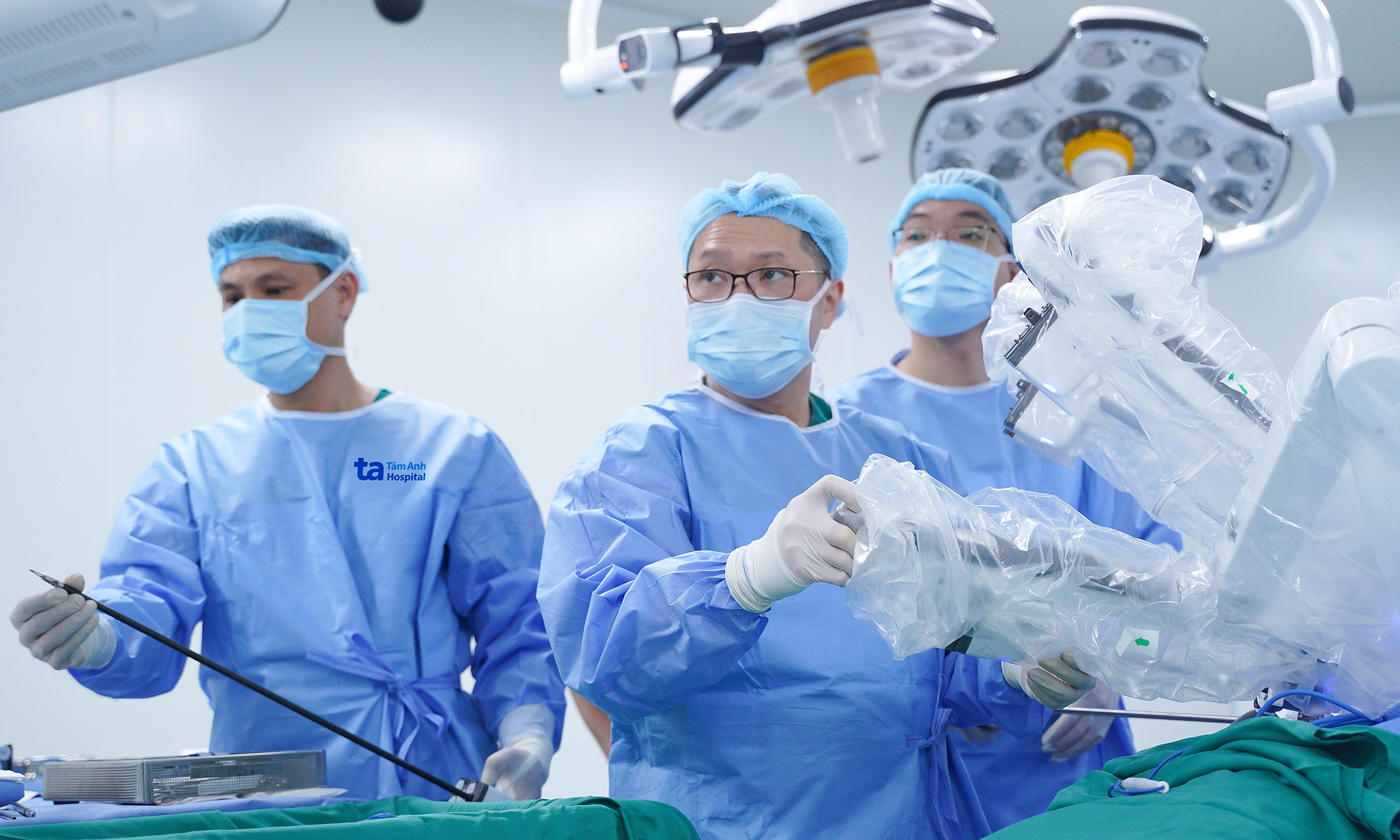
Examining and treating patients in the Department of Neuro-resuscitation, Hospital 108. *Photo: Hospital provided* |
Peripheral vestibular syndrome often results from damage to the inner ear or the vestibular nerve. Patients experience a sensation of spinning, tinnitus, hearing loss, and nausea. While highly uncomfortable, this condition is generally not life-threatening.
Conversely, central vestibular syndrome arises from damage to the brainstem or cerebellum. In addition to dizziness, patients frequently exhibit an unsteady gait, slurred speech, double vision, limb weakness, or a lack of motor coordination. These are dangerous warning signs that necessitate urgent medical examination, as they are directly linked to stroke.
To improve health after a stroke, doctors advise patients to adhere to their treatment protocol and strictly control risk factors such as hypertension, diabetes, and dyslipidemia. Consistently performing rehabilitation exercises under the guidance of medical professionals will help the brain adapt better, thereby improving balance.
Experts advise the public not to be complacent if dizziness appears suddenly or persists. Early detection and timely intervention play a decisive role in reducing complications, facilitating rapid recovery, and improving the patient's quality of life.
Le Nga