Upon admission, the patient was in critical condition. Diagnostic imaging revealed he had sustained a traumatic brain injury, a fractured right pelvis, and multiple rib fractures. Displaced rib fragments had punctured his lung tissue, leading to pneumothorax, hemothorax, and lung collapse. His face also suffered severe damage, including fractures of the right zygoma and zygomatic arch.
Immediately following admission, a multidisciplinary medical board convened to devise a comprehensive emergency treatment strategy. Doctors prioritized addressing life-threatening injuries to stabilize the patient's condition, preparing him for major maxillofacial reconstructive surgery.
Once the patient's vital signs were stable, the Department of Odonto-Stomatology conducted a detailed assessment. At this point, the patient's face was imbalanced, with limited mouth opening and severe impairment of chewing function due to a complex fracture of the right zygomaticomaxillary complex.
Associate Professor, Doctor Nguyen Xuan Thuc, Deputy Head of the Department of Odonto-Stomatology, noted that zygomatic complex fractures are common after severe impacts. He emphasized that without timely and precise surgical intervention, patients risk permanent facial disfigurement. For this multi-trauma case, selecting the optimal time for surgery was crucial for both patient safety and the aesthetic outcome.
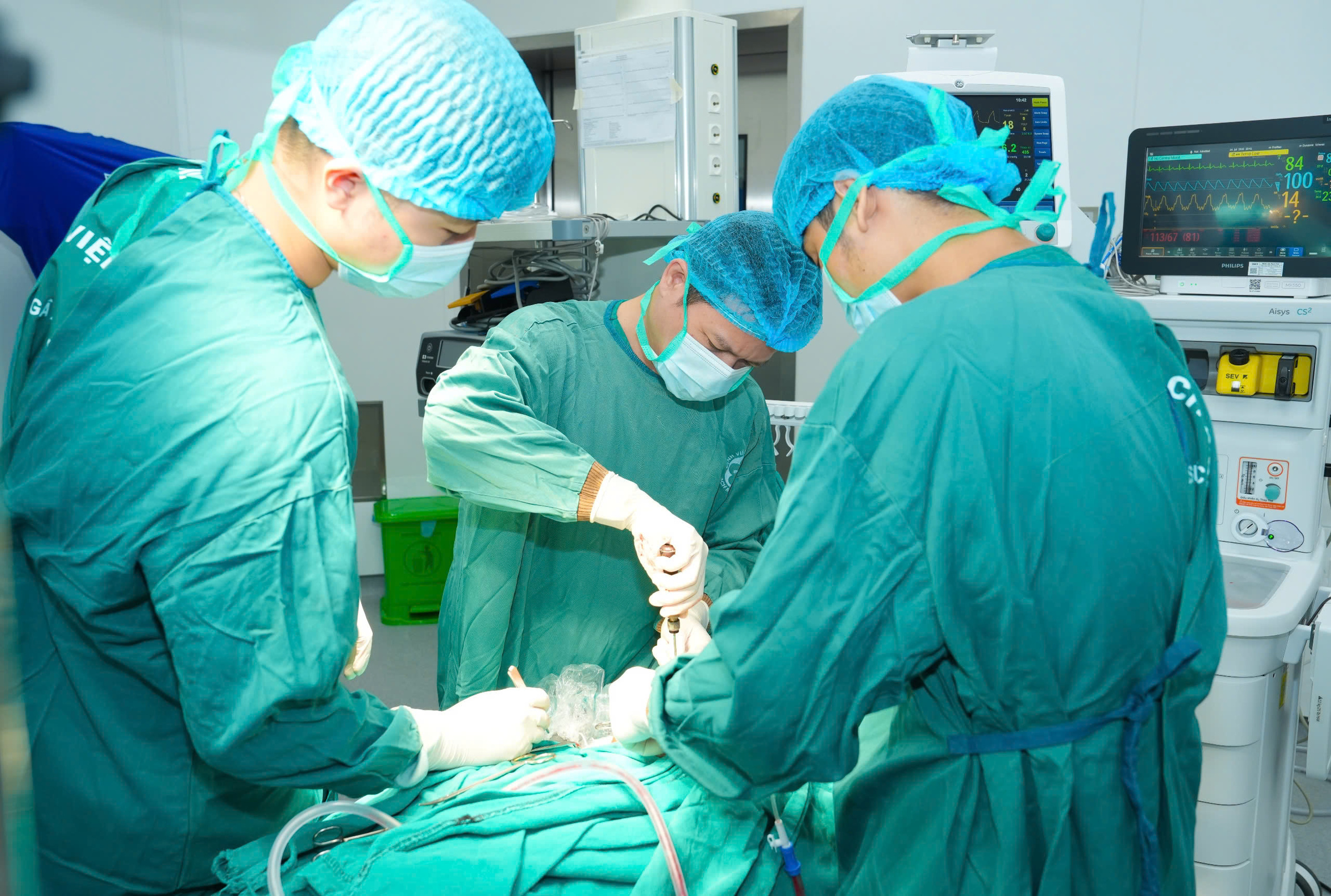 |
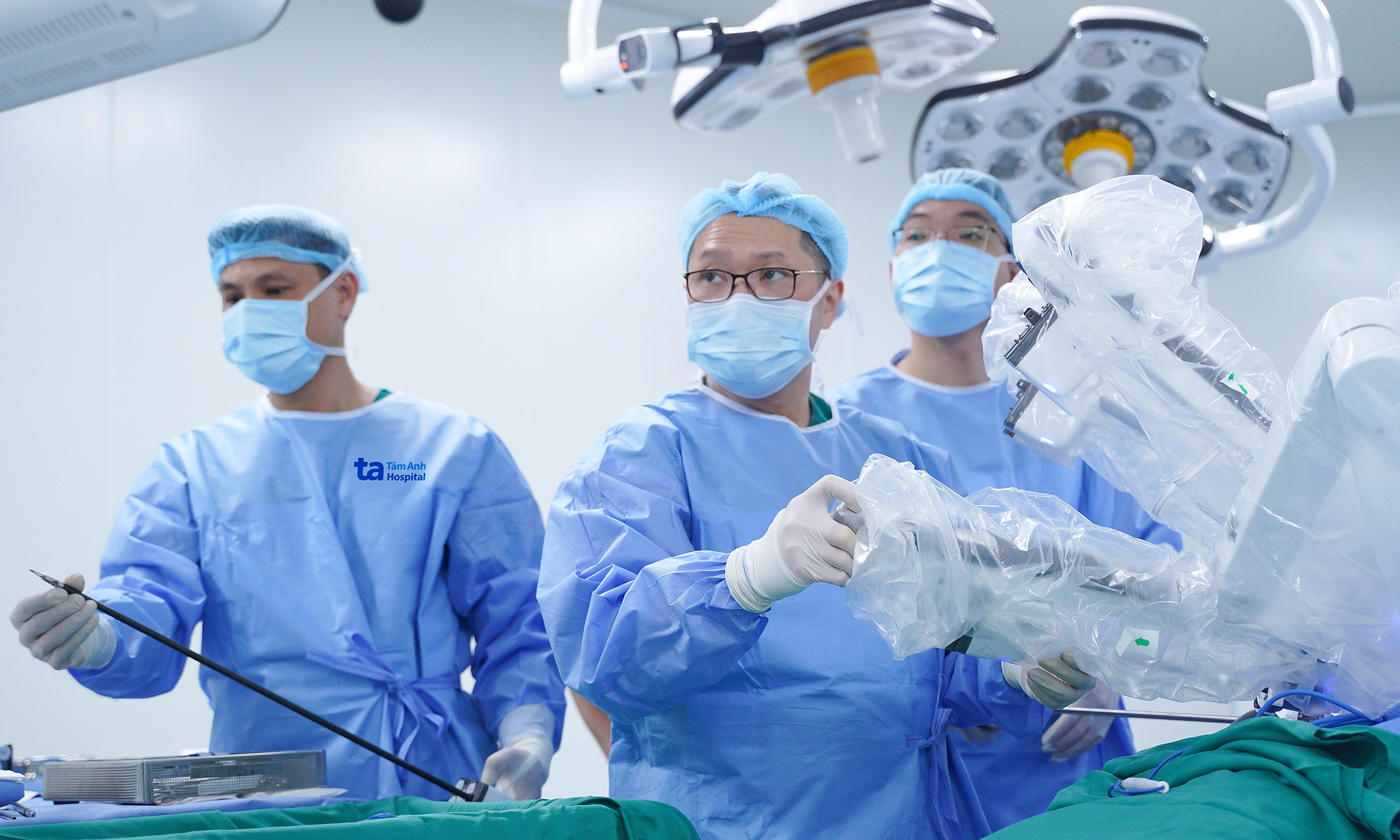
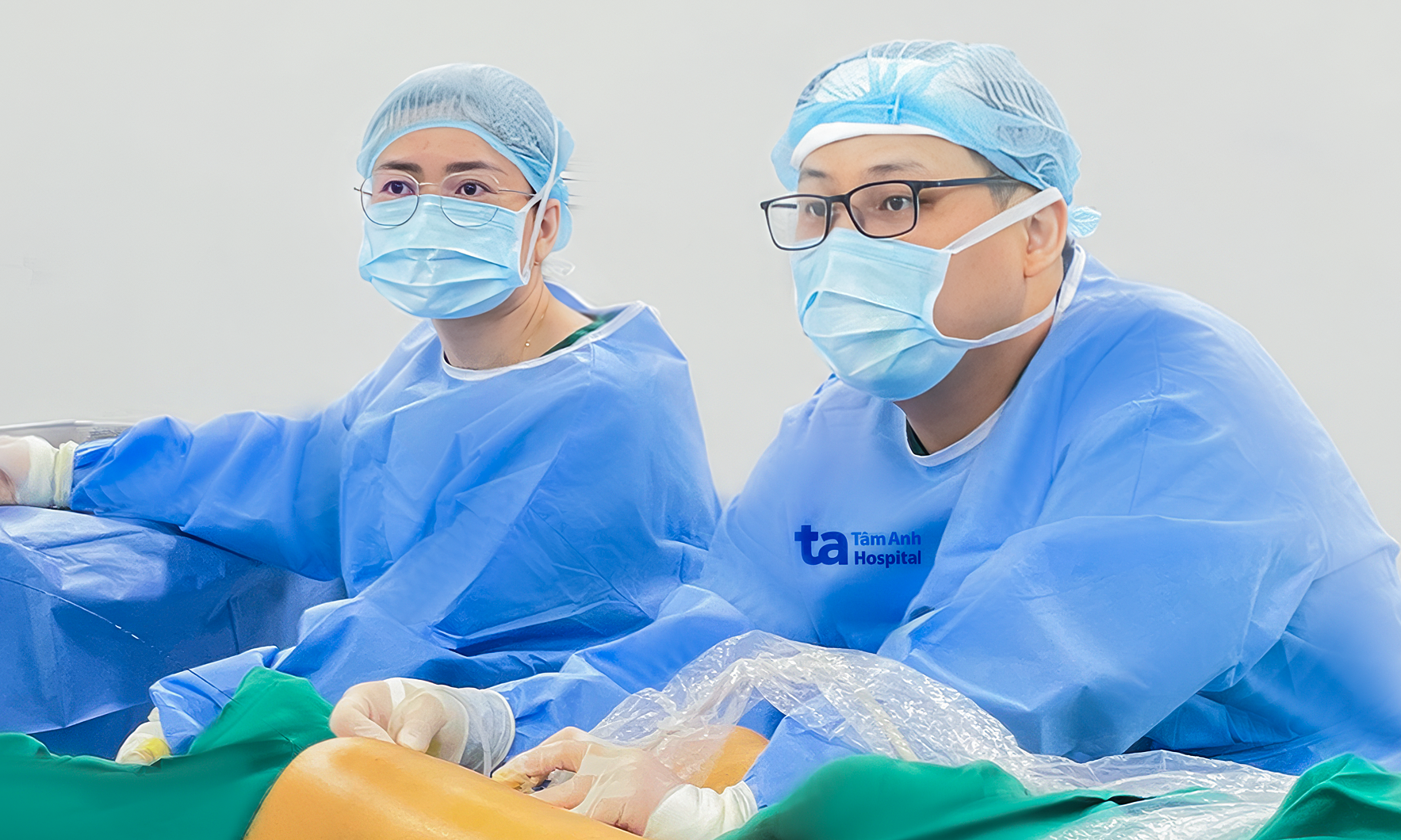
The surgical team operating on the patient. Photo: Thanh Duong |
The surgical team used an alloy plate and screw system to realign the fractured bone fragments to their correct anatomical positions. This fixation restored the structure of the zygoma and zygomatic arch, thereby reconstructing the patient's facial form and fundamental functions.
Following the operation, the patient's health improved steadily. His face gradually regained symmetry, his bite stabilized, and his mouth opening function significantly improved. The patient is currently continuing rehabilitation exercises according to a prescribed regimen to return to normal activities as soon as possible.
According to Associate Professor Thuc, the case's success underscores the importance of seamless multidisciplinary coordination. The comprehensive assessment and precise timing of intervention were instrumental in helping the patient overcome a critical condition and achieve optimal recovery.
Le Nga