For individuals managing gallstones while aiming for weight loss, a balanced diet focusing on fiber, lean protein, and healthy fats is crucial, according to Doctor Vo Tran Nhu Thao from the Endocrinology - Diabetes Unit at Tam Anh General Clinic, District 7. This approach helps prevent gallstone formation and alleviates symptoms like bloating and indigestion.
Gallstones primarily form when there is an imbalance in bile's main components: cholesterol and bile acids. While bile acids normally break down cholesterol, a high-fat diet can cause the liver to produce excess cholesterol. This surplus cholesterol clumps into crystals, leading to gallstone development. Therefore, dietary adjustments are essential for managing the condition and supporting weight loss.
To promote weight loss and reduce inflammation, increase your intake of fiber-rich foods. Incorporate green vegetables, fruits, and whole grains into your daily meals. Fiber binds with bile in the stomach, adheres to cholesterol, and enhances food transit through the intestines, which in turn decreases secondary bile acid production.
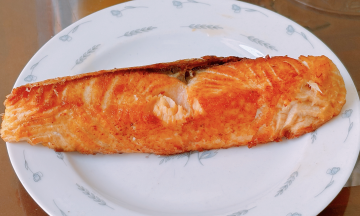
Prioritize lean protein sources to support your weight loss goals without overstimulating the gallbladder. Excellent choices include chicken breast, lean meat, skinless poultry, and fish. While red meat and animal dairy are protein-rich, their high-fat content can cause the gallbladder to work excessively.
Individuals with gallstones should avoid certain foods that can worsen symptoms and hinder weight loss. These include fried foods, animal fat, chicken skin, fatty meat, organ meats, sweets, and alcoholic beverages. Such items are high in fat and calories, increase cholesterol levels, and stimulate gallbladder contractions.
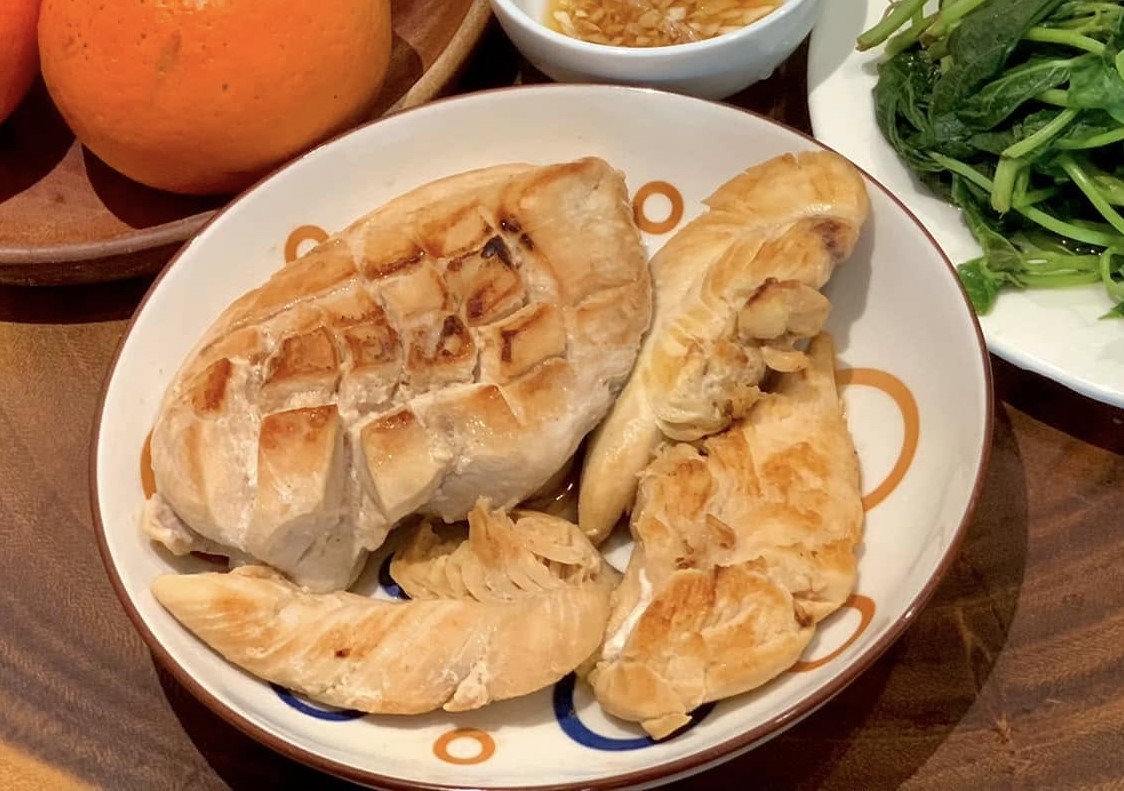 |
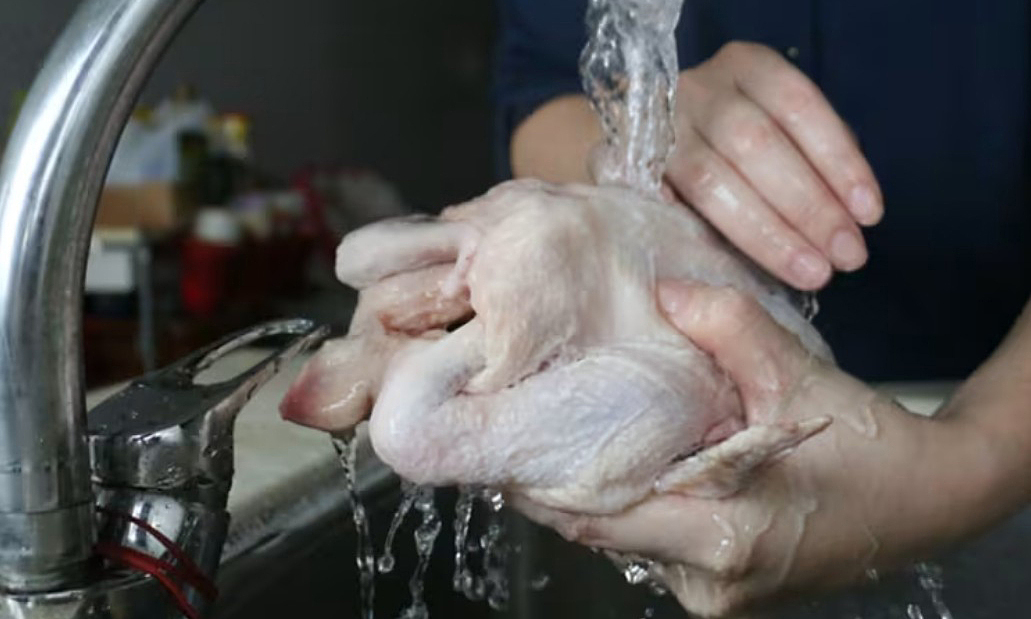
Prioritize lean chicken breast to limit cholesterol accumulation in the gallbladder and support weight loss. Photo: Duc Hanh
However, it is important not to eliminate fat entirely from your diet. A complete lack of fat can lead to a deficiency, causing bile stasis and increasing the risk of new gallstone formation. Instead, incorporate healthy fat sources such as avocados, walnuts, olive oil, sunflower oil, and sesame oil. Aim for about 20-30% of your total daily energy intake from fats.
Adequate hydration is also key. Drinking 1,5-2 liters of water daily helps thin the bile, reducing bile stasis that can lead to cholesterol polyps or associated gallstones. Spreading water intake throughout the day also supports stable digestion and lessens bloating caused by excess bile in the intestines.
Maintain regular eating habits by consuming meals at consistent times, dividing them into smaller portions, and avoiding skipping meals. This helps prevent sudden gallbladder contractions. Opt for low-fat cooking methods like steaming, boiling, and light braising, and limit frying for easier digestion.
Doctor Vo Tran Nhu Thao
Endocrinology - Diabetes Unit
Tam Anh General Clinic, District 7
| Readers can submit questions about endocrine diseases here for a doctor's response. |