Doctors in South Korea predicted the pregnant woman was at risk of premature birth, and the infants would need incubator care. She returned to Vietnam, where Doctor Ngo Thi Huong, from the Fetal Intervention Center at Hanoi Obstetrics and Gynecology Hospital, noted that natural triplet pregnancies like hers are rare. In this case, two fetuses sharing a placenta developed stage II twin-to-twin transfusion syndrome (TTTS), a severe complication that could threaten their lives if not treated promptly.
Twin-to-twin transfusion syndrome (TTTS) is a condition that occurs during pregnancy when a woman carries identical twins who share a placenta but have separate amniotic sacs. This is a serious prenatal complication. The Twin-to-Twin Transfusion Syndrome Foundation in the US notes that this syndrome affects about 15% of monochorionic twin pregnancies.
The situation was further complicated as one fetus showed severe oligohydramnios, no visible bladder, and minimal movement, while the other had polyhydramnios due to receiving too much blood. Additionally, the pregnant woman had uterine fibroids, adding to the challenges of the intervention.
Doctors decided to perform fetal laser surgery to coagulate the vascular connections between the two fetuses. However, challenges arose due to the very early gestational age (16 weeks) and a large anterior placenta, which could easily cause bleeding or stimulate uterine contractions, leading to miscarriage.
Fortunately, after the intervention, both fetuses developed well, their condition improved, amniotic fluid gradually increased, and the bladder of the oligohydramniotic fetus was clearly visible on ultrasound. The fetuses moved well, developed stably, and showed no signs of bleeding or placental abruption.
The pregnant woman recovered well, experienced little pain after the procedure, and could engage in light activity. Currently, the mother and her three babies are stable.
"For triplet pregnancies with transfusion syndrome, close monitoring and timely intervention are crucial factors in saving the fetuses", the doctor stated. The success rate for maintaining the pregnancy after intervention in such cases can reach 70-80%, but close monitoring throughout the pregnancy is essential.
 |
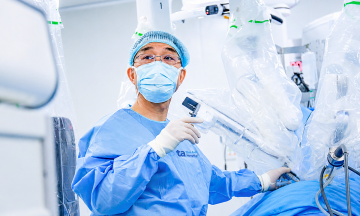
The pregnant woman and doctors discuss before fetal intervention. *Photo: Hospital provided*. |
Natural triplet pregnancies are rare, with world medical literature reporting an incidence of 1 in 8,000 births. Mothers carrying triplets are more prone to dangerous obstetric complications than normal pregnancies, such as miscarriage, premature birth, abnormal presentation, umbilical cord prolapse, gestational diabetes, hypertension, and pre-eclampsia. Pregnant women often require caesarean sections and are at higher risk of uterine atony and postpartum hemorrhage.
Doctors recommend that women with multiple pregnancies (twins, triplets, or more) undergo regular check-ups and close monitoring of their pregnancy to allow for timely diagnosis of abnormalities and prompt intervention, protecting both mother and children.
Thuy An