Walking for a few minutes after meals can significantly help manage blood sugar levels. According to Times of India, blood sugar begins to rise after eating, especially meals rich in carbohydrates. While insulin helps control this increase in individuals, those with type 2 diabetes or prediabetes often have a slower insulin response. This leads to prolonged high blood sugar, which increases the risk of nerve damage, blood vessel damage, and harm to other organs.
Engaging in physical activity, such as walking, can mitigate post-meal blood sugar spikes. During exercise, muscles contract and actively use glucose from the bloodstream for energy, contributing to blood sugar stability. For beginners, setting a reminder approximately 15 minutes after a meal can help establish a regular habit. It is advisable to walk at a comfortable pace, allowing for conversation, and to choose open spaces like parks or neighborhood streets.
Thoroughly chewing food is another effective strategy. Eating too quickly can contribute to elevated blood sugar levels. Individuals should chew slowly and meticulously until food is finely ground. This aids digestion, enhances nutrient absorption, and stimulates satiety hormones, signaling fullness. The habit of thorough chewing also helps the body regulate insulin response more effectively, preventing sudden post-meal blood sugar surges. Additionally, this mindful eating approach promotes clearer recognition of hunger and fullness cues, thereby reducing the risk of overeating.
The sequence of food consumption during a meal significantly impacts post-meal blood sugar. Eating non-starchy vegetables, such as spinach, broccoli, or zucchini, before carbohydrates can slow down the digestive process and delay glucose absorption into the bloodstream. Similarly, incorporating protein or healthy fats before consuming carbohydrates offers comparable benefits, increasing satiety and supporting weight management, which is a crucial factor in stabilizing type 2 diabetes.
Timing carbohydrate intake strategically is also important for diabetes management. According to WebMD, consuming the majority of carbohydrates earlier in the day aligns better with the body's circadian rhythm, thereby supporting more effective blood sugar control. Carbohydrate-rich meals in the morning help the body utilize glucose more efficiently, reducing the risk of evening blood sugar spikes.
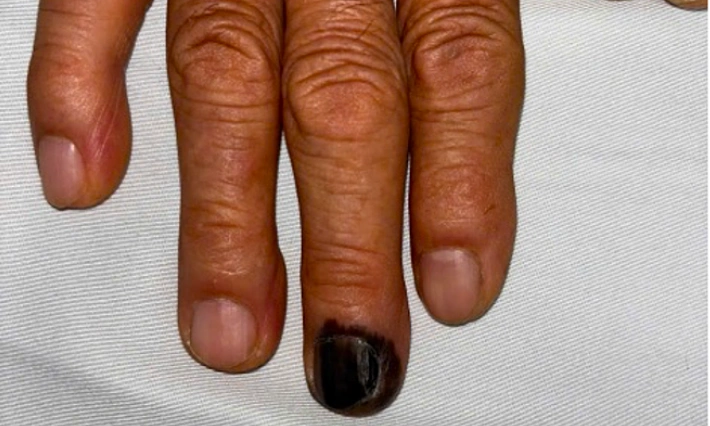
Regular blood sugar monitoring is essential to limit the risk of complications such as kidney failure, nerve damage, stroke, and myocardial infarction.
By Le Nguyen