 |
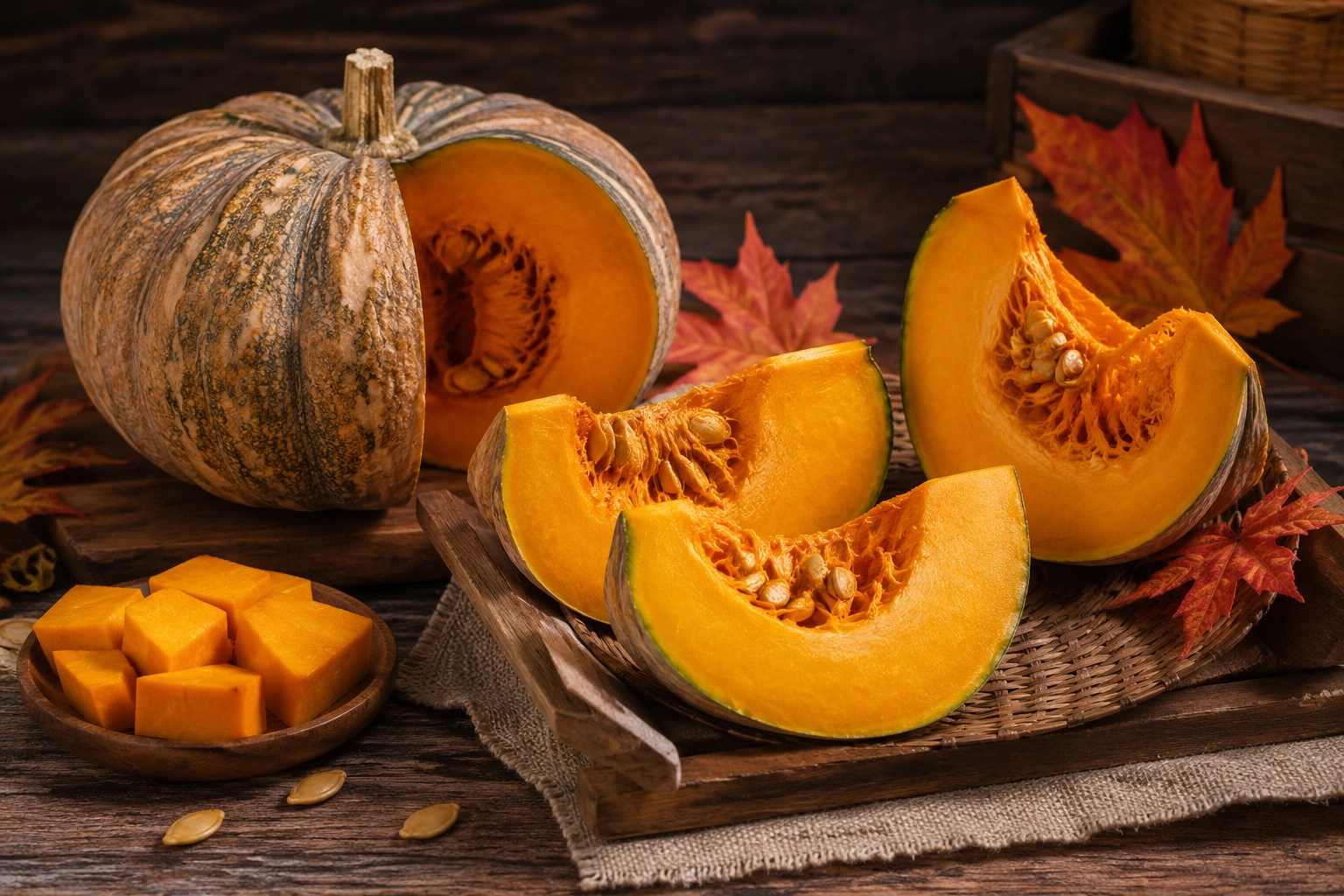
Pumpkin is rich in beta-carotene, which the body converts into vitamin A to support retinal function, especially in low-light conditions. This vegetable also contains lutein and zeaxanthin, two antioxidants concentrated in the macula that help protect eyes from blue light and free radical damage. |
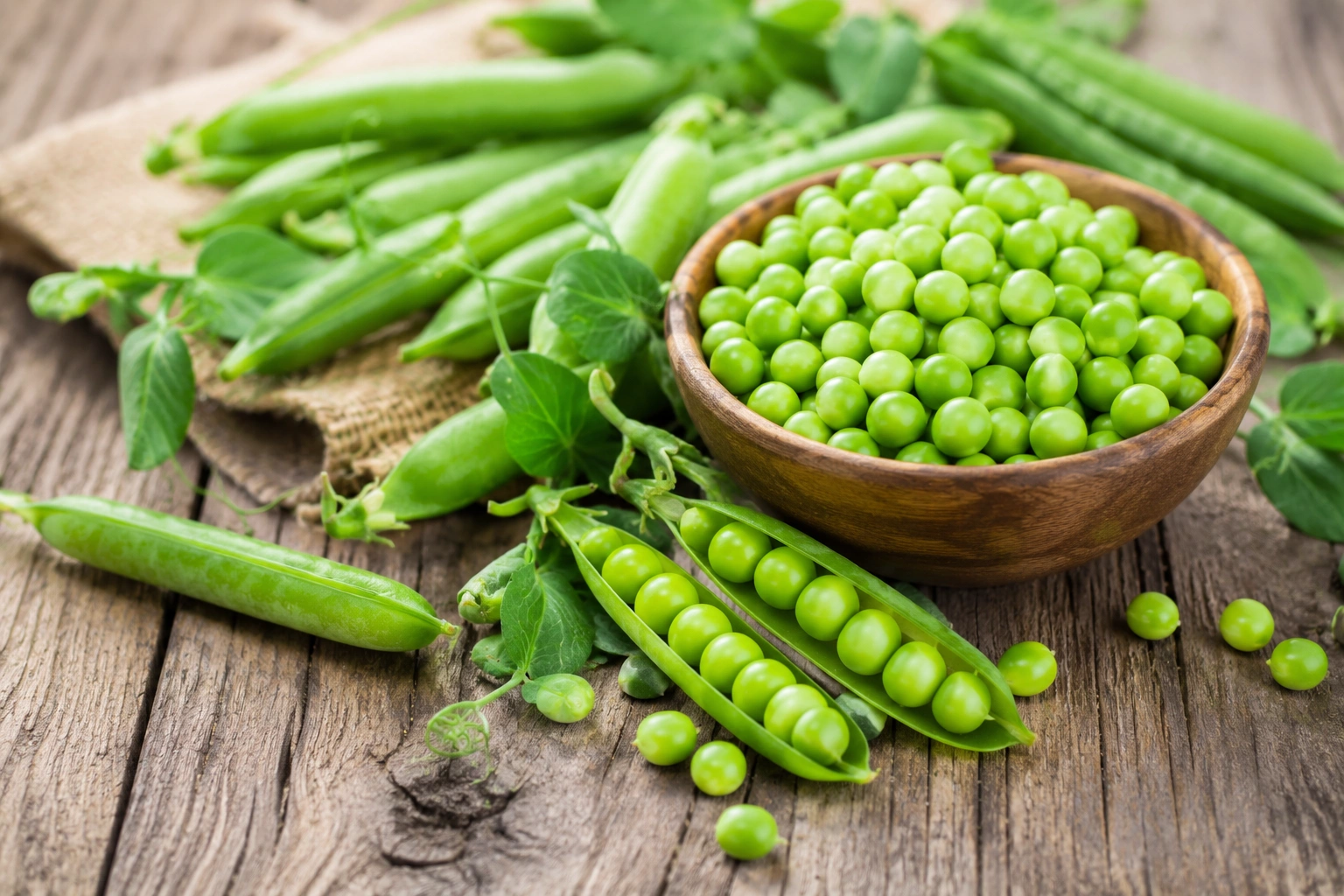 |
Peas are rich in lutein and zeaxanthin. These nutrients act as natural "filters" for the eyes, reducing retinal damage from UV rays and blue light. Vitamin C in peas also helps protect the small blood vessels in the eyes. |
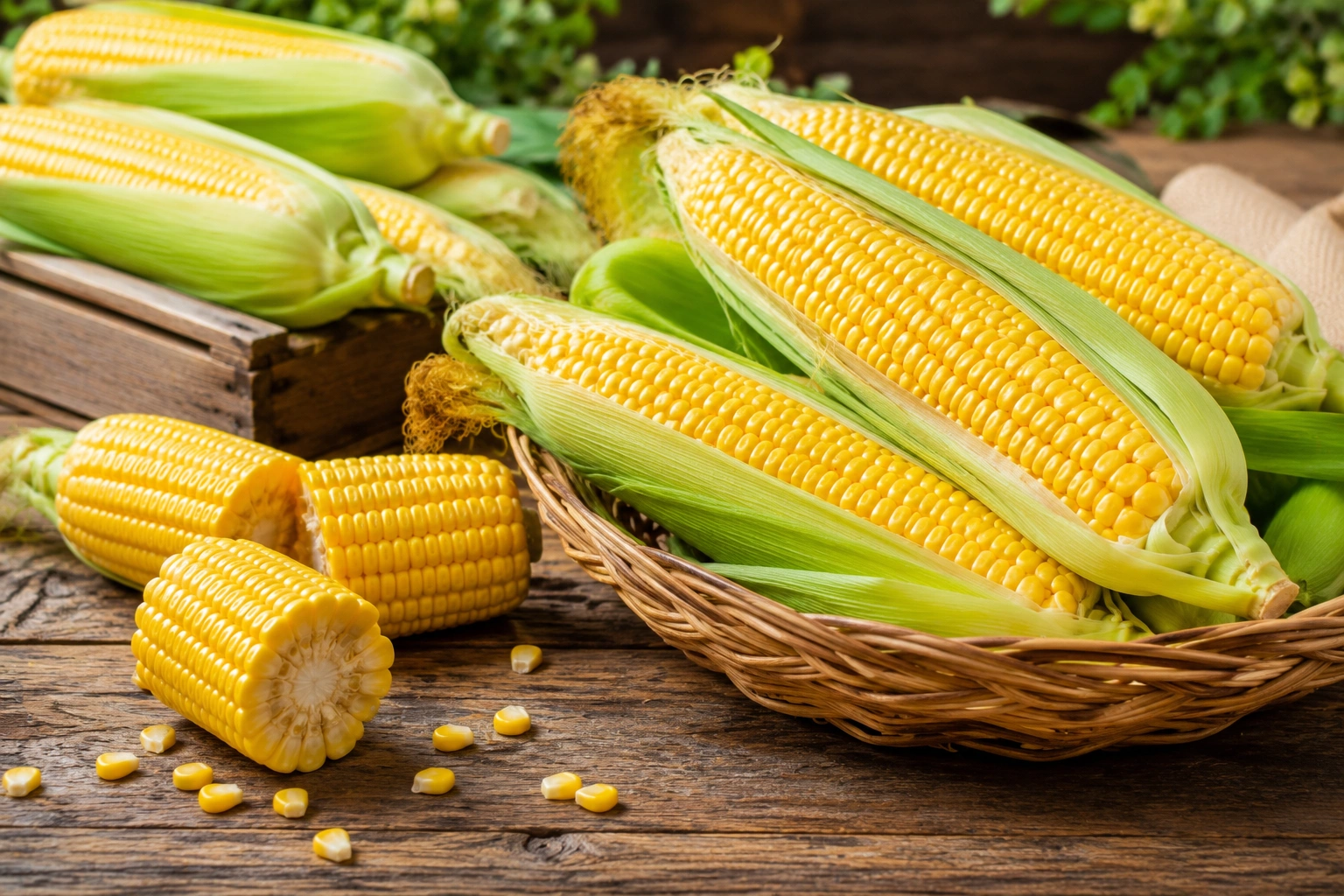 |
Yellow corn is also rich in zeaxanthin and lutein, which contribute to maintaining macular pigment density and are linked to a reduced risk of age-related macular degeneration. Experts recommend eating whole corn instead of products processed with excessive sugar or salt. |
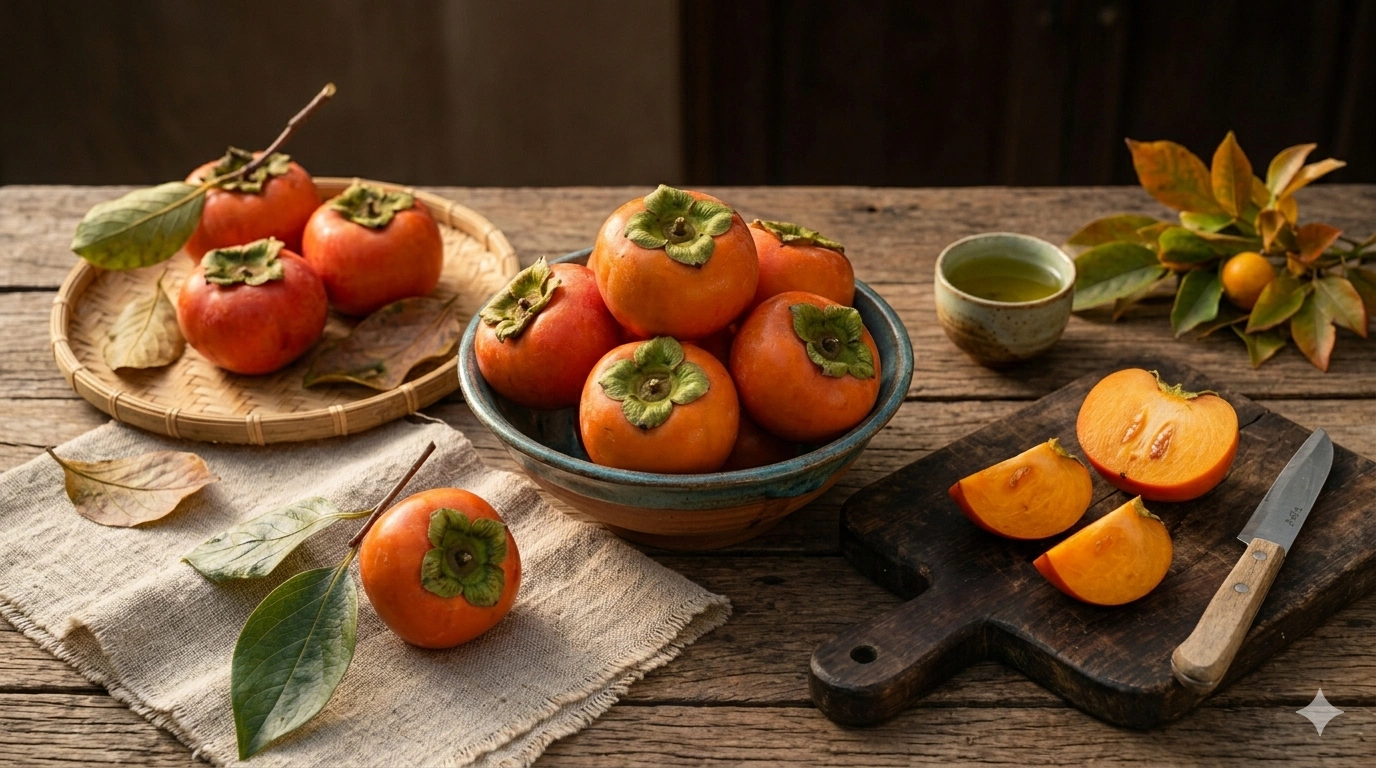 |
Persimmons are rich in not only zeaxanthin but also vitamins A and C, nutrients that support cornea and retina protection. Their antioxidant properties mean that regular consumption can help limit eye cell damage from aging. |
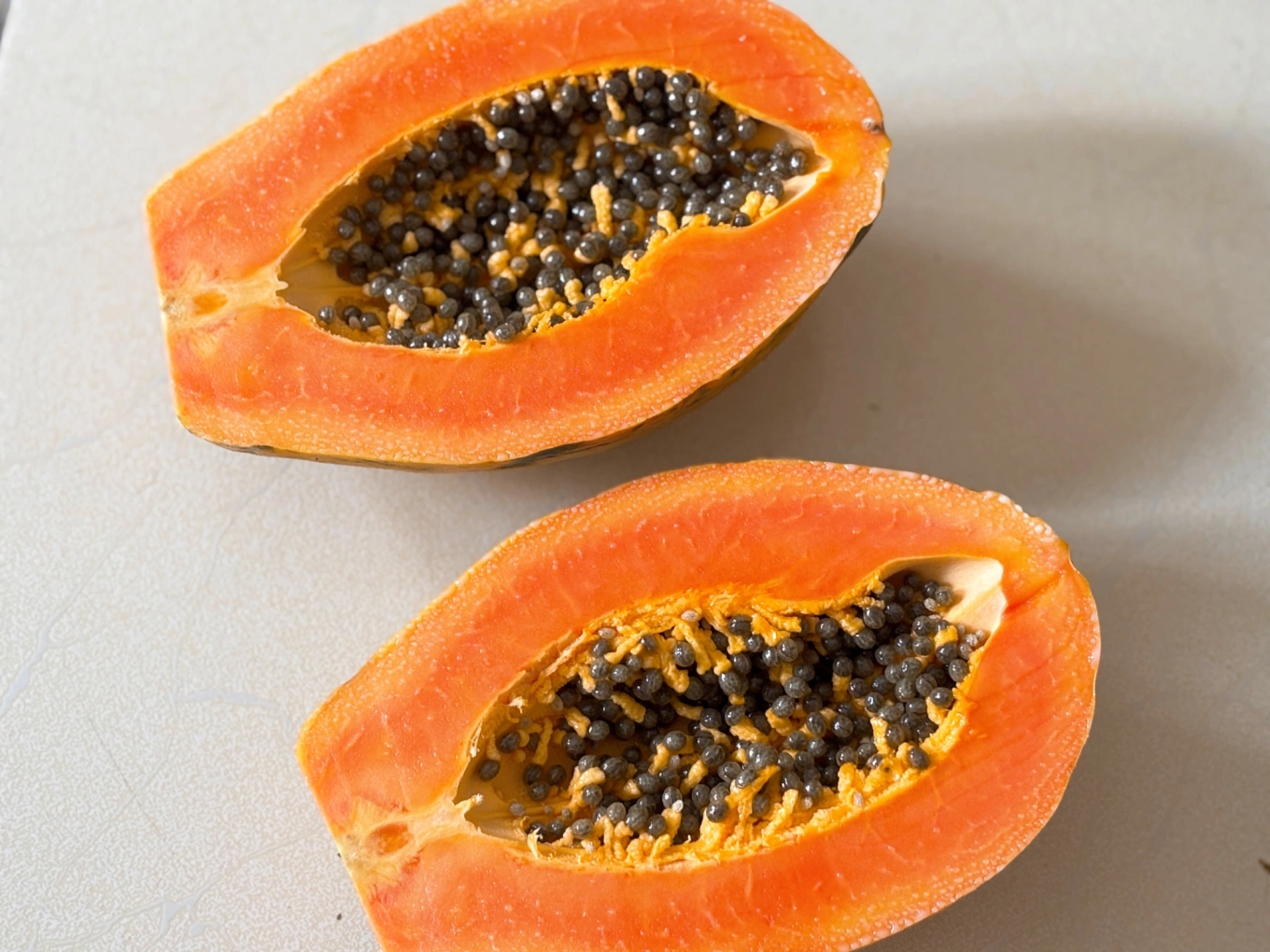 |
Papaya contains abundant vitamin C and beta-carotene, which can protect eye cells from oxidative stress. Lutein and zeaxanthin help maintain a healthy macula. Regularly eating papaya can also reduce dry eyes and support vision in older age. |
Bao Bao (Compiled)
Photos: Bao Bao, AI