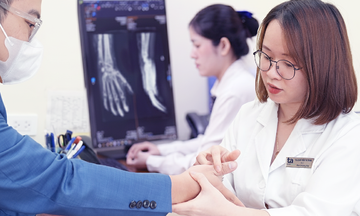
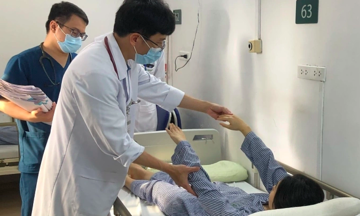
Last month, experiencing excessive vaginal discharge, a foul odor, itching, burning, and lower abdominal pain, Lam sought medical attention. She was diagnosed with cervical ectropion and prescribed medication and antibiotics. The doctor also advised her to undergo HPV testing and cervical cancer screening for early detection and treatment of precancerous lesions. Her results showed simultaneous infection with four high-risk HPV strains, but no abnormal cervical cells were detected.
Despite the doctor's reassurances to monitor for abnormal signs, undergo regular cervical cancer screenings, and boost her immune system to aid virus clearance, Lam remained anxious. She feared the virus might silently progress to cervical cancer, preventing her from having children and fulfilling her role as a mother.
 |
Multiple HPV infections are often linked to unsafe sexual practices or having multiple partners. *Photo: Vecteezy*
Thao My, 25, from Hung Thuan commune, Tay Ninh, also discovered she was infected with seven HPV strains—16, 26, 53, 67, 70, 73, and 82—simultaneously during a gynecological check-up. Her symptoms included recurrent itching and burning in the vaginal area, along with foul-smelling discharge. Her doctor warned that among the strains she carried, type 16 posed a high risk for causing cancer. Thao My is currently receiving the HPV vaccine to prevent infection from other virus types. She is also focusing on a healthy lifestyle, adequate nutrition, increased physical activity, stress avoidance, and regular cancer screenings.
According to Doctor Mai Ha Thanh, Chief Doctor at VNVC Dien Bien Phu Center, TP HCM, simultaneous infection with multiple HPV strains is common, with some cases involving up to 9 types, many of which are high-risk.
The World Health Organization (WHO) states that HPV has over 200 types, with more than 40 causing disease in the genital, anal, oral, and throat areas. The body can naturally clear the virus; however, individuals with multiple sexual partners, unsafe sexual practices, or weakened immune systems are more susceptible to multiple infections and may find it harder to clear the virus.
HPV often causes no symptoms. However, persistent infection with high-risk types can lead to cellular changes and cancers such as those of the cervix, oropharynx, anus, and vulva. Patients should avoid alcohol and stimulants, maintain personal hygiene, practice safe sex, eat nutritious foods, get enough sleep, and undergo regular cancer screenings.
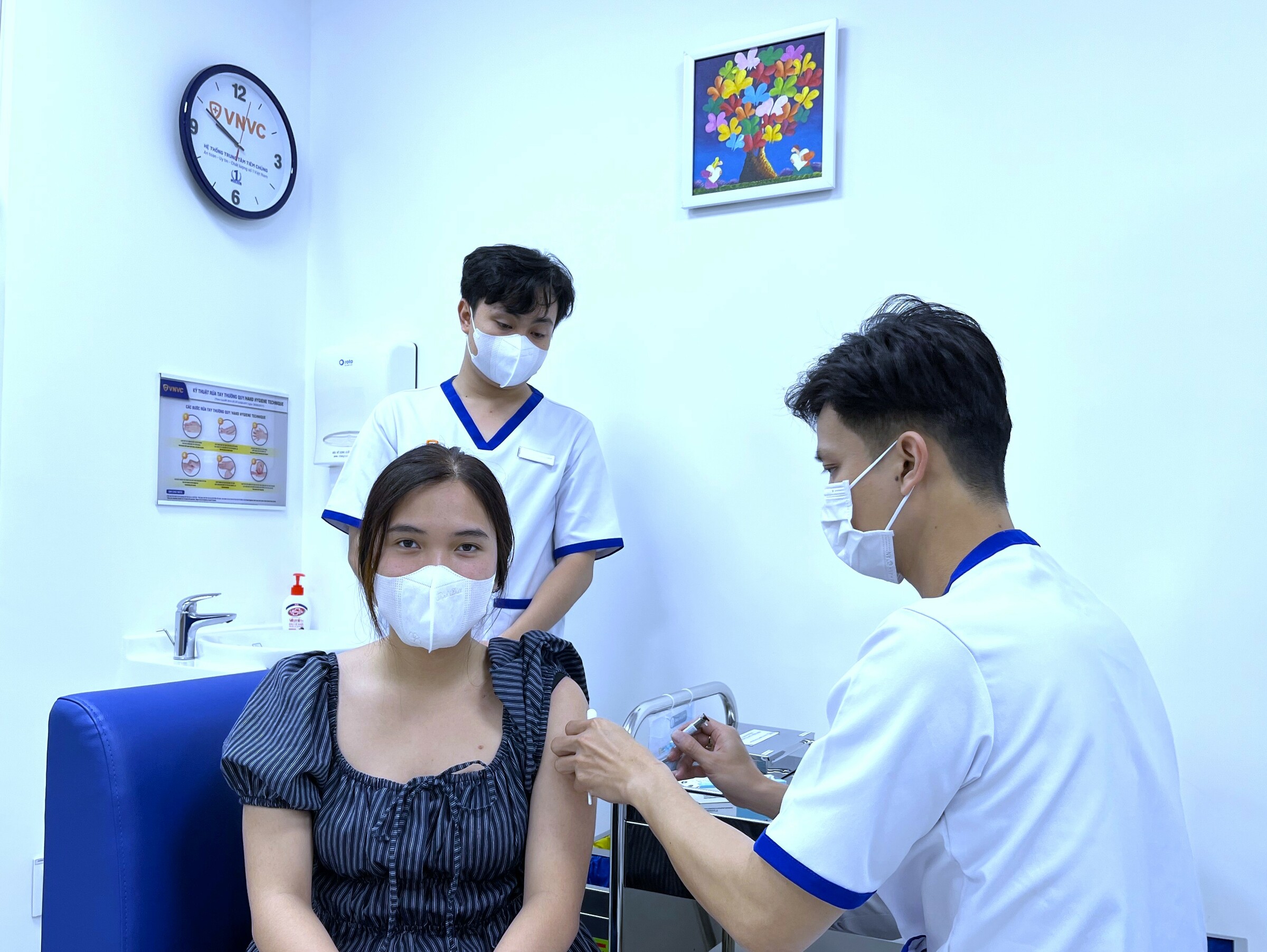 |
A girl receives an HPV vaccine at VNVC Dien Bien Phu Center, Gia Dinh ward, TP HCM. *Photo: Dieu Thuan*
Individuals already infected with multiple HPV virus strains can still receive the vaccine to prevent other types. The HPV vaccine helps protect the body from the risk of infection with other strains and reduces the risk of reinfection with current strains, as well as related complications.
Vietnam currently offers two HPV vaccines: Gardasil and Gardasil 9. Gardasil protects against four types (6, 11, 16, 18) and is indicated for females aged 9-26. Females aged 9 to under 14 require two doses of the Gardasil vaccine, 6-12 months apart. Those aged 14-26 receive three doses.
Gardasil 9 protects against nine types (6, 11, 16, 18, 31, 33, 45, 52, and 58) and is indicated for males and females aged 9-45, offering over 90% protective efficacy. The vaccination schedule for individuals aged 9 to under 15 consists of two doses, 6-12 months apart. Those aged 15-45 receive three doses within 6 months.
Phuc An