 |
Vegetable oils from canola, flaxseed, and soybean contain about 7,300 mg of ALA in one tablespoon. This rich amount of omega-3 helps relax the brain and improve sleep quality. Flaxseed oil and chia oil are heat-sensitive, so use them in salad dressings, smoothies, or drizzled over cooked foods, avoiding high-temperature frying or sauteing. |
Omega-3 fatty acids are essential polyunsaturated fats that the body cannot produce on its own. They play a crucial role in supporting cardiovascular health, brain function, reducing inflammation, and regulating sleep.
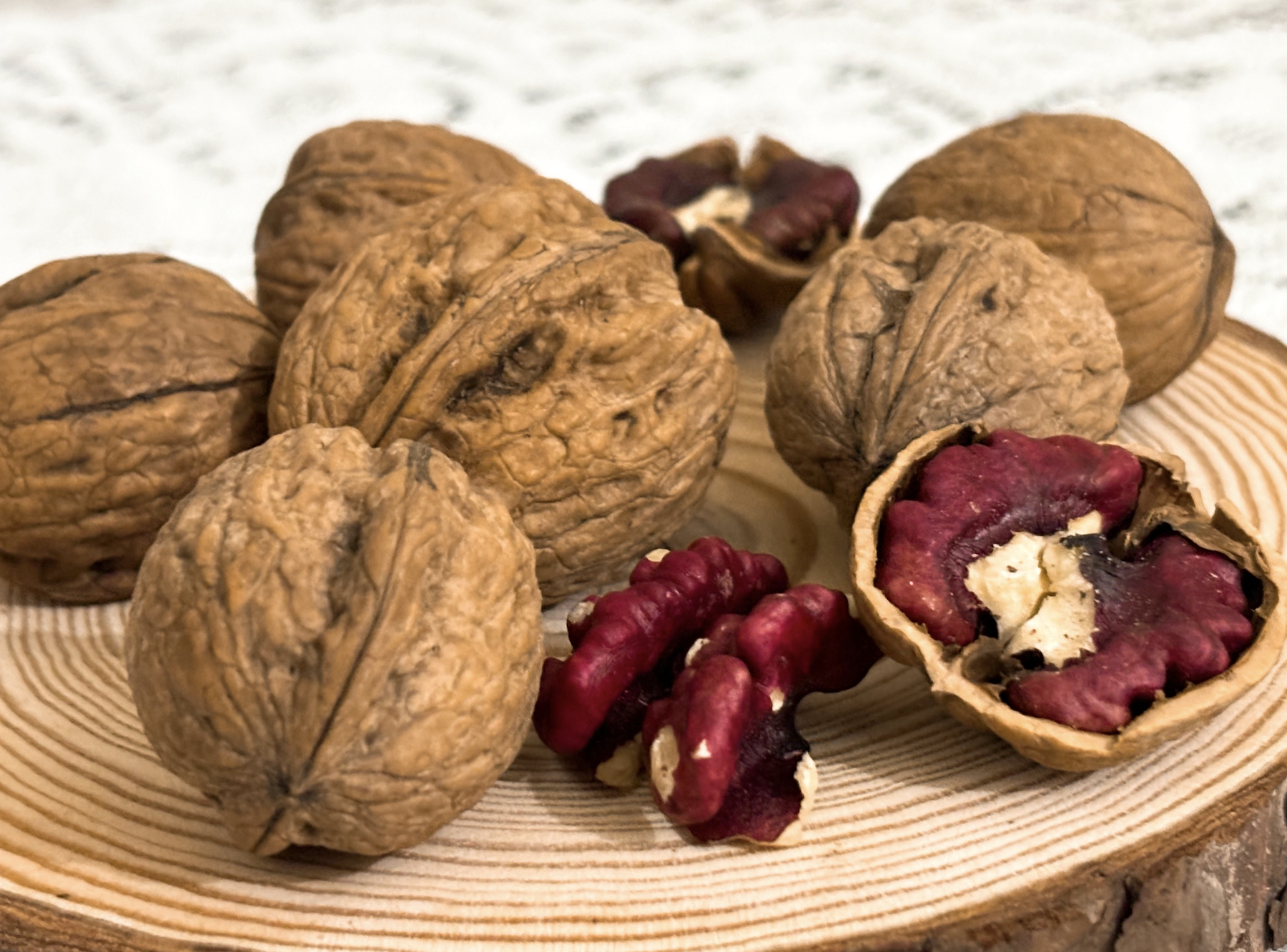
Walnuts contain about 2,570 mg of alpha-linolenic acid (ALA) in a small handful, providing omega-3s that boost memory and improve sleep. Regular consumption of walnuts also lowers total cholesterol, LDL, and triglycerides. Powerful antioxidants like ellagitannins soothe oxidative stress and inflammation, factors that can disrupt sleep.
 |
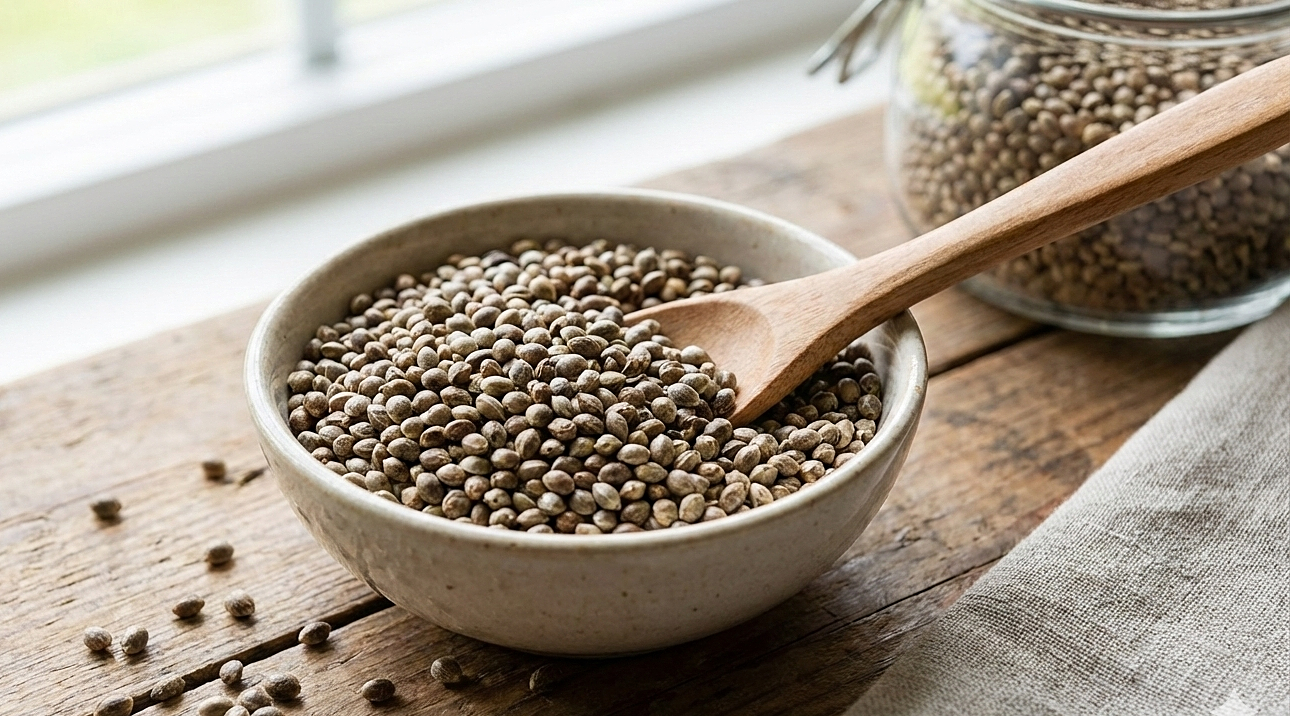
Hemp seeds contain about 2,600 mg of ALA in three tablespoons. These seeds offer a balanced ratio of omega-6 and omega-3 fats, which can reduce inflammation. Hemp seeds are rich in fiber, plant protein, vitamin E, and minerals like magnesium, all supporting better sleep. |
 |
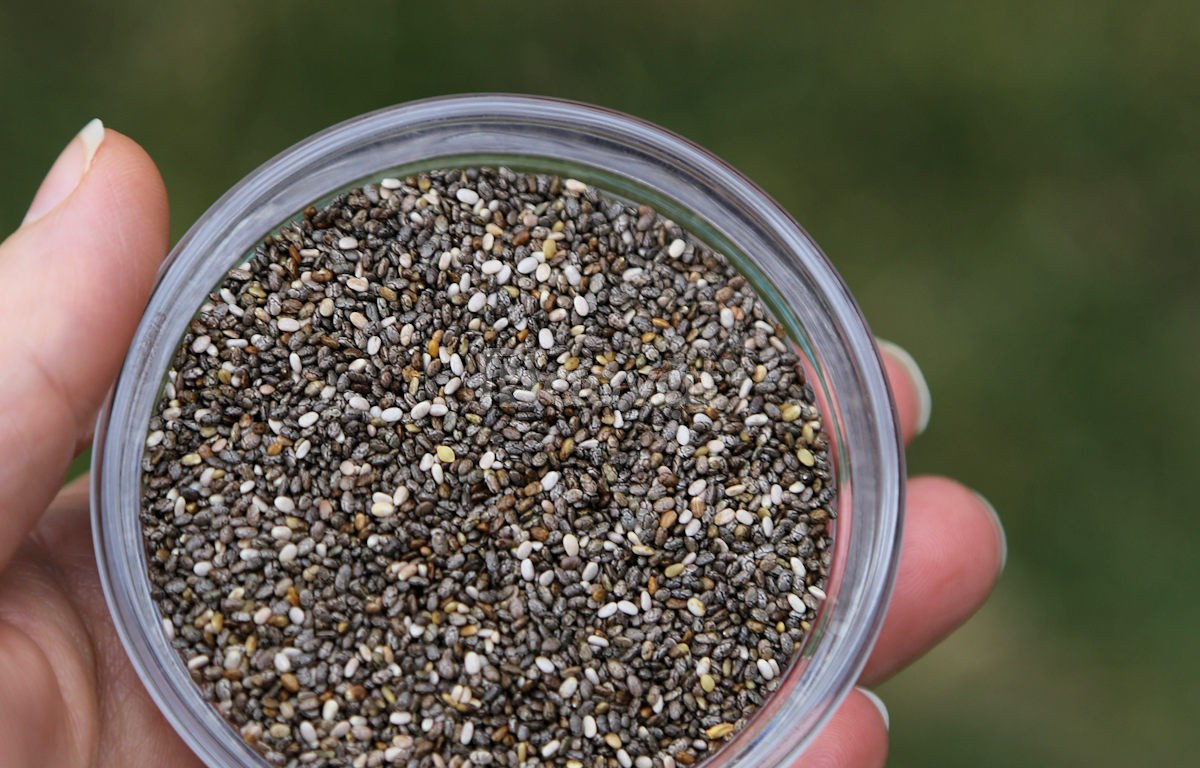
Chia seeds contain about 5,050 mg of ALA (a type of omega-3) in one tablespoon (12-15 g). These seeds are nutrient-rich, including fiber, plant protein, and polyphenols, which help lower blood pressure, improve cholesterol, and reduce inflammation. Their abundant fiber helps maintain stable blood sugar and promotes gut health, without negatively impacting sleep. |
 |
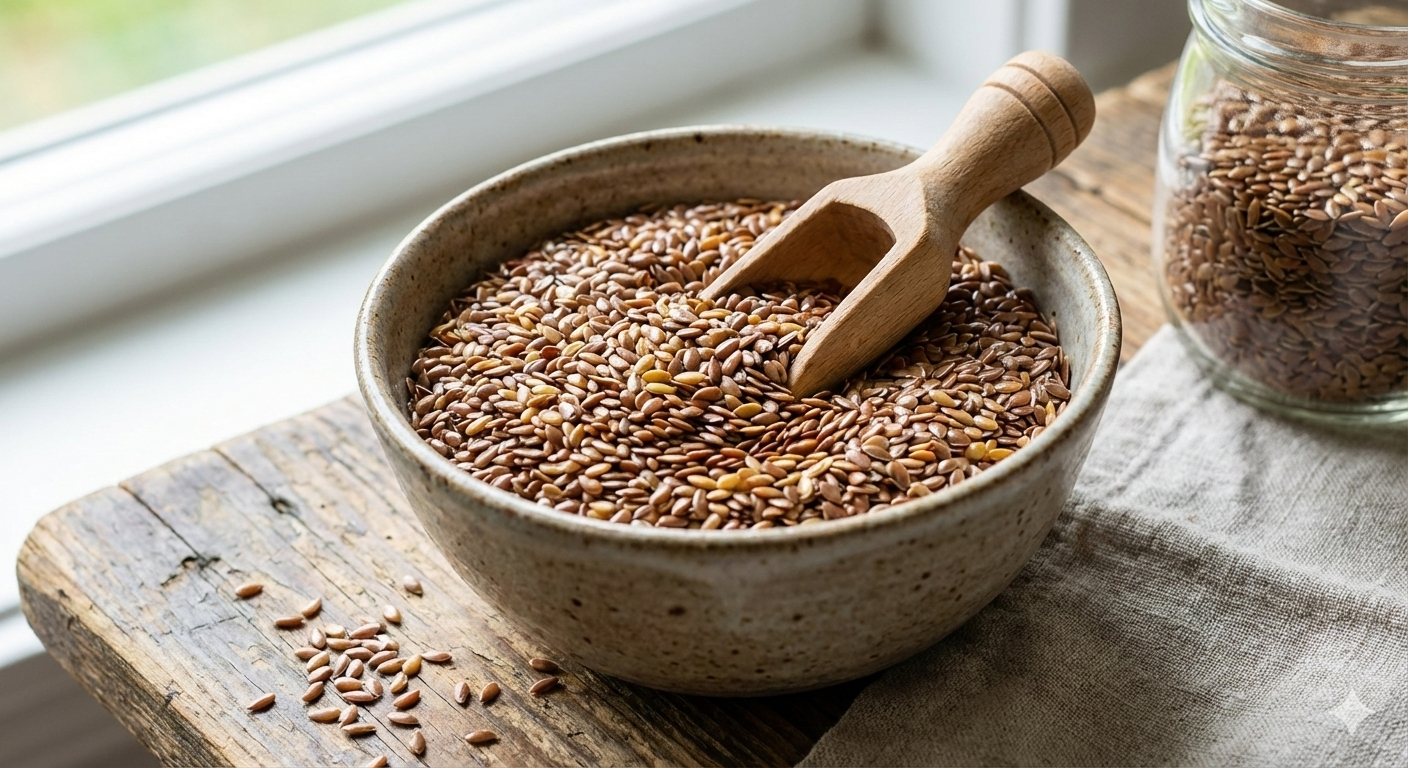
Flaxseeds contain about 2,350 mg of ALA in one tablespoon. This is a rich plant-based source of omega-3 that supports brain health. They are also abundant in lignans, plant compounds with antioxidant effects that balance hormones and maintain stable blood sugar. |
 |
By Anh Chi (According to Very Well Health)
Photos: Bao Bao, Anh Chi, AI
Readers can submit questions about neurological conditions here for a doctor's response.