Answer:
Joint pain, especially in the finger joints, after drinking alcohol is often a temporary reaction that may resolve on its own within a few hours or days. However, if the condition recurs frequently, it could damage joints and signal underlying medical conditions.
One cause is blood vessel dilation. When consuming a lot of alcohol, the ethanol in alcoholic beverages dilates blood vessels, altering circulation in and around the joints. This can cause warmth, aching, and tension in small joints like those in the hands and fingers. This condition is usually temporary and subsides after a few hours.
Another possibility is an alcohol allergy. Some individuals experience allergic reactions to ethanol, additives, or preservatives in alcoholic beverages. Symptoms such as itching, rashes, headaches, and joint pain can appear after drinking and typically resolve within one to two days.
Dehydration also plays a role. The body quickly loses water when metabolizing alcohol, which reduces the volume of joint fluid and the water content in cartilage. This affects the joints' lubrication and shock absorption capabilities, increasing mechanical friction between joint surfaces and potentially causing pain. Chronic dehydration can also accelerate joint degeneration.
Elevated uric acid levels are a significant concern. Beer contains high levels of purines, which the body converts into uric acid. Alcoholic beverages, in general, are metabolized by the liver into lactate, which competes with uric acid for excretion in the kidneys. This further leads to high concentrations of uric acid accumulating in the body, resulting in gout. Gout causes swelling, redness, and pain in the joints, particularly small joints like those in the fingers and toes.
Alcohol consumption can also increase the body's inflammatory response. Alcoholic beverages and stimulants boost the production of pro-inflammatory cytokines such as IL-6 and TNF-alpha. These signaling molecules activate immune cells, which then attack joint cartilage and the synovial membrane.
For individuals with pre-existing chronic joint conditions, alcohol can trigger flare-ups. Those suffering from rheumatoid arthritis, osteoarthritis, polyarthritis, lupus erythematosus, or previous joint injuries may experience increased joint pain after drinking. Alcohol reduces the effectiveness of some medications, potentially causing chronic conditions to flare up and cause pain if patients consume alcohol while undergoing treatment to manage their illness.
Long-term heavy alcohol consumption can also lead to neuropathy. It directly damages the nerve sheaths, specifically the myelin layer protecting peripheral nerves. This disruption interferes with signal transmission, causing burning sensations, numbness, or sharp pain, which often begins in peripheral joints like the hands and feet.
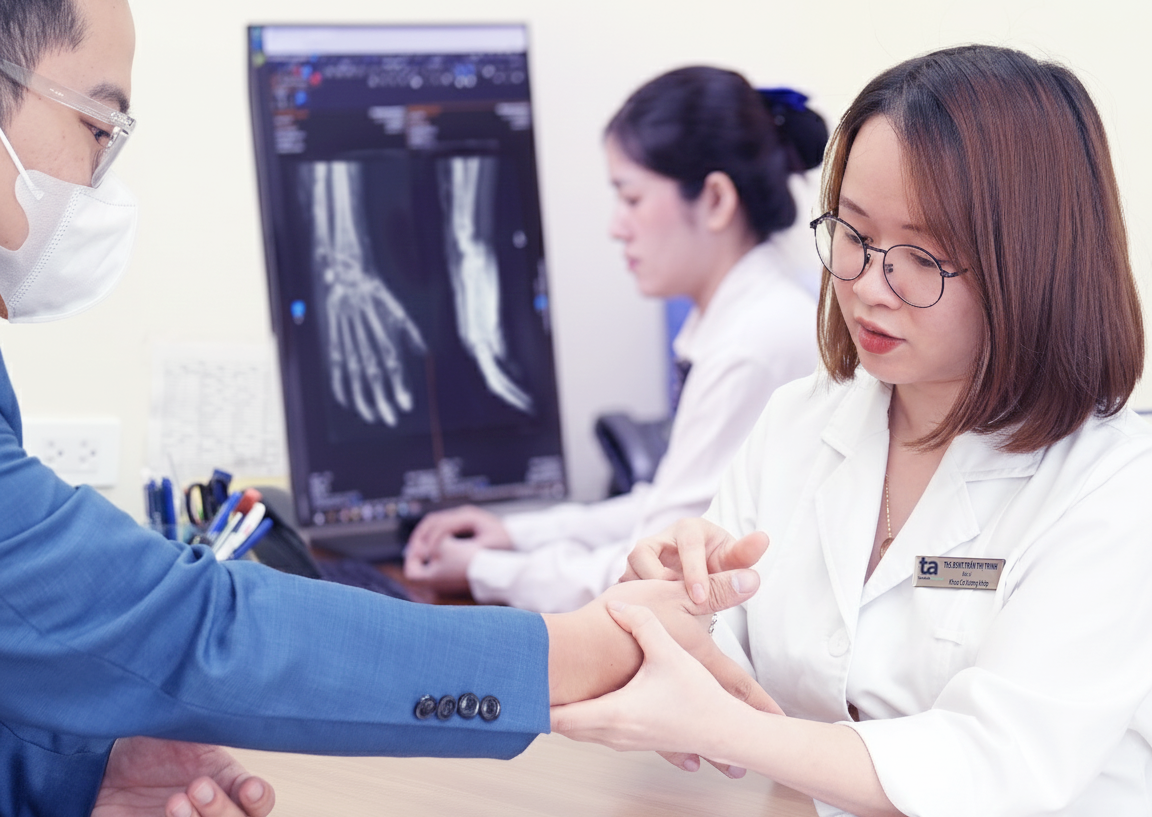 |
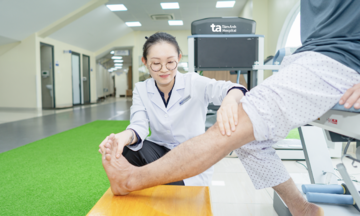
Doctor Trinh examines a patient with hand and finger joint pain. Photo: Tam Anh General Hospital |
Doctor Trinh examines a patient with hand and finger joint pain. Photo: Tam Anh General Hospital
If joint pain recurs, it is advisable to limit alcohol consumption. If drinking is unavoidable at a year-end party, opt for red wine over beer or spirits. Red wine, made from fermented grapes, contains plant-derived polyphenols like resveratrol, which have anti-inflammatory and pain-reducing properties. However, individuals should consume only one to two glasses of wine, avoiding exceeding the alcohol consumption levels recommended by the World Health Organization (WHO), as this can negate the benefits of red wine and cause joint pain to return.
Avoiding foods rich in inflammatory agents or purines, such as red meat, organ meats, animal skin, animal fat, seafood, greasy fried foods, and spicy foods, can also help reduce joint pain after a series of year-end parties. Instead, increase your intake of vegetables, roots, and fruits that are rich in anti-inflammatory and antioxidant compounds.
Drinking enough water, applying cold compresses to inflamed joints, and resting to limit strenuous activity can temporarily alleviate symptoms. If joint pain continues to recur, you should seek medical attention at a hospital with a musculoskeletal specialty. A doctor may order initial tests such as blood uric acid levels, liver and kidney function tests, joint ultrasounds, and X-rays when necessary to detect any underlying conditions and initiate early treatment.
Master of Science, Doctor Tran Thi Trinh
Department of Musculoskeletal
Tam Anh General Hospital Hanoi
| Readers can send questions about musculoskeletal diseases here for doctors to answer. |