On 28/4, Sir Run Run Shaw Hospital, affiliated with Zhejiang University School of Medicine, shared the story of Li and Zhang, a couple from Hangzhou. Their journey moved many, according to Sohu. Despite 19 years of marriage, outsiders admired them as a perfect couple, yet few knew they had never had sexual intercourse.
Li's severe mysophobia, coupled with anxiety and an aversion to physical touch, was the cause. For all those years, Zhang chose to be understanding, respectful, and patiently protect their marriage.
However, as they aged and saw friends' children grow, their desire for a complete family intensified. This prompted them to seek medical assistance.
 |
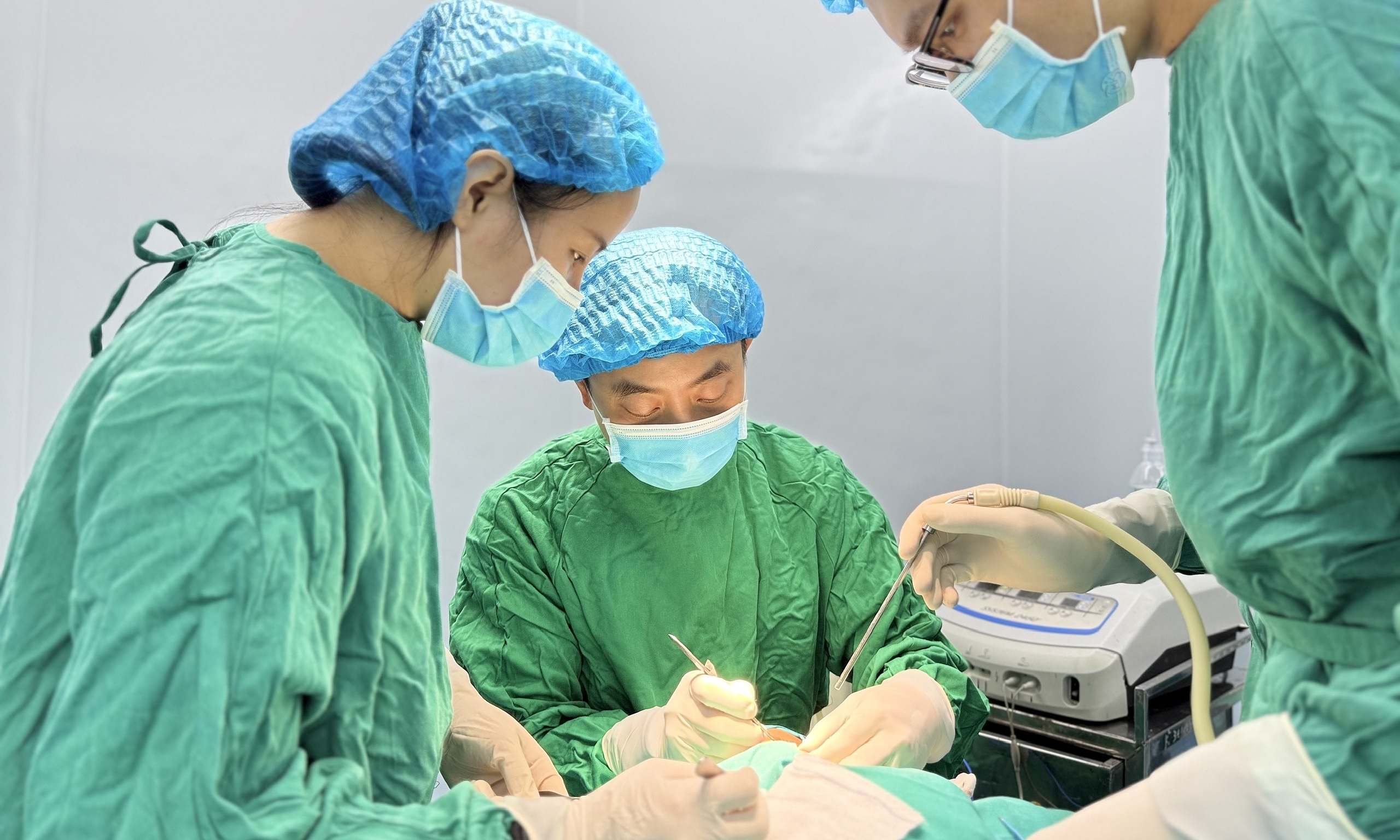
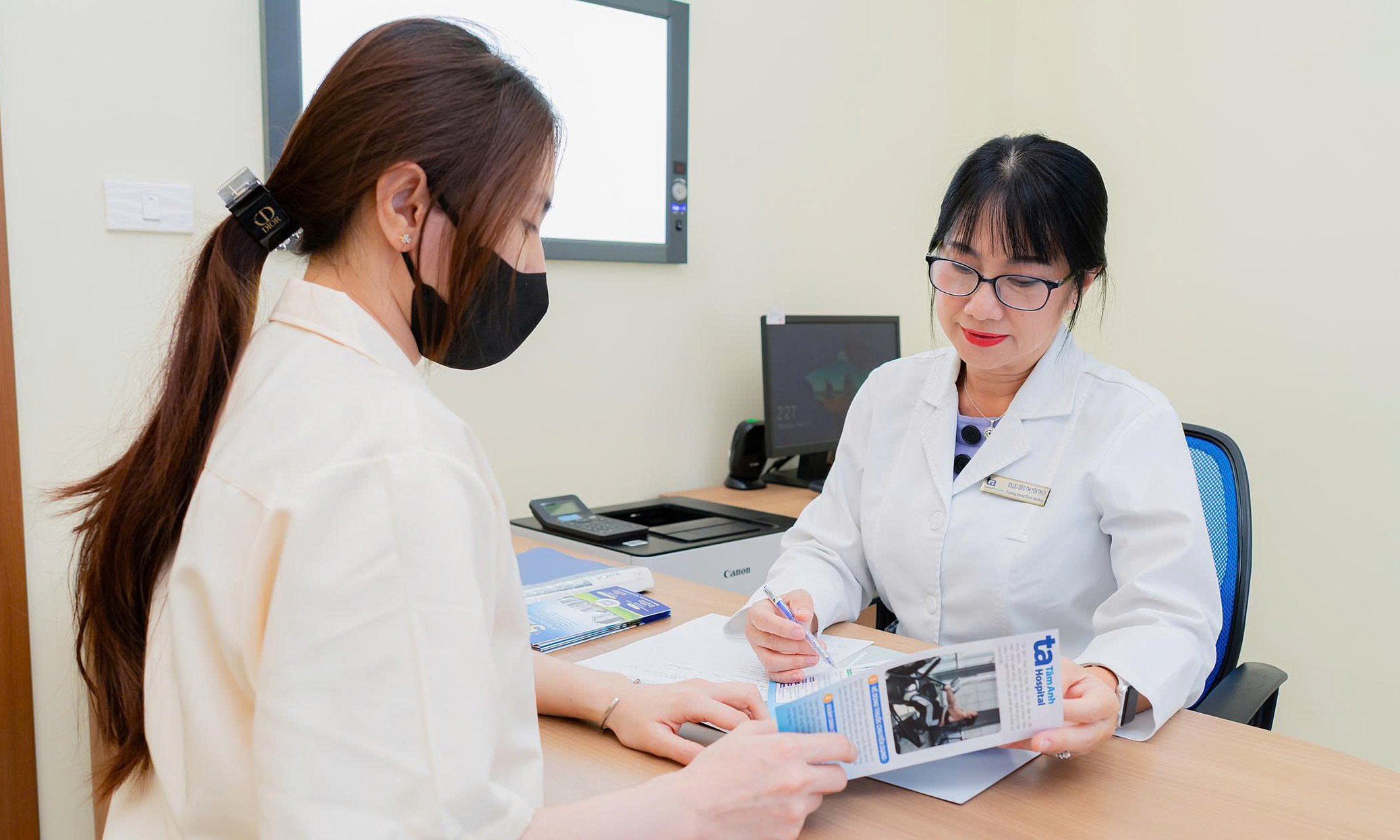
Illustrative photo: Drtaji |
Tests revealed Li's ovarian reserve was declining, while Zhang's reproductive function remained normal. Initially, doctors prescribed a three-month course of psychological counseling for natural conception. However, Li's mental barriers were too significant for this effort to succeed.
Given the situation, specialists developed a specific assisted reproductive technology (ART) protocol, including methods like intrauterine insemination (IUI) or in vitro fertilization (IVF), tailored for the couple. After a failed first treatment, they did not give up. They adjusted their mindset for a second round. Their persistence paid off when Li became pregnant and gave birth to a healthy baby girl. Now, their home is filled with laughter and joy with the new family member.
Mysophobia, also known as germophobia, is an anxiety disorder. It is characterized by an extreme, irrational, and persistent fear of dirt, germs, or contamination. It often links closely to obsessive-compulsive disorder.
Unlike normal hygiene habits, a patient's fear is so profound it completely dominates daily activities. They often exhibit compulsive cleaning behaviors, such as washing hands or showering continuously until their skin peels. They also avoid physical touch, handshakes, hugs, or even sexual intercourse. They fear public spaces, refusing to touch doorknobs or use public transport. If forced to confront what they perceive as a contaminated environment, patients may experience panic, rapid heartbeat, shortness of breath, sweating, and trembling.
The causes of this syndrome are often a combination of factors: past psychological trauma, genetic predisposition from family members with anxiety disorders, or the influence of overly strict hygiene education during childhood. Sometimes, major epidemics can also trigger this condition in sensitive individuals.
Treatment requires medical intervention, not just common advice. It primarily involves cognitive behavioral therapy. This therapy often includes gradual exposure to feared triggers in a controlled environment to help patients slowly acclimate and reduce anxiety. In severe cases, patients may also need anti-anxiety or antidepressant medications to manage associated symptoms.
By Binh Minh (Source: 163, Sohu, China Times)