According to a draft decree recently submitted for appraisal by the Ministry of Justice, professional incentive allowances would be divided into six levels, ranging from 30% to 100%. These levels are calculated based on the salary corresponding to the professional title, along with relevant allowances.
The group proposed to receive the highest allowance of 100% includes healthcare workers directly involved in emergency resuscitation, pathological anatomy, forensic medicine, forensic psychiatry, and the treatment and care of mental health patients. These positions are considered to have high pressure, frequent exposure to severe cases, significant occupational risks, and a higher likelihood of medical violence. The adjustment aims to ensure fair compensation, encourage, and retain high-quality personnel in the sector.
Nationwide, nearly 17,000 personnel currently work in intensive care, anti-poisoning, and emergency departments. If the allowance for this group is raised to 100%, the total additional cost would exceed 570 billion VND, with the state budget contributing nearly 160 billion VND.
Another group also proposed for the maximum allowance includes healthcare workers at commune health stations and preventive medicine facilities in remote, border, island, and exceptionally difficult areas.
These two groups receiving the 100% allowance will see a phased increase: 80% in 2026, 90% in 2027, and reaching 100% from 2028 onwards.
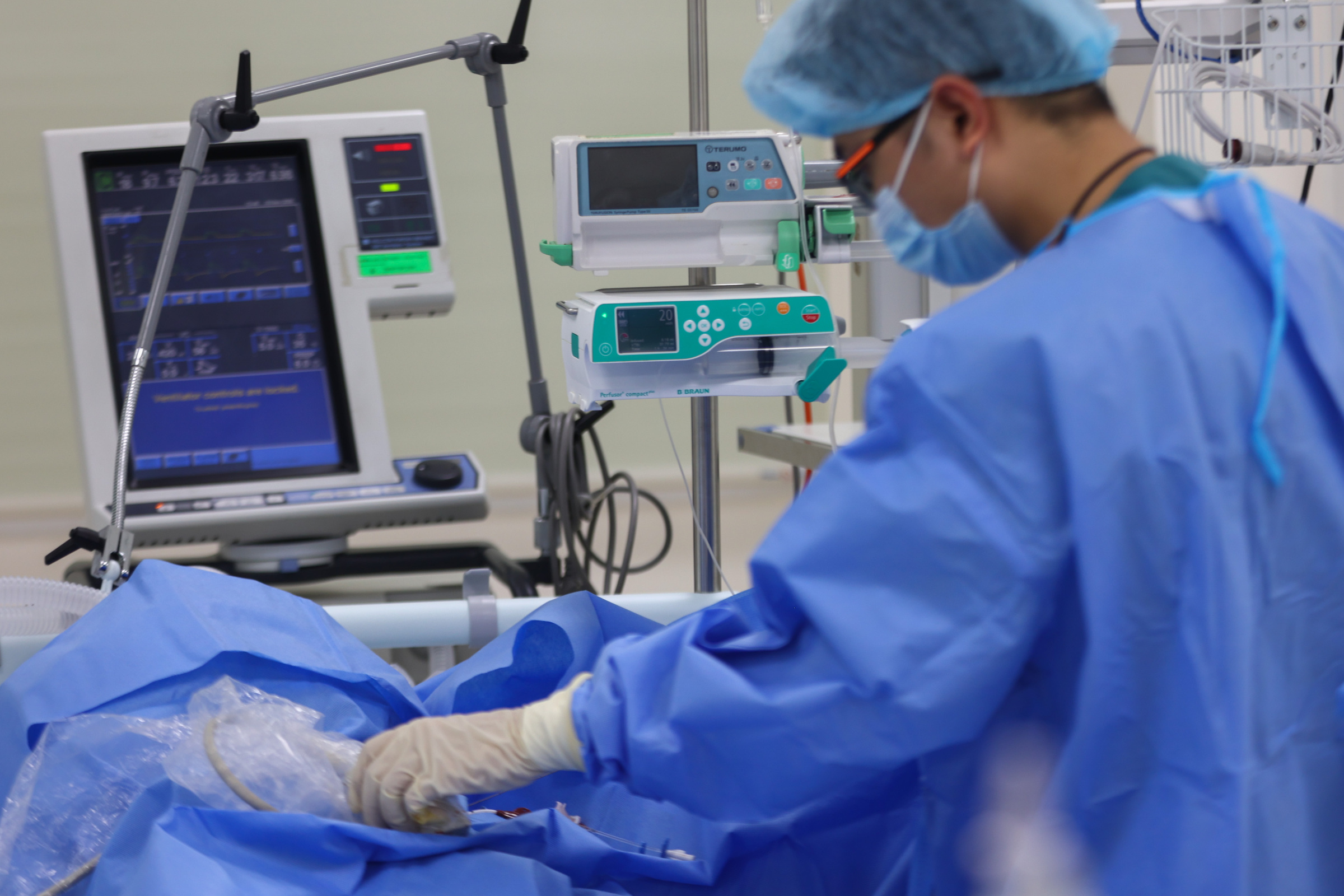 |
Healthcare workers treating a patient in the intensive care unit at Military Hospital 175. Photo: Quynh Tran |
According to calculations by the drafting agency, the total additional allowance cost for 2026 is projected to be approximately 5.961 trillion VND. Of this, units will self-finance about 825 billion VND, with the remaining amount supplemented by the state budget. This cost is expected to rise to over 6.351 trillion VND in 2027 and approximately 6.714 trillion VND annually from 2028.
Recently, doctors received an increase in their starting salaries under Resolution 72. Specifically, doctors, preventive medicine doctors, and pharmacists will be placed at salary level two upon recruitment, instead of level one as currently. The Ministry of Health believes that increasing salaries and allowances will help improve income and retain healthcare personnel, especially given the staff shortages in many hospitals, particularly in high-pressure specialties like emergency and intensive care.
Over time, the Ministry of Health and voters from various provinces and cities have consistently advocated for increased salaries and professional allowances for doctors and healthcare workers. Healthcare personnel often work without days off, enduring prolonged periods of high-intensity work, while their salaries and allowances only partially meet living needs, falling short of reflecting their demanding work and extensive training.
According to Ministry of Health statistics, from early 2021 to mid-2022, nearly 10,000 healthcare workers nationwide resigned. The highest numbers were recorded in TP HCM, Ha Noi, Dong Nai, Binh Duong, An Giang, and Da Nang. Key reasons include economic pressure, low income, and the desire for better working conditions.
Le Nga