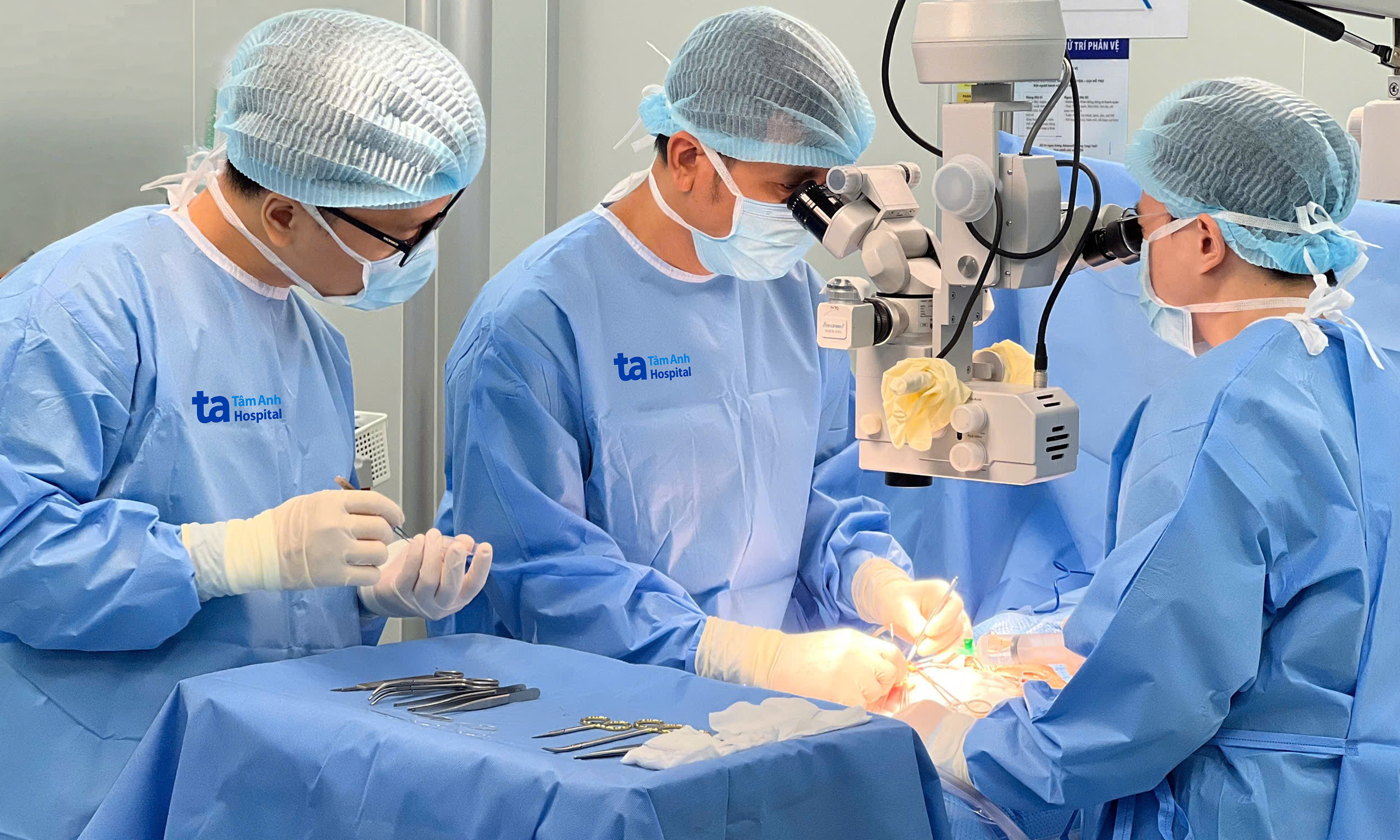
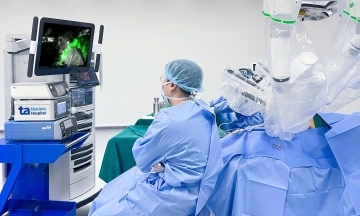
On 21/8, Ha Giang General Hospital reported successfully saving a 68-year-old patient admitted in an unconscious and dizzy state, with his heart rate plummeting to a life-threatening 31 beats per minute. Angiography revealed a blood clot completely obstructing the 3rd segment of his right coronary artery, causing acute myocardial damage. The resuscitation team urgently performed a thrombectomy and inserted a metal stent, restoring blood flow and normalizing his heart rate.
Doctors explain that coronary artery obstruction occurs when atherosclerotic plaques within blood vessels rupture, leading to sudden blood clot formation. This severe lack of blood supply to the heart muscle immediately triggers typical symptoms such as chest tightness, shortness of breath, and cold sweats. Chest pain caused by a myocardial infarction is a crushing, heavy sensation behind the breastbone, lasting over 20 minutes and often radiating to the neck, jaw, shoulder, or left arm. This differs significantly from the fleeting sharp pain of muscle soreness or acid reflux. An immediate decline in the heart's pumping function leads to fluid buildup in the lungs, potentially causing severe respiratory failure if emergency care is delayed during the critical "golden hour".
Associate Professor, Doctor Nguyen Lan Hieu, Director of Hanoi Medical University Hospital, emphasized that the practice of self-administering IV drips at home poses numerous deadly risks. Incorrect technique in non-sterile conditions can easily introduce bacteria directly into the bloodstream, leading to septic shock, or push air bubbles from the IV line into the lungs, causing an embolism. Administering an excessive or rapid amount of fluid into the body can lead to circulatory overload, triggering acute pulmonary edema, which results in soaring blood pressure and severe shortness of breath. This is particularly dangerous for the elderly and those with pre-existing cardiovascular conditions or impaired kidney function. Patients also risk anaphylactic shock and cardiac arrhythmias from electrolyte imbalances, potentially leading to rapid death due to the absence of essential medical equipment like electrocardiogram machines, oxygen tanks, and specialized resuscitation tools at home.
Middle-aged and elderly individuals with underlying conditions such as high blood pressure, diabetes, or high cholesterol should immediately seek care at interventional cardiology facilities upon experiencing prolonged chest tightness. Self-treatment must be avoided to maximize the preservation of viable heart muscle.
Thuy Quynh