"This is the first artificial aortic valve replacement using the valve-in-valve transcatheter aortic valve implantation (ViV-TAVI) technique at Tam Anh Hospital", stated Professor Doctor Vo Thanh Nhan, Director of the Interventional Cardiology Center.
Instead of open-heart surgery to replace the degenerated artificial valve leaflet, the medical team threaded a catheter from the femoral artery to the valve's location. They then deployed a new valve leaflet, pressing it against the old one to ensure smooth opening and closing functions. This minimally invasive technique is safe for patients with aortic valve stenosis who cannot undergo surgery. ViV-TAVI is the preferred choice to reduce risks of infection, bleeding, hemodynamic instability, and respiratory failure, which are potential complications of a second open-heart surgery.
Six months prior, Ms. Thinh's echocardiogram showed severe re-stenosis of her aortic valve. This is a common complication 8 to 12 years after artificial valve replacement surgery, especially in elderly patients with multiple underlying conditions.
Professor Nhan assessed the patient's valve stenosis as very severe, with complications including heart failure, irregular heartbeat (premature ventricular contractions), and left atrial dilation. The mean pressure gradient across the valve exceeded 65 mmHg, far surpassing the 40 mmHg threshold for valve replacement.
Typically, patients undergo a second open-heart surgery to replace the valve, preventing dangerous complications such as severe heart failure or endocarditis. However, Ms. Thinh's advanced age, ongoing chemotherapy for lung cancer, pulmonary embolism, deep vein thrombosis in her lower limbs, and previous heart valve surgery meant her chest cavity was inflamed and adhered, making reoperation difficult. Re-opening the sternum and dissecting scar tissue carried risks of damaging the heart, major blood vessels, and adjacent organs.
To mitigate the risks of major surgery, Professor Nhan decided to perform the ViV-TAVI technique. This involved placing a new biological valve directly within the old artificial valve via a catheter inserted through the femoral artery. This technique avoids open-chest surgery, sparing the patient from another sternotomy.
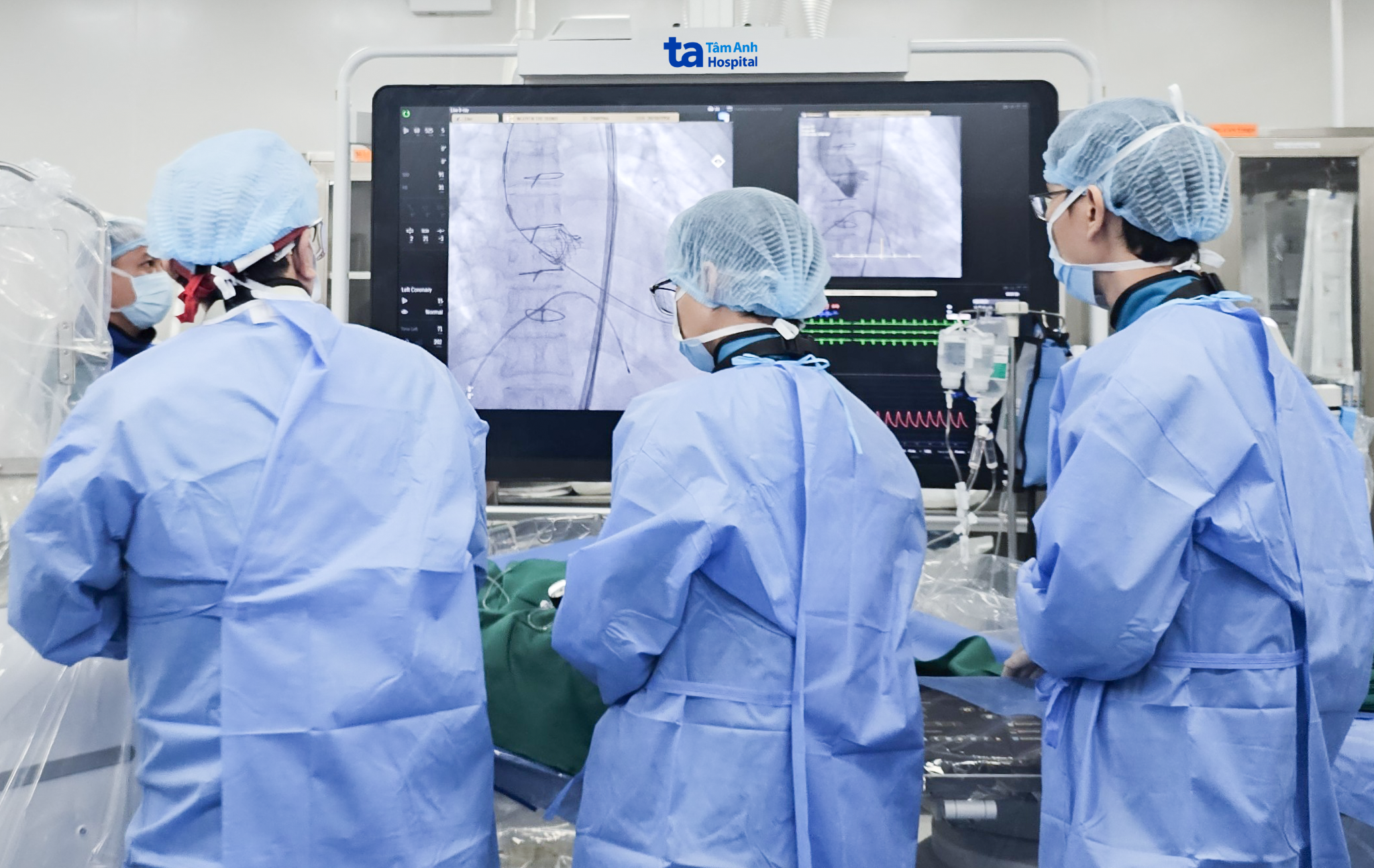 |
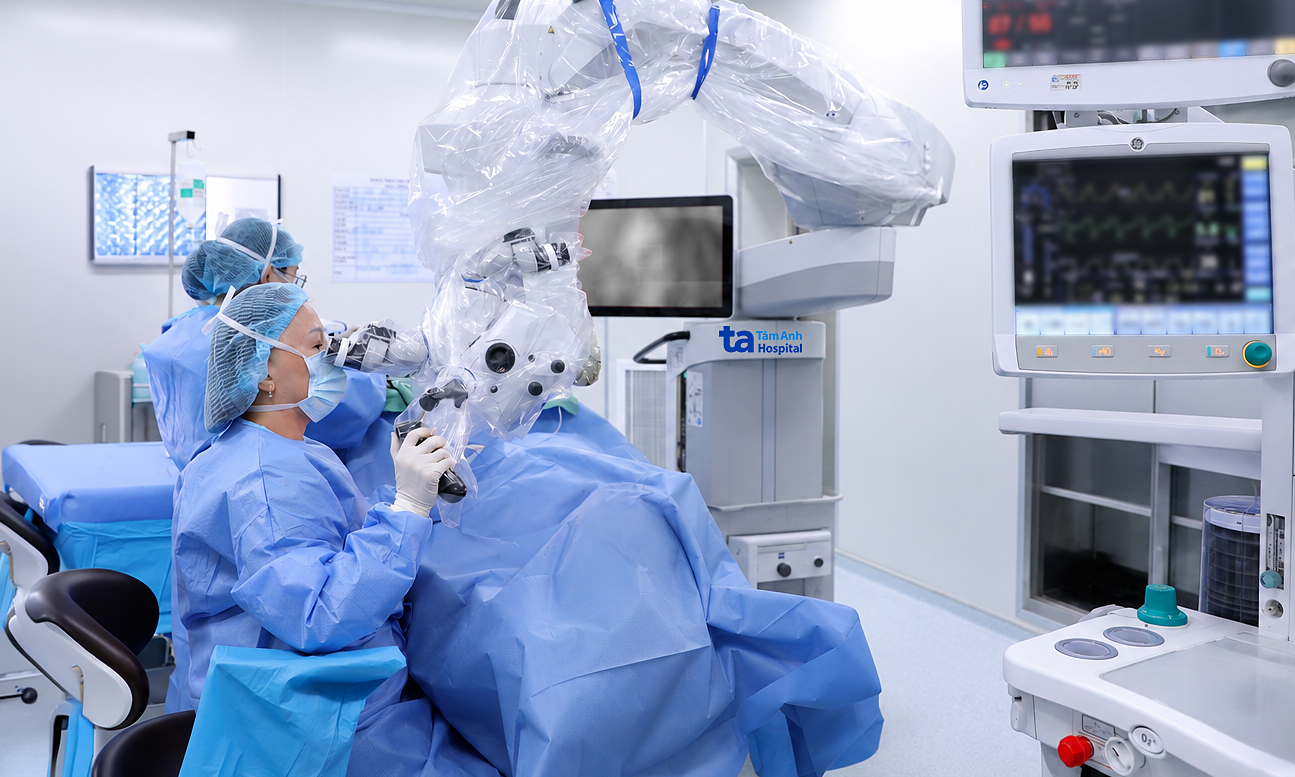
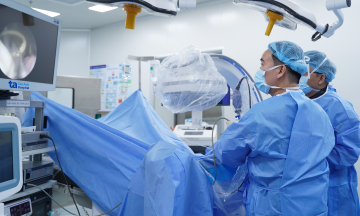
Professor Nhan and the team perform "valve-in-valve" implantation to treat aortic valve re-stenosis for the patient. Photo: Tam Anh General Hospital |
Professor Nhan selected the new generation Sapien 3 Ultra Resilia biological valve, which has a lifespan of approximately 15 to 16 years, nearly double that of many previous biological valve generations (8 to 10 years). This choice may eliminate the need for future interventions for the patient.
During the procedure, the team observed that the diameter of the old valve lumen had narrowed to about 17 mm due to fibrous tissue growth. Implanting a new valve of this exact size carried a high risk of incomplete expansion or insecure attachment. Therefore, the team dilated the valve annulus to approximately 20 mm before deploying the new valve, ensuring stable fixation and optimal function.
After one hour, the new valve was successfully implanted. Myocardial contractility improved, enhancing blood circulation throughout the body. The pressure gradient across the valve decreased from over 65 mmHg to approximately 9 mmHg, close to normal. Ms. Thinh no longer experienced shortness of breath with light activity and was discharged after three days to continue her lung cancer treatment.
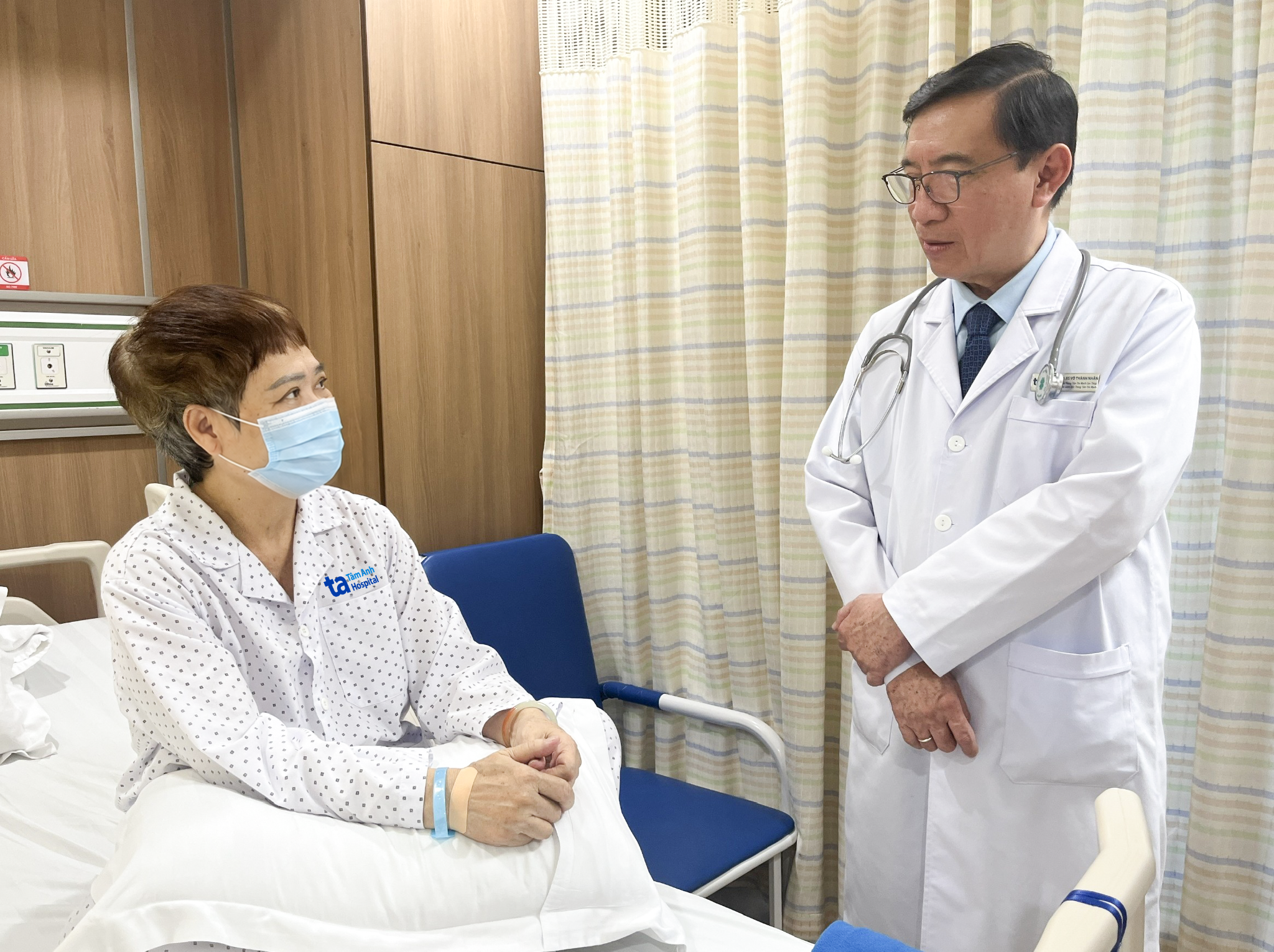 |
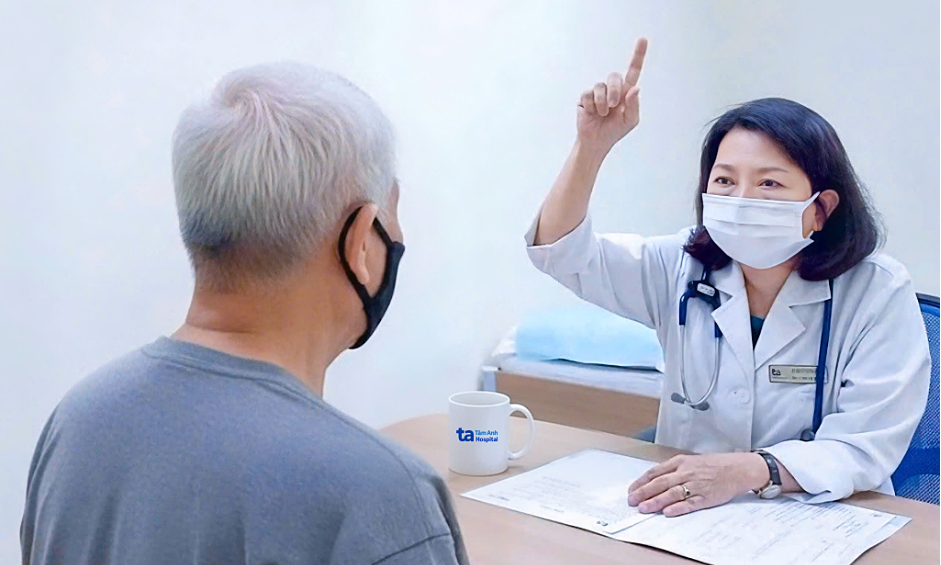
Professor Nhan instructs the patient on lifestyle and follow-up appointments after discharge. Photo: Tam Anh General Hospital |
Professor Nhan explained that ViV-TAVI was developed over 10 years ago and is now a standard treatment for patients with degenerated biological heart valves who face high risks if they undergo a second open-heart surgery. This technique is widely used in the US, Europe, and many major cardiology centers worldwide. Tam Anh General Hospital TP HCM has successfully implemented the ViV-TAVI technique, expanding treatment opportunities for many patients who have previously undergone heart valve replacement, suffer from multiple underlying conditions, or cannot undergo open surgery.
Thu Ha
| Readers can submit questions about cardiovascular disease here for doctors to answer. |