Many diabetes patients mistakenly believe that controlling blood sugar requires completely abstaining from carbohydrate-rich foods like rice or noodles. However, nutritionist Huang Jing-xiu from Dalin Tzu Chi Hospital in Taiwan, China, warns that a breakfast solely focused on protein, such as soy milk and boiled eggs, without adequate carbohydrates for energy, can lead to unpredictable blood sugar fluctuations, increased hunger, and even a rebound surge after an initial drop.
A healthy breakfast requires a balance of four essential nutrient groups: carbohydrates (the primary energy source), protein (from sources like beans, fish, eggs, and meat), vegetables (for fiber), and fats. Sufficient carbohydrates provide essential energy, while protein and fiber work to slow down sugar absorption. This combination helps maintain stable post-meal blood sugar levels.
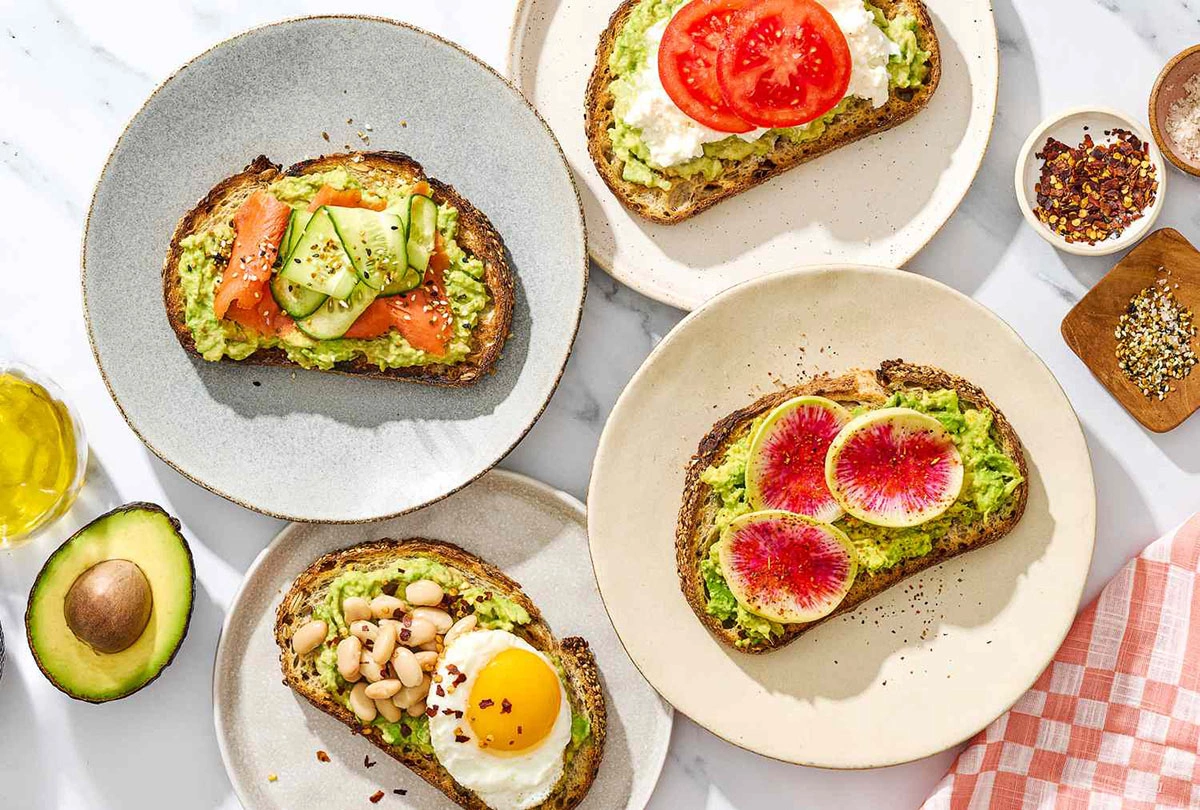 |
Illustration: Ali Redmond |
The expert advises patients to avoid combining foods high in sugar and fat. Common breakfast choices, such as bread with jam, fruit juice, or fresh milk, often contain excessive sugar and lack fiber. She suggests replacing these with options like a lean pork burger, eggs, and unsweetened yogurt. Instead of egg floss cake paired with milk tea, which can lead to high intake of oil and sugar, patients could opt for whole grain rice paper rolls with egg and vegetables, served with unsweetened soy milk to increase fiber and high-quality plant protein.
For traditional Chinese breakfast dishes, combinations like fried dough sticks, sesame-filled toast, and rice milk are often high in refined carbohydrates, fats, and sugar, which can cause blood sugar to spike. A better option is fried dough sticks with egg, served with savory soy milk. Furthermore, stir-fried noodles with beef ball soup often lack fiber and contain excessive salt. A healthier alternative is noodle soup with braised egg and boiled vegetables. In the daily diet, prioritizing natural foods is crucial. Patients should reduce deeply processed items like egg floss, beef balls, or hot pot ingredients, and learn to distinguish between natural and added sugars.
Beyond nutritional content, the order of food consumption significantly impacts post-meal blood sugar stability. Studies show that eating vegetables first, followed by protein sources like beans, fish, eggs, and meat, and then carbohydrates, helps minimize blood sugar fluctuations.
For individuals with diabetes, adhering to three core principles—eating natural foods, consuming adequate portions, and following the correct eating order—alongside regular exercise and guidance from doctors and nutritionists, is key to effective blood sugar control and long-term health.
 |
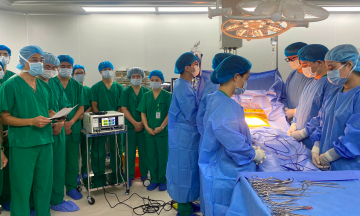
Nutritionist Huang Jing-xiu. Photo: Dalin Tzu Chi Hospital |
Binh Minh (According to Health News)