Healthcare experts repeatedly emphasize that proper nutrition is fundamental for both health and intelligence. A balanced diet meets the body's needs during various stages of human development. According to Dr. Nguyen Cat Phuong Vu from City Children's Hospital, Ho Chi Minh City, nutrition plays a particularly important role for C-section babies because this group often has weaker immune systems and gut microbiota compared to vaginally born infants in early life.
Immune disadvantages of C-section birth
C-section babies, especially those born from elective C-sections, miss the natural labor process. This results in them receiving up to 45% fewer antibodies compared to vaginally born babies, according to research by Indian scientists compiled at the U.S. National Library of Medicine. Furthermore, the C-section process also reduces the baby's exposure to beneficial bacteria from the mother, which is more common during vaginal birth.
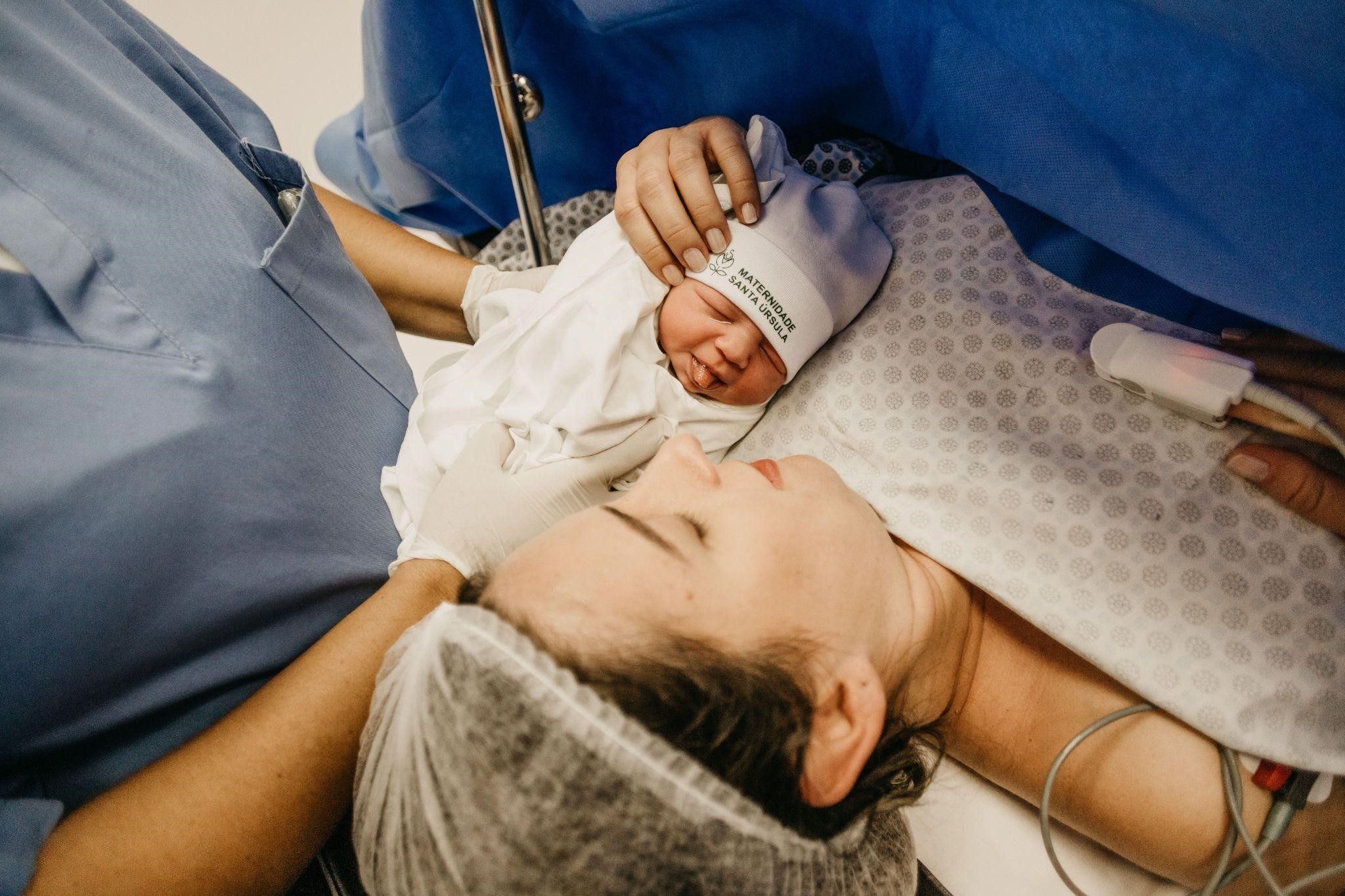 |
C-section birth results in babies receiving fewer antibodies and beneficial bacteria from their mothers compared to vaginal birth. *Pexels*.
Dr. Du Minh Tri, Head of the Examination Department at City Children's Hospital, Ho Chi Minh City, explains that during vaginal birth, babies are exposed early to beneficial bacterial flora from their mothers, particularly Bifidobacterium and Lactobacillus. These bacteria play a crucial role in building a healthy microbiome and helping the immune system develop in a more balanced way. In contrast, C-section babies are often exposed more to bacteria from caregivers' skin or the hospital environment. This can lead to an early imbalance in the microbiome, known as gut dysbiosis.
The formation of gut microbiota in early life directly impacts the development of a child's early immunity. The gut is considered the body's "largest immune training organ", with approximately 70-80% of immune cells associated with the gut immune system.
Additionally, several studies indicate that C-section babies often start breastfeeding later or breastfeed for shorter durations. This reduces their opportunity to receive colostrum, which is rich in antibodies, lactoferrin, and HMOs – components that nourish beneficial bacteria and support mucosal immunity in the digestive tract.
According to the study "Immune System in Children & Risk of Early Immune Deficiency" by Dr. Nguyen Thi Van Anh from the Department of Immunology - Allergy - Rheumatology, National Children's Hospital, C-section delivery affects the immunity of young children, reducing iron stores in C-section babies compared to those born vaginally. The gut microbiomes of C-section babies have fewer beneficial bacteria and contain more pathogenic bacteria, which continuously produce inflammatory components. C-section babies face a 1.5 times higher risk of immune deficiency than vaginally born children, and this immune deficiency can extend up to 5 years of age.
Numerous scientific studies have shown that a weaker immune system makes C-section babies more prone to issues such as digestive disorders, diarrhea, constipation, allergies, or respiratory infections than vaginally born infants. C-section babies also have a higher risk of developing autoimmune diseases and allergies.
Compensating for immune deficiencies through nutrition
Dr. Phuong Vu states that in the first months of life, breast milk remains the best source of nutrition for C-section babies. It not only provides complete nutrients but also contains numerous antibodies, beneficial bacteria, and components that help complete the immune system. C-section babies should ideally be breastfed early and exclusively for the first 6 months if possible.
In the report "Creating Gold Standard Immunity for Children - The Role of Breast Milk and Breastfeeding", Dr. Nguyen Thi Thu Hau, Head of the Nutrition Department at Children's Hospital 2, Ho Chi Minh City, notes that breastfeeding helps infants and young children reduce the risk of infection and develop a healthy gut microbiome. Breastfeeding protects babies from chronic diseases, reducing the risk of obesity, type 1 and 2 diabetes, and asthma. Among the stages of breast milk, colostrum (0-5 days postpartum) contains the highest immune components, with very high levels of IgA, lactoferrin, and leukocytes, focusing on protection and preventing early infections. In later stages, breast milk continues to contain antibodies, HMOs, growth factors, and cytokines.
"Breastfeeding is the common way to provide young children with the nutrients they need for healthy growth and development", the World Health Organization (WHO) emphasizes. Colostrum, the yellowish, sticky breast milk produced at the end of pregnancy, is recommended by WHO as the perfect food for newborns, and feeding should begin within one hour of birth. WHO also recommends exclusive breastfeeding up to 6 months of age, followed by continued breastfeeding while introducing complementary foods until two years or beyond.
Dr. Phuong Vu explains that for various reasons, such as mothers returning to work or having medical conditions requiring treatment, it may not be possible to produce enough milk or maintain exclusive breastfeeding. In such cases, parents need to choose a formula product appropriate for the child's age and digestive condition. Currently, some formula brands supplement with components that support the immune system and gut microbiota, such as HMO, probiotics (beneficial bacteria), prebiotics (fiber – food for beneficial bacteria), or nucleotides and lactoferrin. These components can contribute to supporting the development of gut microbiota and reducing the risk of infection in young children, especially C-section babies.
"However, parents need to understand that no formula can completely replace the immune value of breast milk. Therefore, if possible, prioritizing breastfeeding, even partially, is still recommended", Dr. Phuong Vu stresses.
The doctor also advises that when children begin complementary feeding, parents should build a diverse and balanced diet for them, increasing foods rich in protein, iron, zinc, vitamins A, D, and fiber to support immunity and height development. Simultaneously, parents should limit the overuse of antibiotics and processed foods, as these can negatively affect the child's gut microbiota.
 |
A proper nutritional regimen and supplementation with immunity-boosting components play a vital role in the health and development of C-section babies. *Pexels*.
Mothers should also consider supplementing their babies with antibodies, such as IgG from ColosIgG 24h colostrum, or IgHM active compounds, to boost the child's immunity. IgHM is a protein brand isolated from bovine colostrum, utilizing advanced technology to select antibodies with a 3D structure similar to natural antibodies in breast milk. According to nutrition experts, this represents a breakthrough, providing a new source of immunity-boosting nutrients that ensures both targeted selectivity for higher efficacy and the natural quality of the raw material.
Kim Anh