 |
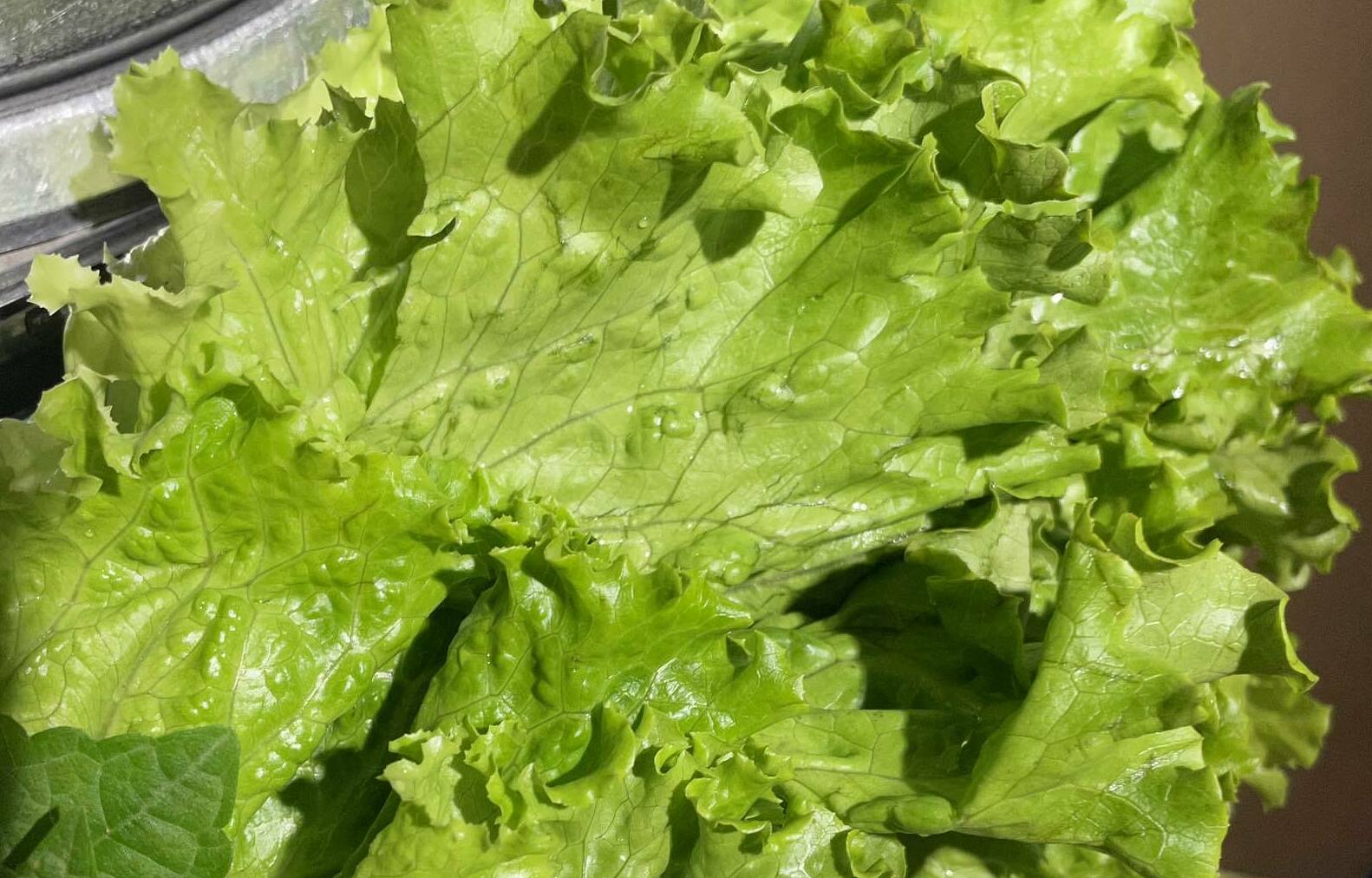
Lettuce, a hydrating and fiber-rich vegetable, can significantly support fat loss. Its high water content promotes a feeling of fullness, helping to reduce overall food intake. According to Healthline, the abundant fiber in lettuce slows digestion, which can prevent sudden spikes in blood sugar, a primary contributor to belly fat accumulation. Additionally, the water and minerals in lettuce support smooth digestive function, enhancing the body's ability to break down excess fat. |
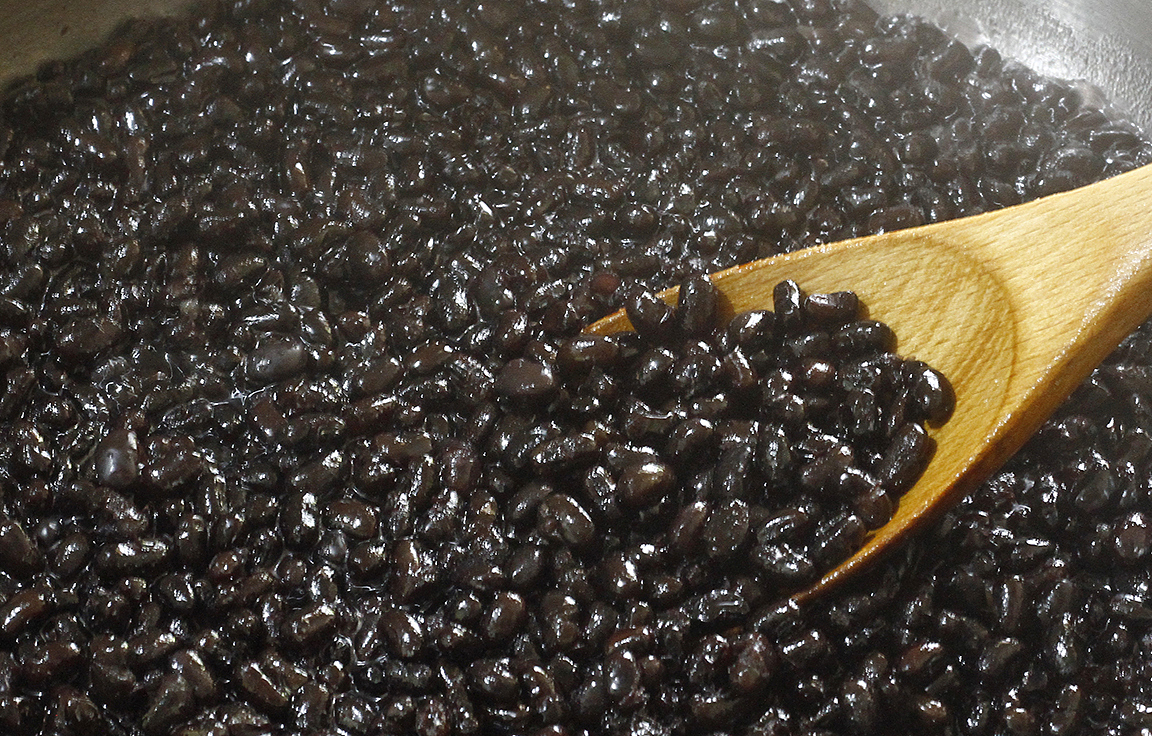 |
Black beans are an excellent source of protein and fiber, making them a powerful ally in weight loss efforts. This food helps individuals feel full quickly, reducing overall food intake and subsequently lowering calorie consumption. A single cup of black beans contains 12.5 g of fiber, 4 g of fat, and nearly 15 g of protein. Incorporate them into rice dishes, stews, or simply boil them and consume them at the beginning of your meal, before proteins and carbohydrates. |
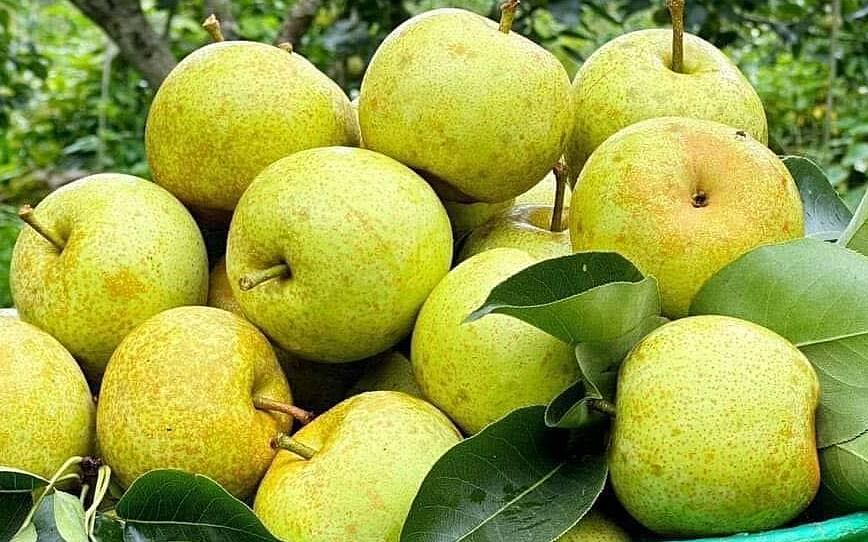 |
Pears are packed with water and fiber, contributing to a feeling of fullness and effective weight management. Eating the fruit whole, especially with the skin, enhances satiety. Unlike juice, whole fruit requires more chewing, which encourages slower eating and helps prevent excessive calorie intake. Pears also boast a low glycemic index, around 35, which supports more stable blood sugar levels and reduces the risk of fat accumulation. |
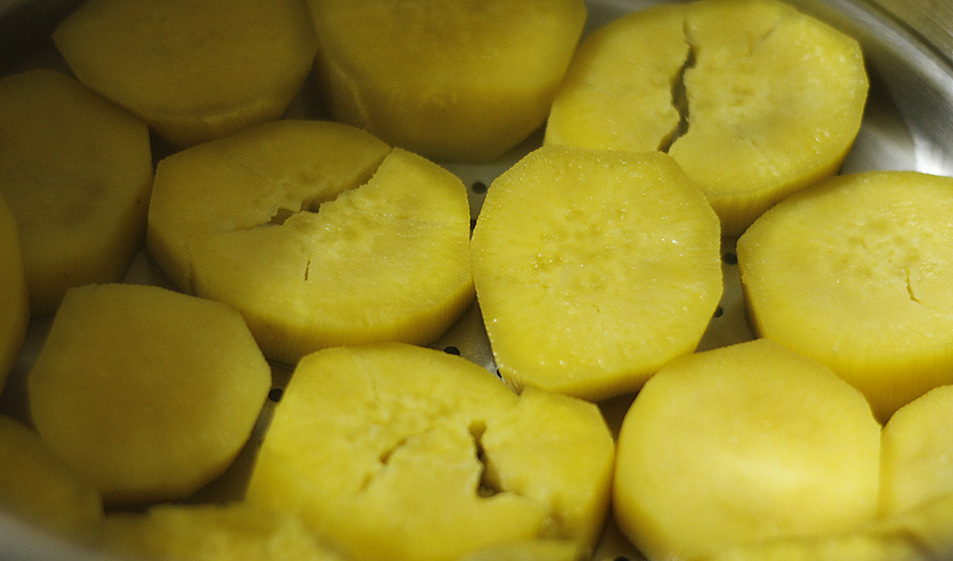 |
Sweet potatoes, whether steamed or baked, offer a naturally sweet and flavorful option that aids in fat burning. They provide a satisfying taste without needing excessive seasoning. This food promotes fullness and is low in calories, effectively supporting fat loss. Furthermore, sweet potatoes are rich in potassium, beta-carotene, vitamin C, and fiber, all of which are beneficial for overall health. |
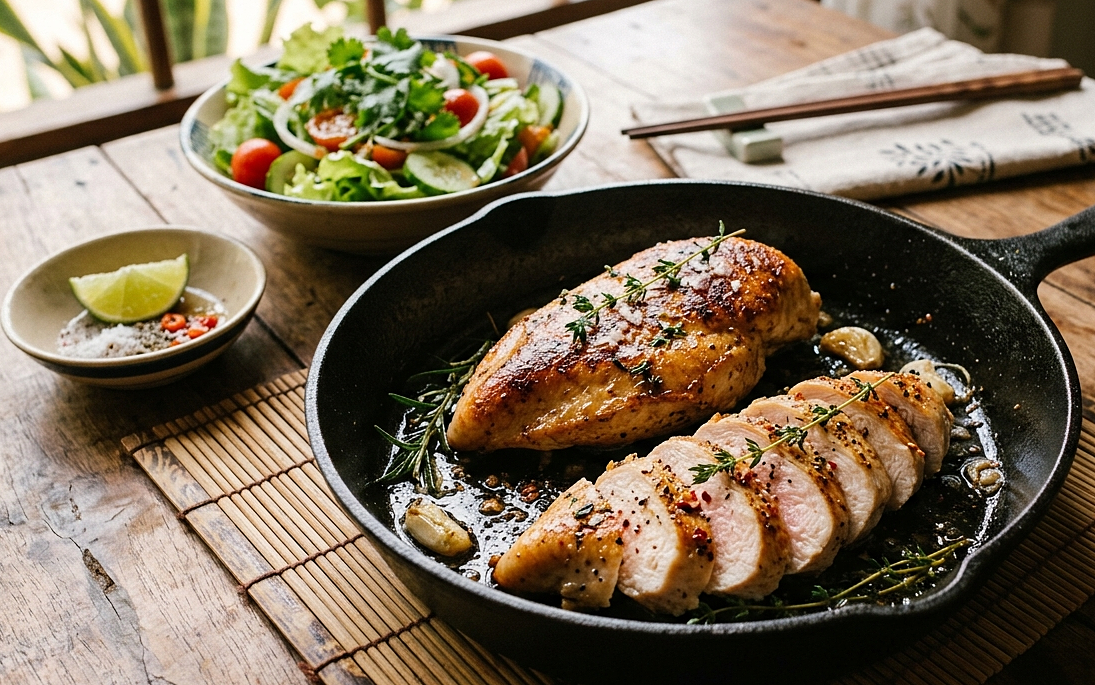 |
Lean chicken is a protein powerhouse that helps increase satiety and boosts calorie expenditure during digestion. Individuals aiming for weight loss should prioritize white meat cuts, while limiting thighs and skin, which contain higher fat levels. A recommended serving is approximately 85-110 g of chicken breast, consumed three to four times weekly, preferably prepared by steaming, boiling, or pan-frying. |
By Anh Chi (Compiled)
Photos: Anh Chi, AI
Readers can submit questions about endocrine diseases here for a doctor's response.