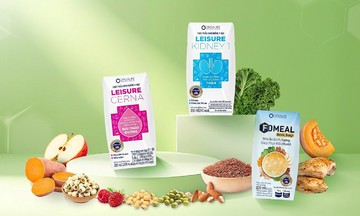
Meal replacement soup is a suitable option for patients who have difficulty eating, poor absorption, or require rapid nutritional supplementation. Orgalife's Fomeal Basic Soup was developed based on balanced nutritional principles, helping patients maintain energy and supporting the body's recovery after treatment.
The product delivers 1 kcal/ml of energy, meeting daily caloric needs. Additionally, its protein hydrolysis technology converts protein into peptides (short chains), allowing for quick absorption. This is particularly beneficial for post-surgery patients or those with a weakened digestive system. This technology is patented in the US, Japan, and over 14 other countries worldwide.
 |
Fomeal Basic Soup supports nutritional supplementation for those needing health recovery. Photo: Orgalife |
Moreover, the nutritional composition of Fomeal Basic Soup is balanced according to World Health Organization (WHO) recommendations, ensuring sufficient protein, vitamins, and essential minerals for individuals requiring health recovery.
Another advantage of the product is its ability to integrate comprehensive nutrition into a single item. For patients in the recovery phase or busy caregivers, preparing balanced meals often presents challenges. This drinkable soup provides complete energy and micronutrients, mitigating malnutrition due to missed meals or inadequate nutrient intake.
"Beyond physical support, proper nutrition also helps patients reduce fatigue, boost immunity, and stabilize their mood, leading to better cooperation with medical treatments", a brand representative stated.
Experts emphasize that clinical nutrition is not an auxiliary factor, but a crucial part of the treatment regimen. Assessing nutritional status and applying appropriate solutions from the outset helps increase drug tolerance, reduces complications, enhances treatment effectiveness, and shortens hospital stays.
"Fomeal Basic Soup cannot replace medical treatment, but it serves as a nutritional support tool, providing necessary energy and nutrients to help patients maintain health and improve the recovery process after treatment", the brand representative added.
 |
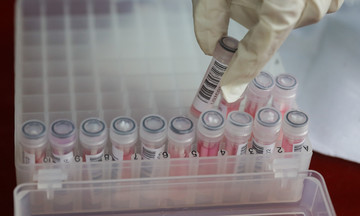
Post-surgery patients require adequate and proper nutritional supplementation for easy absorption. Photo: Pinterest |
After surgery, severe illness treatment, or during Intensive Care Unit (ICU) stays, many patients often face difficulties with eating and nutrient absorption, making the risk of malnutrition evident. A study published in the Journal of Medical Research in 2020 by the Intensive Care Unit, Agricultural General Hospital, revealed that 53.9% of ICU patients had a high nutritional risk, 36.4% had a low risk, while only 9.7% had no risk. Malnutrition not only delays recovery but also increases the risk of complications and prolongs hospital stays.
The causes stem from various factors. After surgery or severe illness, the body requires a larger amount of nutrients, but its absorption capacity decreases. Conditions such as cancer, diabetes, liver failure, and kidney failure directly affect nutrient absorption efficiency. A weakened digestive system, loss of appetite, difficulty chewing/swallowing, or digestive disorders further hinder patients from adequately supplementing nutrients. Additionally, conventional meals sometimes provide enough energy but lack a balance of important protein, vitamins, and minerals.
The Dan