When discussing air pollution, many people often think of traffic, dust, or industrial waste. However, numerous household items can also harm the lungs over time.
Household cleaning products
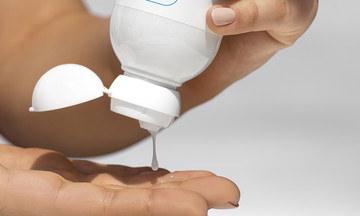
Certain floor cleaners, disinfectants, and air fresheners release volatile organic compounds (VOCs). These can irritate the eyes, nose, and throat, and over the long term, increase the risk of respiratory illnesses. The risk is higher in poorly ventilated homes, where VOCs accumulate in the air for extended periods.
Furniture made from synthetic materials
Materials such as plywood, foam, and adhesives emit formaldehyde and VOCs, which can linger in the air for months or even years. They can also cause eye and skin irritation, headaches, and long-term respiratory problems. Health risks are greater when these items are placed in enclosed rooms with inadequate air circulation.
Incense, scented candles
Incense and scented candles of unclear origin, when burned, can produce pollutants like carbon monoxide, benzene, and PM2.5. These tiny particles can penetrate the lungs. Regular exposure exacerbates asthma, allergies, and other respiratory diseases.
Clutter
Household clutter, such as old newspapers and unused plastic boxes, not only detracts from aesthetics but also contributes to indoor air pollution. These items easily accumulate dust, creating conditions for mold, dust mites, and insects, especially in humid climates. Storage spaces like attics, wardrobes, or under beds can become significant pollutant accumulation zones if not cleaned regularly.
To maintain a clean home, combine natural methods such as opening windows for ventilation and growing houseplants (like snake plants, spider plants). Additionally, use activated charcoal and essential oils, and practice regular cleaning methods like vacuuming, mopping, and cleaning pet supplies. For enclosed spaces, families should consider using air purifiers to remove dust and mold.
Le Nguyen (According to Times of India)
| Readers can submit respiratory health questions here for a doctor's answers |