On 26/12, Director of the Ho Chi Minh City Department of Health, Tang Chi Thuong, announced the city's plan to reorganize 38 regional medical centers, which currently manage 168 communal health stations. These will be transformed into 168 ward, commune, and special zone health stations, directly managed by the respective People's Committees. This restructuring aims to streamline management, enhance the autonomy of health stations, and ensure more prompt and effective service delivery to residents.
Following the reorganization, these health stations will retain their existing facilities, staff, and equipment. This ensures uninterrupted operations for essential services such as examinations, treatment, vaccinations, and primary healthcare. The Department of Health will continue to provide professional guidance, support, and oversight to these stations.
Familiar community services, including vaccinations, chronic disease monitoring, health management for the elderly and children, and health education, will continue. These services will be tailored to each locality. Residents in areas who previously had to visit regional medical centers for basic healthcare can now access these services directly at their local ward or commune health station, saving travel time and reducing waiting periods.
Regional medical centers that currently provide inpatient treatment will maintain their existing examination and treatment activities. A portion of primary healthcare tasks will be transferred to communal health stations, contributing to efficient patient flow and easing pressure on higher-level medical facilities.
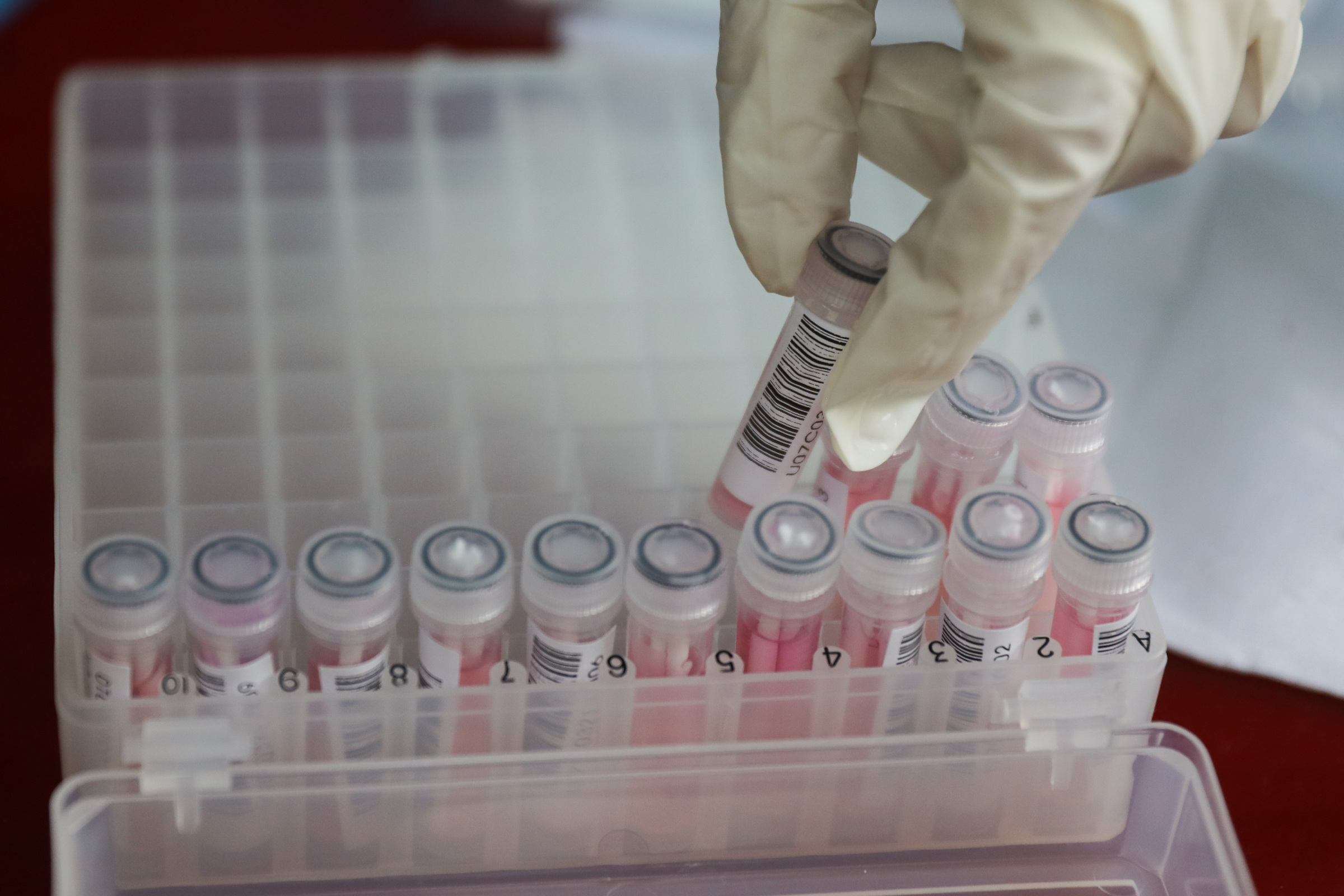 |
Medical staff collect test samples from residents in Ho Chi Minh City. Photo: Quynh Tran |
Medical staff collect test samples from residents in Ho Chi Minh City. Photo: Quynh Tran
According to Mr. Thuong, Ho Chi Minh City aims to enhance the capabilities of communal health stations, enabling them to become the "first point of medical contact" for residents. Primary healthcare staff will receive training, update their professional knowledge, and gain direct support from hospitals through remote consultations and teleconferences. This approach will allow many medical cases to be diagnosed, monitored, and treated at the grassroots level, similar to hospitals, thereby minimizing unnecessary referrals.
Health insurance (BHYT) examinations and treatment at communal health stations will ensure a full supply of medicines according to the regulated list. This reassures residents when utilizing BHYT services close to home. Ho Chi Minh City will also gradually boost the application of digital technology and artificial intelligence in health station operations. The AI model supporting x-ray reading and analysis, which has been effectively implemented at Thanh An island commune health station, is expected to be expanded. This will ensure that residents in remote areas continue to access quality healthcare services.
In emergency cases requiring hospital transfer, the 115 Emergency Center will continue to coordinate and support communal health stations, ensuring timely and safe patient transfers. Local disease prevention and control efforts will also be organized within each area, allowing for early detection and rapid response to community health risks.
According to the head of Ho Chi Minh City's health sector, communal health stations are the foundation of the healthcare system, regardless of their management model. These stations do not operate in isolation; they are connected and supported professionally, with human resources, and operationally by the entire system. This integrated approach ensures that residents receive continuous, safe healthcare directly from the grassroots level.
In the coming period, Ho Chi Minh City will prioritize investment in new construction or upgrading facilities for communal health stations, ensuring adequate space, equipment, and service conditions. Local authorities are required to proactively assess their current status and allocate suitable land and capital. The goal is to build a modern, well-equipped, and patient-friendly communal health station system.
Le Phuong