Thi had undergone several liposuction procedures at a spa to reduce abdominal fat, but without success. This time, she sought examination at Tam Anh General Hospital, Ho Chi Minh City.
Standing 1,54 m tall and weighing 65 kg, Thi had a body mass index (BMI) of 27,4. Doctor Pham Thi Thu Ha from the Department of Endocrinology and Diabetes diagnosed her with grade one obesity, fatty liver, dyslipidemia, and pre-diabetes. Her visceral fat index was 1,5 times the safe threshold, and her total body fat mass constituted more than 50% of her body weight. This accumulation of excess fat led to her fatty liver and dyslipidemia. Additionally, her abdominal area bore multiple scars from previous liposuction procedures.
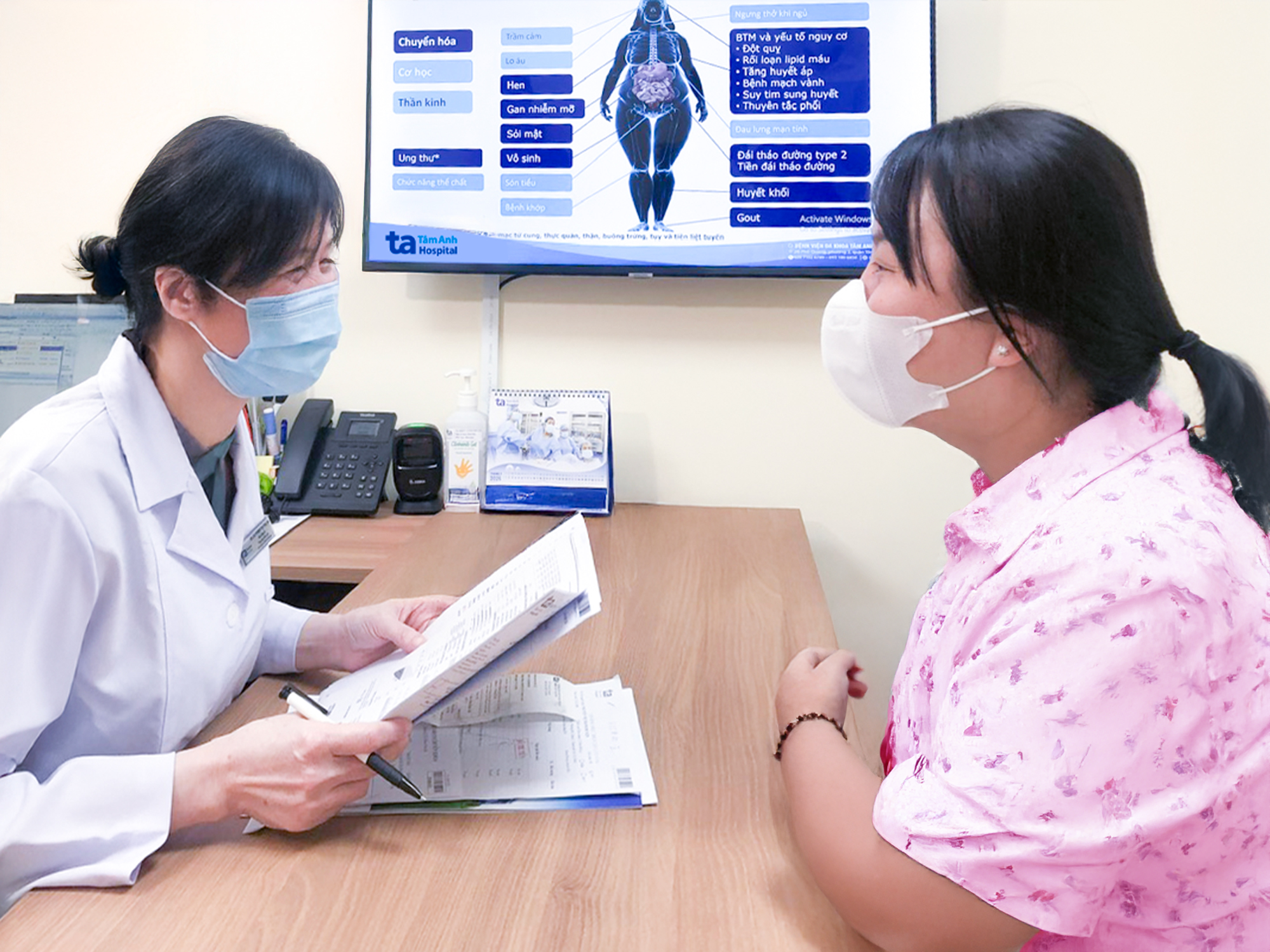 |
Doctor Ha explains Thi's body metrics based on her InBody scan results. *Photo: Tam Anh General Hospital* |
The doctor devised a weight loss regimen for Thi, combining medication with dietary adjustments and 20 minutes of daily exercise. After two months of adherence, Thi lost 7 kg, and by the end of the third month, she had lost a total of 10 kg. "This time, my weight loss was gentle and painless, unlike my previous liposuction experiences," Thi stated.
Doctor Ha clarified the distinction between liposuction and weight loss. Liposuction targets excess fat in specific body areas like the abdomen, thighs, and back to reduce localized fat and improve body contour. However, it does not significantly impact overall body weight. In contrast, weight loss focuses on reducing total body weight and improving general health.
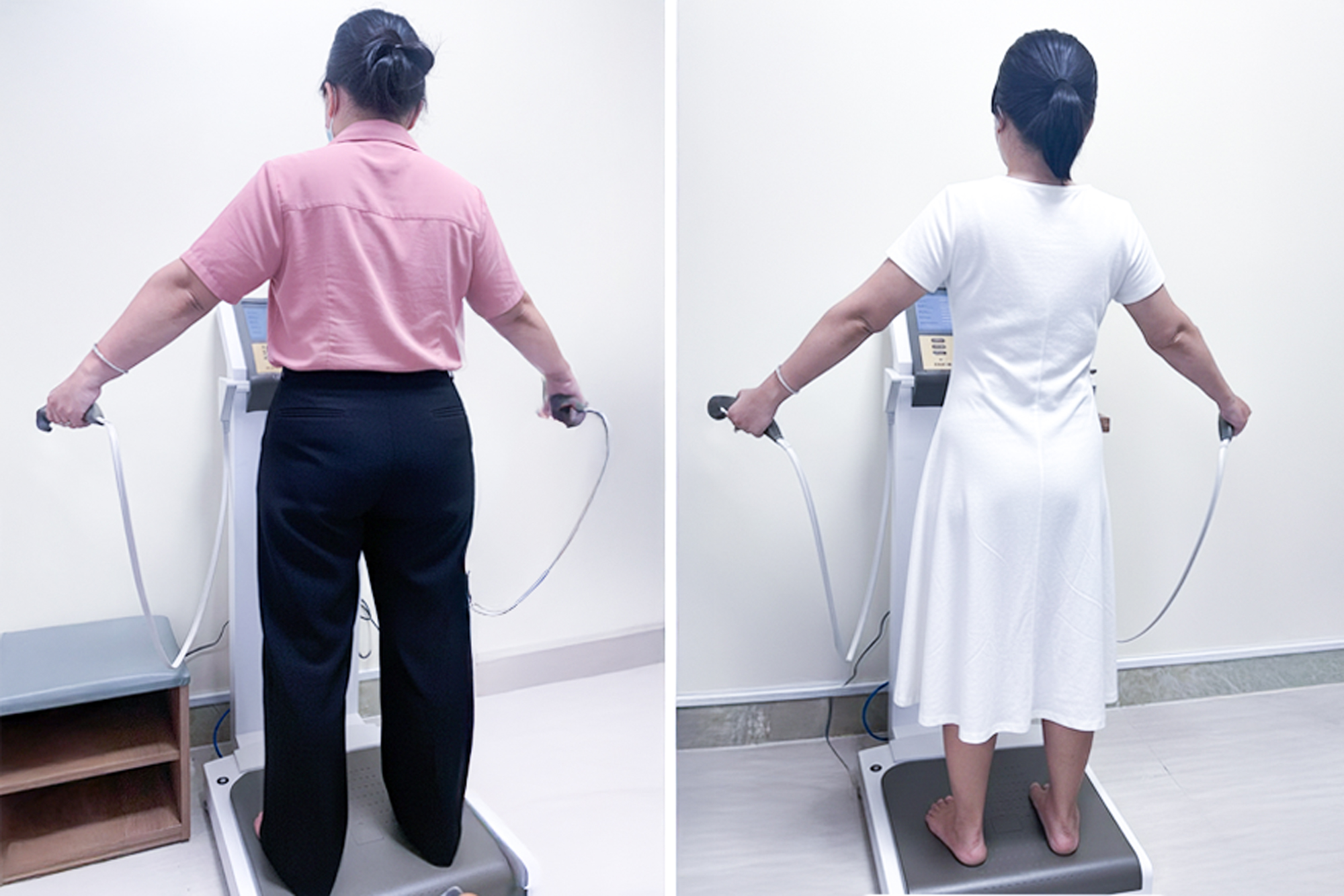 |
Thi lost 10 kg after three months of obesity treatment (right). *Photo: Tam Anh General Hospital* |
Liposuction typically results in a loss of only 1-3 kg, and weight easily returns if not combined with a scientific diet and exercise regimen afterward, as new fat cells continue to generate. According to Doctor Ha, liposuction is an invasive procedure with potential risks and severe complications, including infection, embolism, necrosis, and even death, especially when performed at unqualified facilities or with improper techniques.
The doctor advises against liposuction for elderly individuals, pregnant women, breastfeeding mothers, and those with cardiovascular disease, high blood pressure, diabetes, hemophilia, or pulmonary tuberculosis due to the high risk of complications. Obesity treatment should be pursued at reputable medical facilities or hospitals, involving a multidisciplinary approach and personalized care to maximize effectiveness.
Duc Hanh
* Character name has been changed
| Readers can submit questions about endocrine diseases here for doctors to answer. |