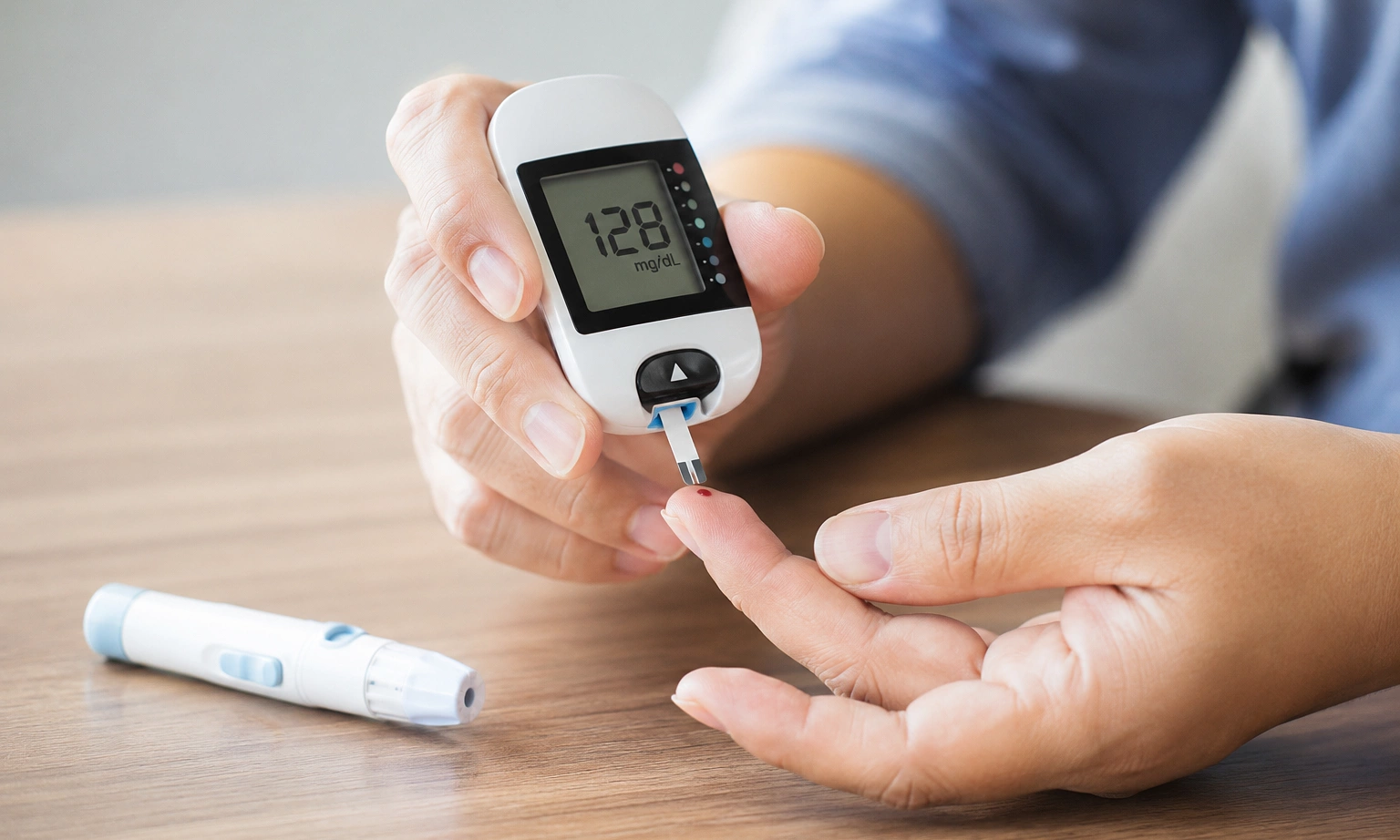
On 24/7, Tang Chi Thuong, director of the Ho Chi Minh City Department of Health, announced that the health sector is implementing a home health check-up model for the elderly, people with disabilities, those with chronic illnesses, and individuals who have difficulty traveling to health stations or hospitals.
Hiep Phuoc commune was one of the first localities to implement the initiative, establishing seven healthcare teams, each responsible for a residential area. After reviewing lists of residents unable to travel, medical staff proactively scheduled appointments and visited each household for check-ups.
During the initial phase, 145 residents in Hiep Phuoc commune received health check-ups at home. At each household, medical staff gathered medical history, conducted clinical examinations, measured blood pressure, pulse, and other vital signs, collected lab samples when necessary, assessed disease risks, and provided health counseling. Individuals with abnormal findings were advised or referred to medical facilities for further treatment.
Beyond examinations, all results are uploaded to electronic health records for long-term monitoring by local health stations. This enables better management of individuals with chronic illnesses, reminds them of follow-up appointments, and facilitates early detection of risk factors, moving beyond a single check-up.
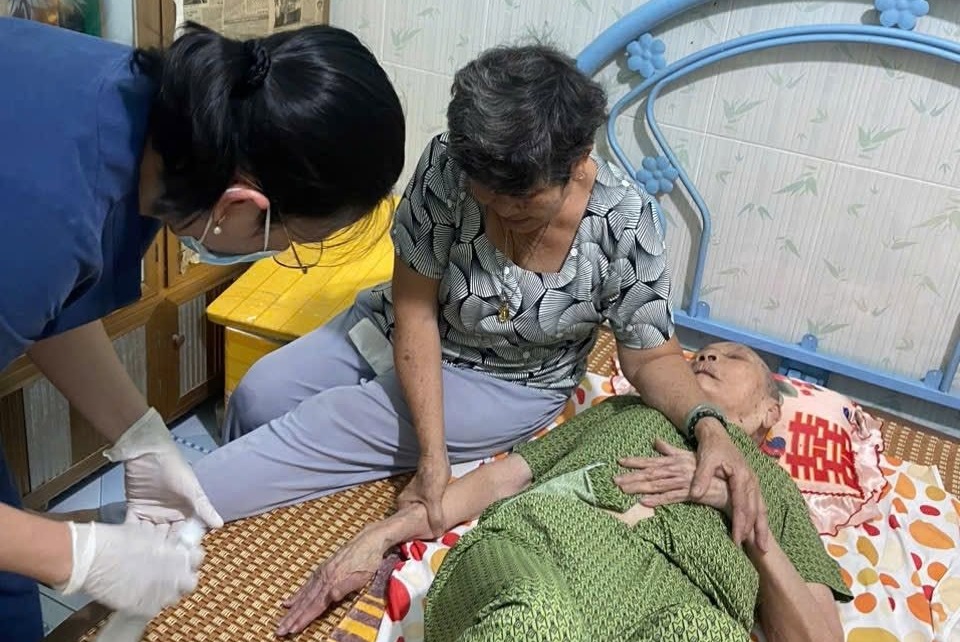 |
A healthcare team from Hiep Phuoc commune health station conducts a home health check-up for an elderly person. Photo: *Hiep Phuoc commune health station* |
According to Tang Chi Thuong, this model represents a shift in grassroots healthcare, moving from a mindset of "waiting for residents to seek care" to "proactively reaching out to residents". When doctors visit homes, family members also receive guidance on caring for the elderly and sick at home, proper medication use, and complication prevention.
To date, many communes and wards across Ho Chi Minh City have conducted at-home health check-ups for over 1,000 immobile individuals. In the future, health stations will continue to identify eligible cases for home examinations, provide post-check-up health monitoring, and facilitate referrals when patients require specialized treatment.
The home health check-up program is part of a broader plan to provide at least one screening and establish lifelong electronic health records for 100% of Ho Chi Minh City residents by 2026, including both permanent and temporary residents. This initiative launched on 25/5. On 16/7, Ho Chi Minh City began a 150-day intensive phase to accelerate the program, involving the entire healthcare system, public hospitals, and numerous private hospitals. As of 20/7, over 732,800 residents had received check-ups and had electronic health records created.
Le Phuong