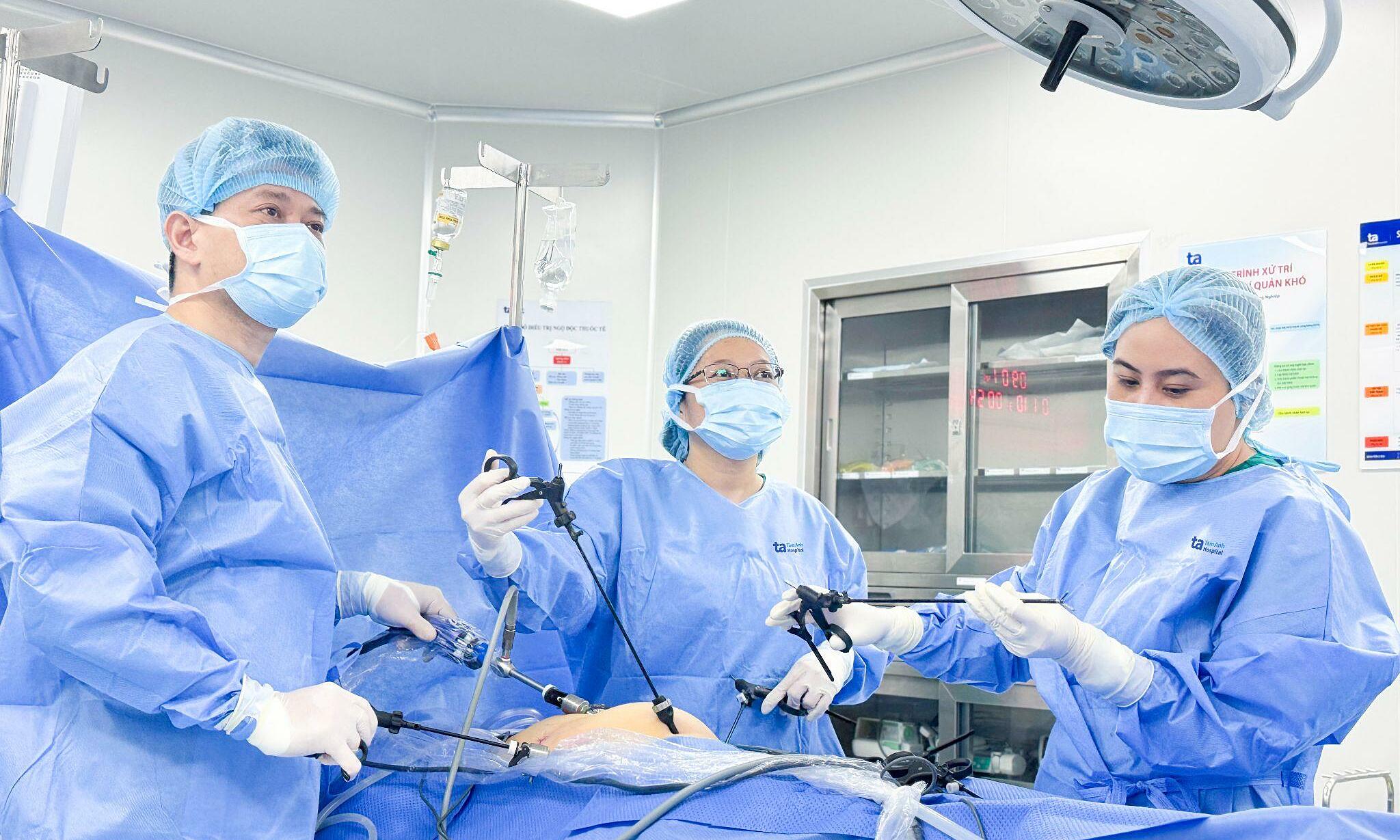
The eyes are particularly vulnerable to the effects of diabetes. When blood sugar levels remain high for extended periods, glucose accumulates in the lens and converts into sorbitol. This substance draws water into the lens, altering the structure of protein fibers and promoting oxidation, causing the lens to gradually lose its transparency and leading to cataracts.
High blood sugar also damages the small blood vessels that nourish the eyes. According to Healthline, chronic inflammation and oxidative stress from diabetes accelerate the aging of eye tissues, making individuals with the condition more susceptible to vision problems at a younger age than those without it. Ophthalmology experts also warn that cataracts can now appear in individuals in their 30s and 40s with diabetes or poor blood sugar control, rather than primarily in those over 60, as was previously common.
Cataracts are not the only complication. Individuals with diabetes face a higher risk of developing many other eye conditions.
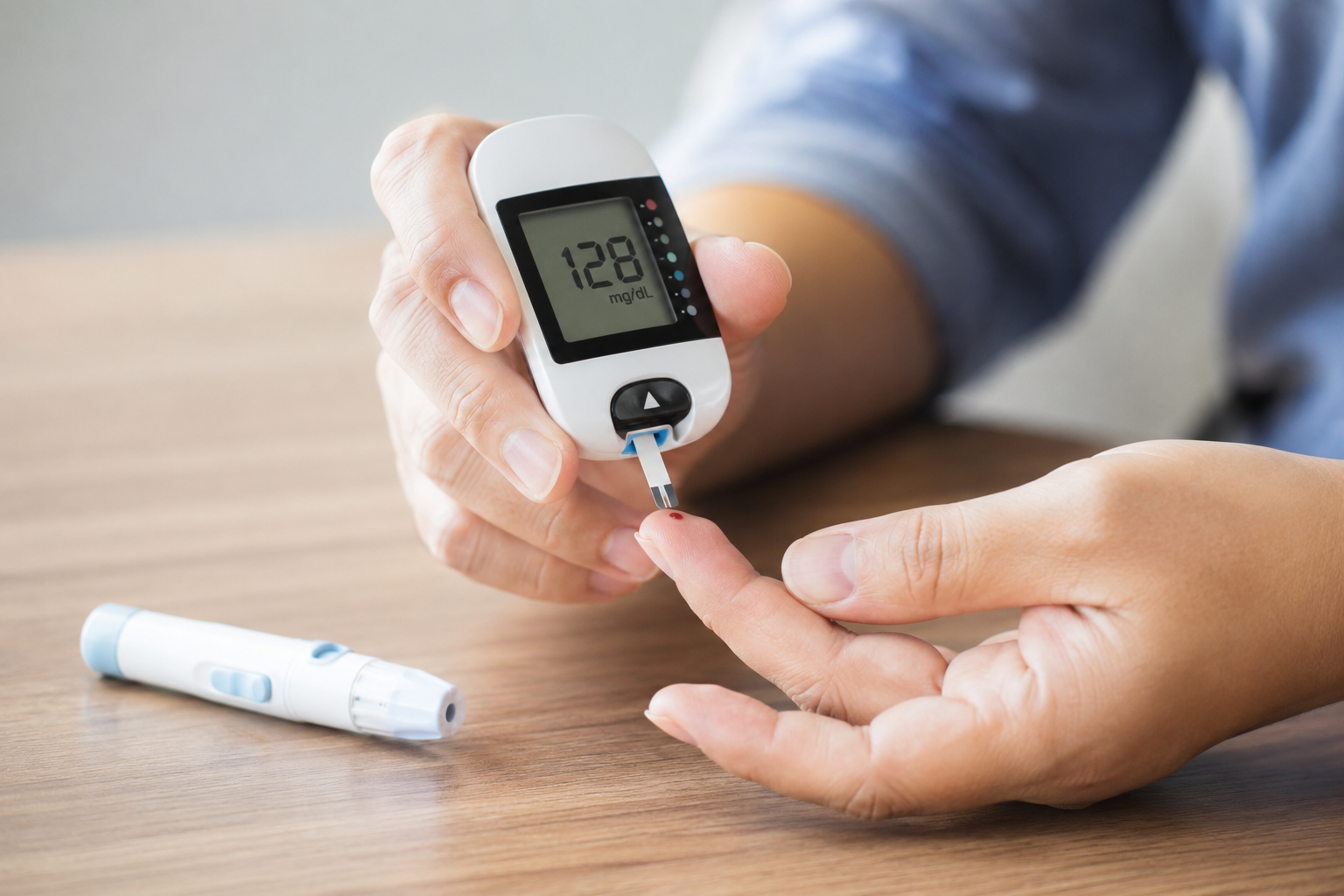 |
Blood sugar monitoring helps detect abnormal levels. *Image created by AI* |
Diabetic retinopathy is the most common complication. High blood sugar damages the capillaries in the retina, causing them to leak fluid or blood. In its early stages, the disease may not cause symptoms, but as it progresses, it can lead to blurred vision, black spots, distorted images, or vision loss.
Diabetic macular edema occurs when fluid leaks into the macula, the part of the retina responsible for sharp, detailed vision. Patients may experience blurred or distorted images, struggling with reading, driving, or recognizing faces.
Individuals with diabetes also have a higher risk of glaucoma. Sustained high eye pressure can damage the optic nerve, leading to irreversible vision loss if not detected and treated promptly.
Eye changes due to diabetes often progress silently. Patients should seek early examination if they experience symptoms such as blurred vision, glare in sunlight, difficulty seeing in low light, or the appearance of "floaters", black spots, or dark areas in their field of vision.
In some cases, vision can fluctuate with blood sugar levels. When blood sugar rises or falls suddenly, patients may experience blurred vision for a few days before their vision returns to normal once levels are controlled.
Experts at Verywell Health recommend good blood sugar control as the most important measure to protect vision. Maintaining HbA1c levels (average blood sugar over three months) within treatment targets, along with controlling blood pressure and blood lipids, helps reduce the risk of blood vessel damage in the eyes.
Patients should quit smoking, consume plenty of green vegetables, fruits, and omega-3-rich fish, wear UV-protective glasses outdoors, and maintain regular physical activity. Even without symptoms, individuals with diabetes should undergo regular eye examinations at least once a year, including a dilated fundus exam. Early detection of retinal or lens damage allows for timely treatment, limiting the risk of vision loss and blindness.
Bao Bao (Synthesized)
| Readers can submit questions about ophthalmic diseases here for a doctor's response. |