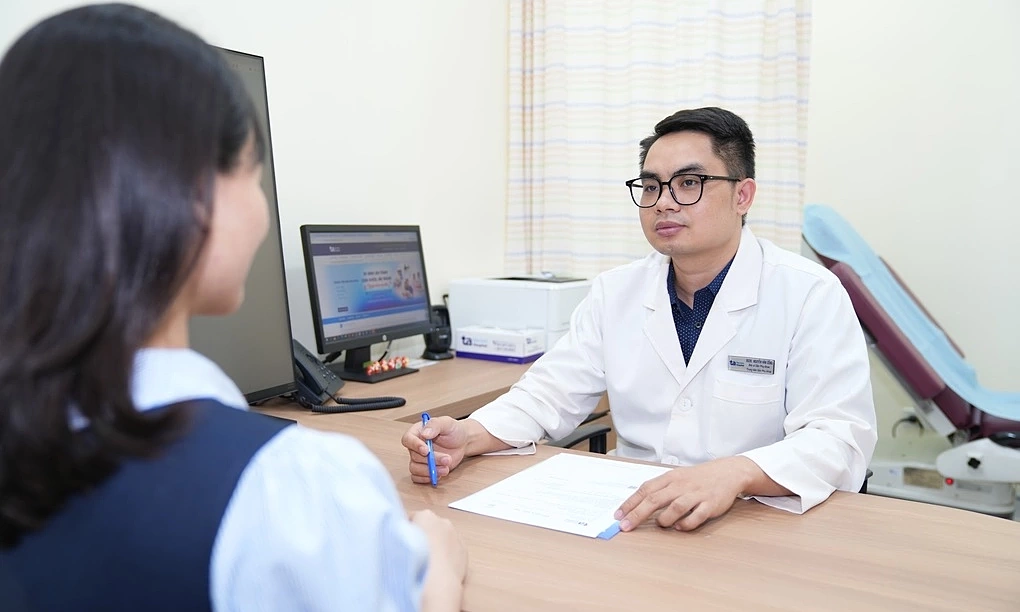
This large-scale school health check-up drive, funded by Hanoi's budget, is taking place city-wide. The program runs from 18/8 to 4/9 at schools or mobile locations. During the initial three days, 18-20/8, many wards and communes simultaneously launched the screenings, including Yen Hoa, Cau Giay, Giang Vo, Ngoc Ha, Ha Dong, Long Bien, Gia Lam, Dong Anh, Me Linh, Hoai Duc, Chuong My, My Duc, and Ung Hoa.
The objective of this screening campaign is to complete health checks for all children and students in the area before the new academic year. It also aims to build comprehensive health data for long-term monitoring, early disease detection, and school health care.
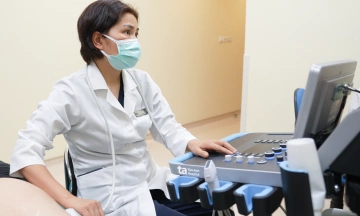
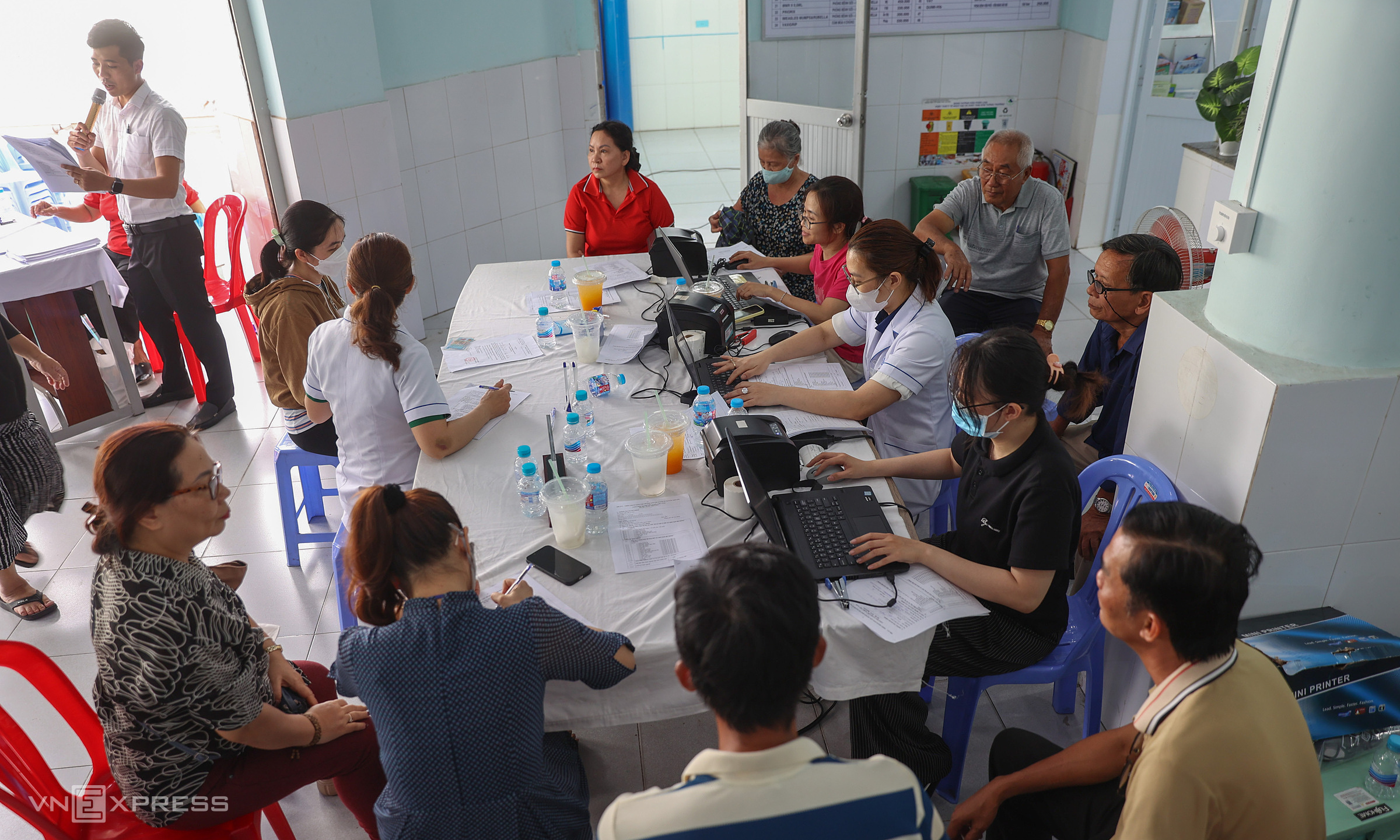
According to the Hanoi Department of Health's plan, 168 medical examination and treatment facilities have been mobilized for the program. Screening points are organized with a one-way process: from reception, nutrition and development assessment, vital sign measurement, and clinical examination, to conclusion, counseling, and result notification for parents.
Children under six years old undergo checks for nutrition, psychomotor development, vaccination status, and specialist examinations including eyes, ear-nose-throat, dental, respiratory, cardiovascular, musculoskeletal, nervous system, and autism risk detection.
Students from six to under 18 years old have their family and medical history, vaccination records, and physical health examined, along with pediatric, eye, ear-nose-throat, and dental-maxillofacial specialists, and other relevant assessments. Cases requiring laboratory tests or subclinical diagnoses will be referred according to health insurance regulations.
Examination results and professional advice are expected to be sent to parents or caregivers within 24-48 hours. Students unable to attend the scheduled check-up will be identified by their schools and local health stations for supplementary examinations.
Examination results are updated and linked with the city's Electronic Health Record System and shared platforms of the Ministry of Health. Health information is also integrated into electronic student records, aiming for continuous student health management throughout their development.
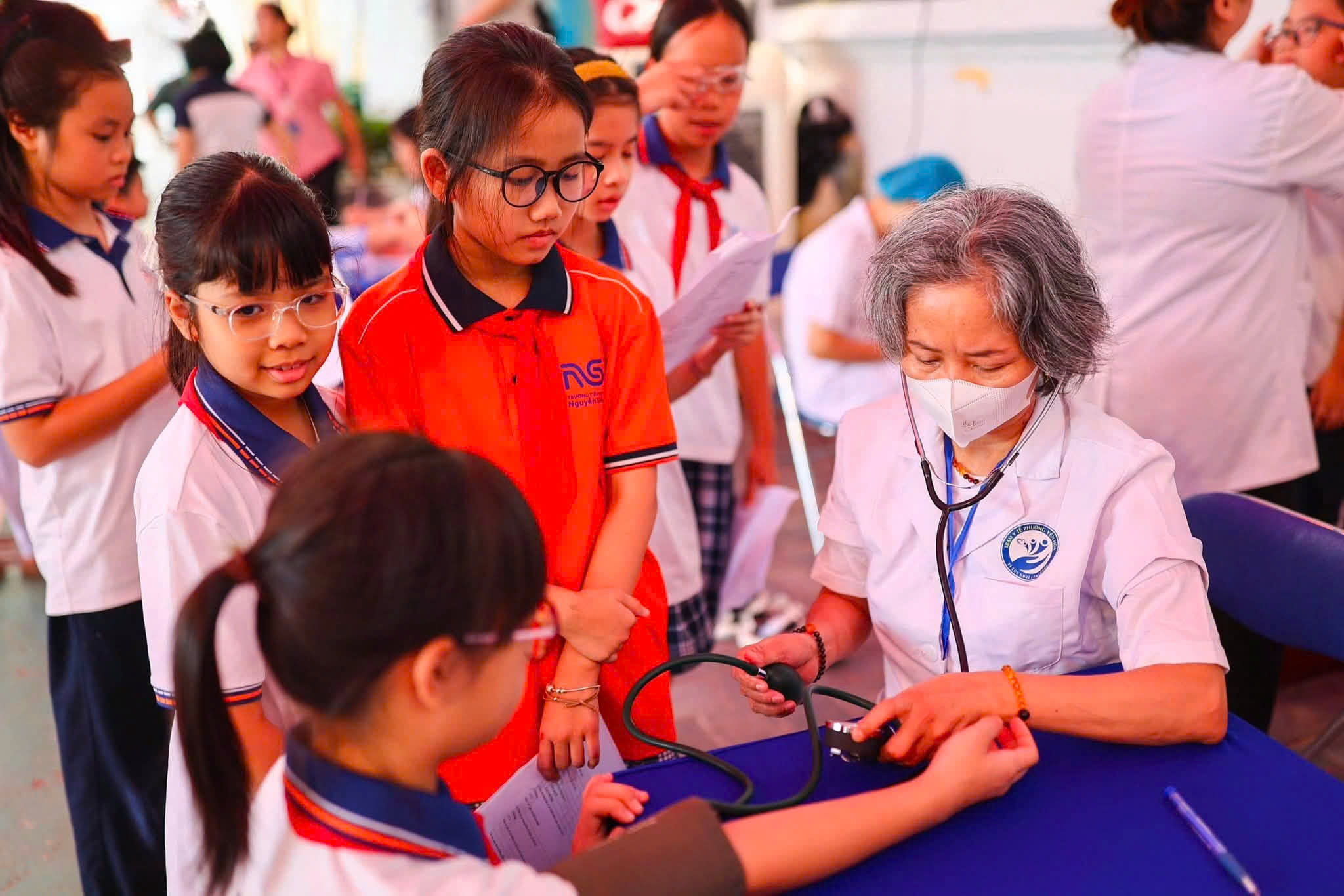 |
Students in Hanoi receive free health check-ups. *Photo: Dieu Linh* |
Check-ups at schools or mobile locations
For high school students, Hanoi prioritizes organizing check-ups directly at schools. Preschool children receive combined examinations during vaccination sessions at health stations or at their schools. Family childcare groups may also have centralized screenings organized.
Hanoi is thus the second locality nationwide to organize large-scale free health check-ups and common disease screenings for its residents. Previously, from mid-April, TP HCM launched a program offering free screenings for various medical conditions and electronic health record creation for residents aged 18 and older. This plan is being implemented in various areas sequentially until the end of the year.
Nationwide, the Ministry of Health plans to organize free periodic health check-ups or screenings starting in 2026, prioritizing vulnerable groups before expanding to all citizens. This initiative concretizes Politburo Resolution 72, aiming for universal free periodic health check-ups and progressing towards basic medical fee exemption by 2030.
Le Nga