Eng English
China 中国人

Eng English
China 中国人
  • News
  • World
  • Business
  • Entertainment
  • Sports
  • Law
  • Education
  • Health
  • Lifestyle
  • Travel
  • Science
  • Digital
  • Automobiles
  • Trở lại Thể thao
  • Health
Monday, 7/9/2026 | 08:20 GMT+7

Leg necrosis due to arterial blockage

Mr. Hoa, 86, had to undergo amputation of the lower one-third of his left thigh due to complete blockage of the leg's nourishing artery from years of atherosclerosis.

Doctor Do Anh Tuan, from the Cardiology Center at Tam Anh General Hospital, Ho Chi Minh City, reported that Mr. Hoa was admitted with a severely painful, purplish-black left foot and difficulty walking due to limb ischemia. Angiography revealed a complete blockage of the main artery supplying the left leg, along with narrowing of the iliac and calf arteries caused by atherosclerosis and blood clots. Blood flow to the left foot was almost entirely obstructed, leading to prolonged oxygen deprivation in the tissues and progression to necrosis.

According to doctor Tuan, Mr. Hoa's condition resulted from years of progressive atherosclerosis. He had several risk factors, including dyslipidemia, hypertension, and type 2 diabetes. Blood test results upon admission showed LDL-C at 160 mg/dL, significantly higher than the target for individuals with high cardiovascular risk.

Previously, Mr. Hoa had a coronary stent placed due to coronary artery disease. Doctor Tuan noted that this indicated atherosclerosis affected multiple vascular systems in his body.

As the leg necrosis was unsalvageable, Mr. Hoa underwent a limb amputation, removing the lower one-third of his left thigh. Two weeks after the surgery, his health stabilized, and he was discharged.

The medical team performing surgery on the patient. Photo: Provided by the hospital.

Master, Doctor Doan Vinh Binh, from the Medical Information Center at Tam Anh General Hospital, Ho Chi Minh City, explained that dyslipidemia is common but often overlooked because it does not cause symptoms for an extended period. High LDL-C silently deposits in artery walls, triggering an inflammatory response and forming atherosclerotic plaques. Over time, as cholesterol accumulates, these plaques enlarge, narrowing the arterial lumen and reducing blood flow to the heart, brain, kidneys, and limbs, which can lead to myocardial infarction or stroke.
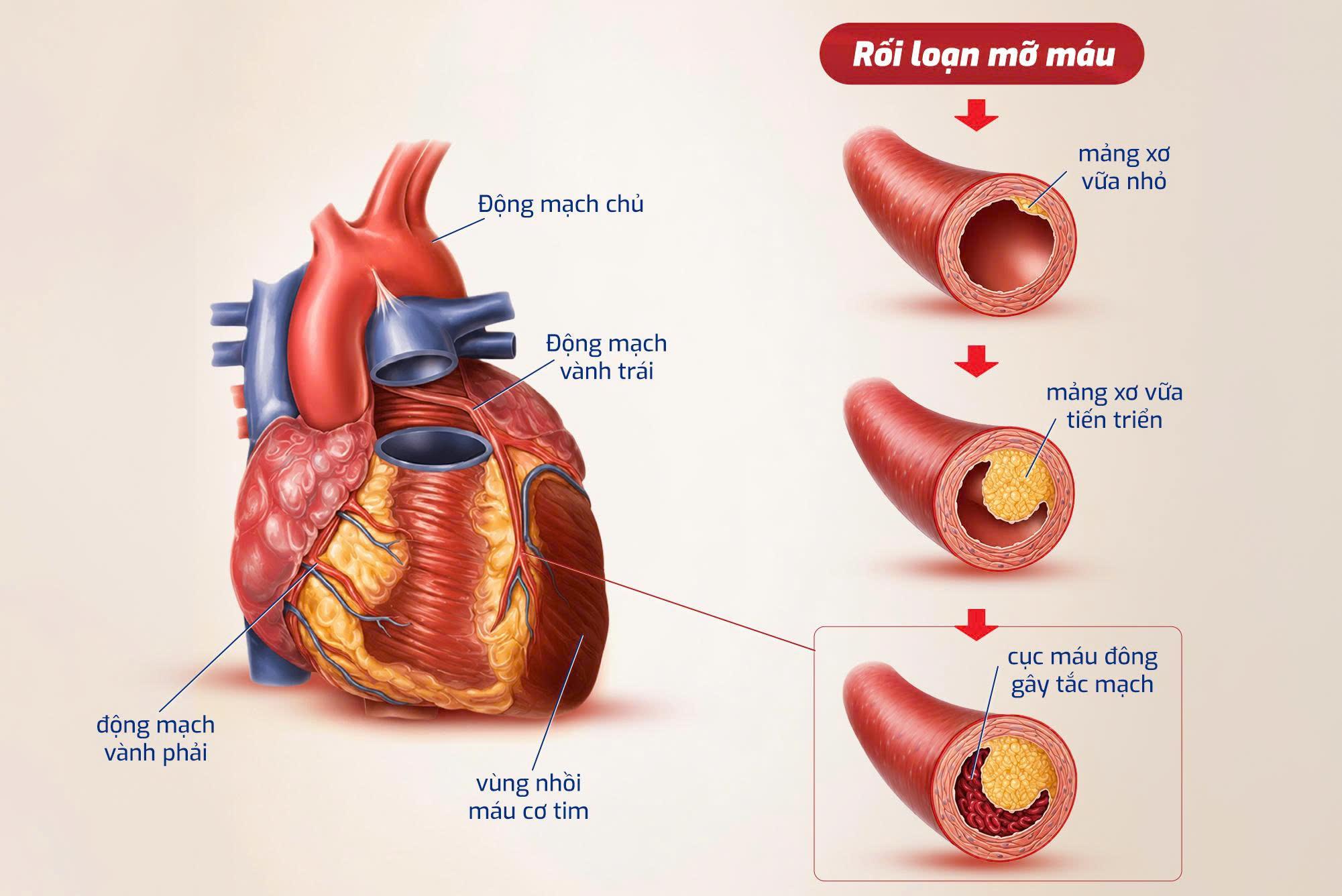
Mechanism of atherosclerotic plaque formation and progression from dyslipidemia, causing arterial narrowing, blockage, and myocardial infarction. Photo: Eco Pharmaceuticals.

Doctor Binh advises that upon detecting high cholesterol, even at mild levels, patients should adhere to medical advice and treatment. They should proactively adjust their diet, increase physical activity, manage weight, quit smoking, and control any co-existing conditions such as hypertension or diabetes. Supplementing with natural extracts like GDL-5 (Policosanol) from South American sugarcane pollen can support cholesterol management and reduce the risk of atherosclerosis. Patients need regular follow-up appointments to monitor treatment effectiveness and cholesterol levels.

Dinh Dieu

*Patient's name has been changed

Readers can submit questions about cardiovascular disease here for doctors to answer.
By VnExpress: https://vnexpress.net/hoai-tu-chan-do-tac-dong-mach-5117236.html
Tags: arterial blockage dyslipidemia leg necrosis

News in the same category

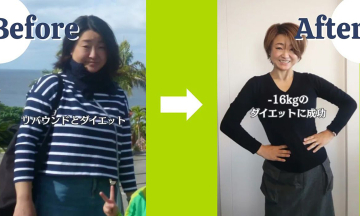
Japanese mother loses 16 kg by weighing and measuring every meal

Japanese mother loses 16 kg by weighing and measuring every meal

At 53, a Japanese woman weighing 65 kg lost 16 kg through precise meal portioning, becoming a television model.

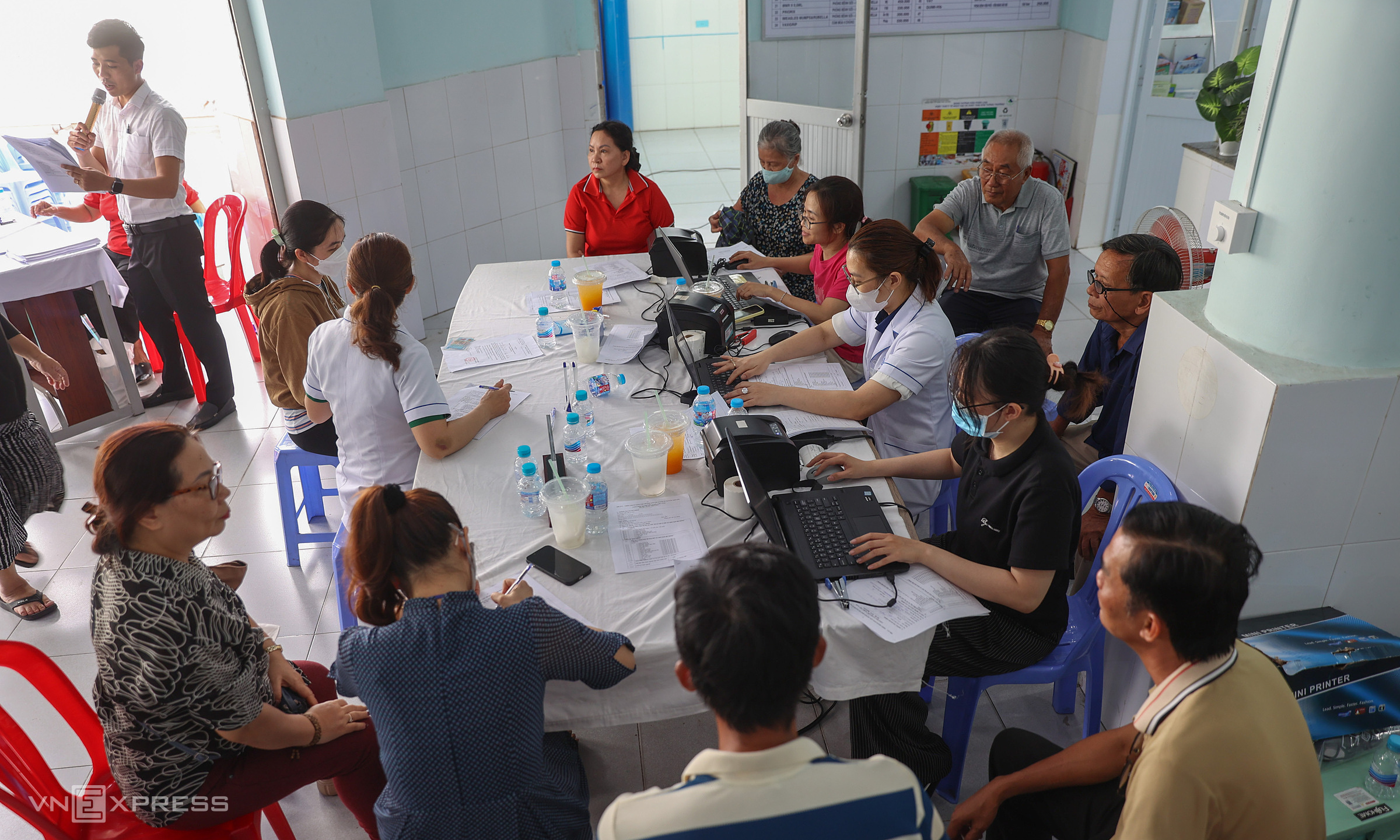
How individuals with workplace health check-ups update national electronic records

How individuals with workplace health check-ups update national electronic records

Some residents in Ho Chi Minh City, despite having workplace health check-ups, are still invited by local wards for free public examinations to update electronic records.

6 habits that can increase the risk of kidney failure

6 habits that can increase the risk of kidney failure

Holding urine, uncontrolled blood pressure and blood sugar, and self-medicating with antibiotics can subtly increase the risk of kidney failure.

6 ways to help your body fall asleep faster

6 ways to help your body fall asleep faster

Relaxing muscles, writing down worries, keeping the bedroom cool, and reducing noise and light can help you fall asleep quickly.

Is snoring a sign of healthy sleep?

Is snoring a sign of healthy sleep?

Many mistakenly believe snoring indicates deep, quality sleep; however, it can be an early warning sign of serious health issues.

Why women need to replenish energy after intimacy

Why women need to replenish energy after intimacy

After intimacy, a woman's body expends energy; replenishing fluids, having a protein-rich snack, and getting adequate rest aid recovery and reduce fatigue.

Three dinner habits that can cause stress and insomnia

Three dinner habits that can cause stress and insomnia

Skipping dinner or eating heavily close to bedtime can lead to digestive issues, lower blood sugar, and increase stress and irritability.

Does vaccination introduce viruses into the body?

Does vaccination introduce viruses into the body?

Some people claim that getting vaccinated actually introduces viruses and bacteria into the body, making individuals more susceptible to illness afterward. Is this true? (Phuong Tra, 58, Hanoi)

Common misunderstandings about uric acid

Common misunderstandings about uric acid

Elevated uric acid means having gout, and simply avoiding meat, seafood, or fasting helps control this index are common misconceptions.

7 ways to achieve thicker hair

7 ways to achieve thicker hair

Using volumizing shampoos, regularly massaging the scalp, and consuming protein-rich foods can help make hair stronger and thicker.

Eng English
China 中国人
  • News
  • World
  • Business
  • Entertainment
  • Sports
  • Law
  • Education
  • Health
  • Lifestyle
  • Travel
  • Science
  • Digital
  • Automobiles
FPT Tower, 10 Pham Van Bach Street, Dich Vong Ward,
Cau Giay District, Hanoi, Vietnam
Email: contacts@vnportal.net
Tel: 028 7300 9999 - Ext 8556
Advertise with us: 090 293 9644
Register
© Copyright 2026 vnnow.net. All rights reserved.
Terms of use Privacy policy Cookies