Ms. Tran, 40, experienced a sudden and unusual growth spurt, increasing her height by 5 cm. This was accompanied by frequent menstrual irregularities, persistent fatigue, and an alarming symptom: her breasts began secreting milk despite her not being pregnant. Concerned, she sought medical attention at Tam Anh General Hospital, TP HCM. Diagnostic tests revealed her pituitary hormone levels were 30 times higher than normal, with prolactin specifically recorded at 870 ng/ml, significantly above the normal range of below 29 ng/ml.
Master, Doctor of Second Degree Specialist Tran Nguyen Quynh Tram, Deputy Head of the Department of Endocrinology - Diabetes, explained that Ms. Tran had a tumor over 1 cm in diameter located beneath the pituitary fossa, at the base of the skull. This tumor was responsible for an overproduction of growth hormone (GH), which caused her continued growth well past puberty. The excess hormones also led to notable changes in her appearance: her once rounded face became angular and coarse, her nose and lips thickened, and her hands and feet enlarged, a condition known as acromegaly. Additionally, her teeth became misaligned, and she suffered from excessive sweating and high blood pressure.
 |
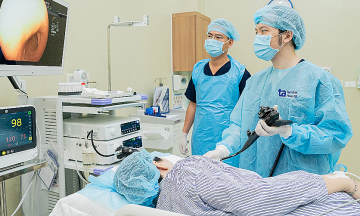
Doctor Tram re-examines Ms. Tran. *Photo: Tam Anh General Hospital* |
The breast milk secretion and menstrual irregularities Ms. Tran experienced were directly linked to the pituitary tumor's overproduction of prolactin. Prolactin is a hormone vital for regulating mammary gland development and milk production in women. When prolactin levels become excessively high, they can trigger various disorders, including infertility, menstrual irregularities, and galactorrhea, which is the secretion of a milk-like discharge.
Further investigation revealed a family history of multiple endocrine neoplasia type 1 (MEN1) syndrome, a genetic condition that causes tumors in multiple endocrine glands. According to Doctor Tram, this genetic predisposition might have contributed to the development of Ms. Tran's pituitary tumor.
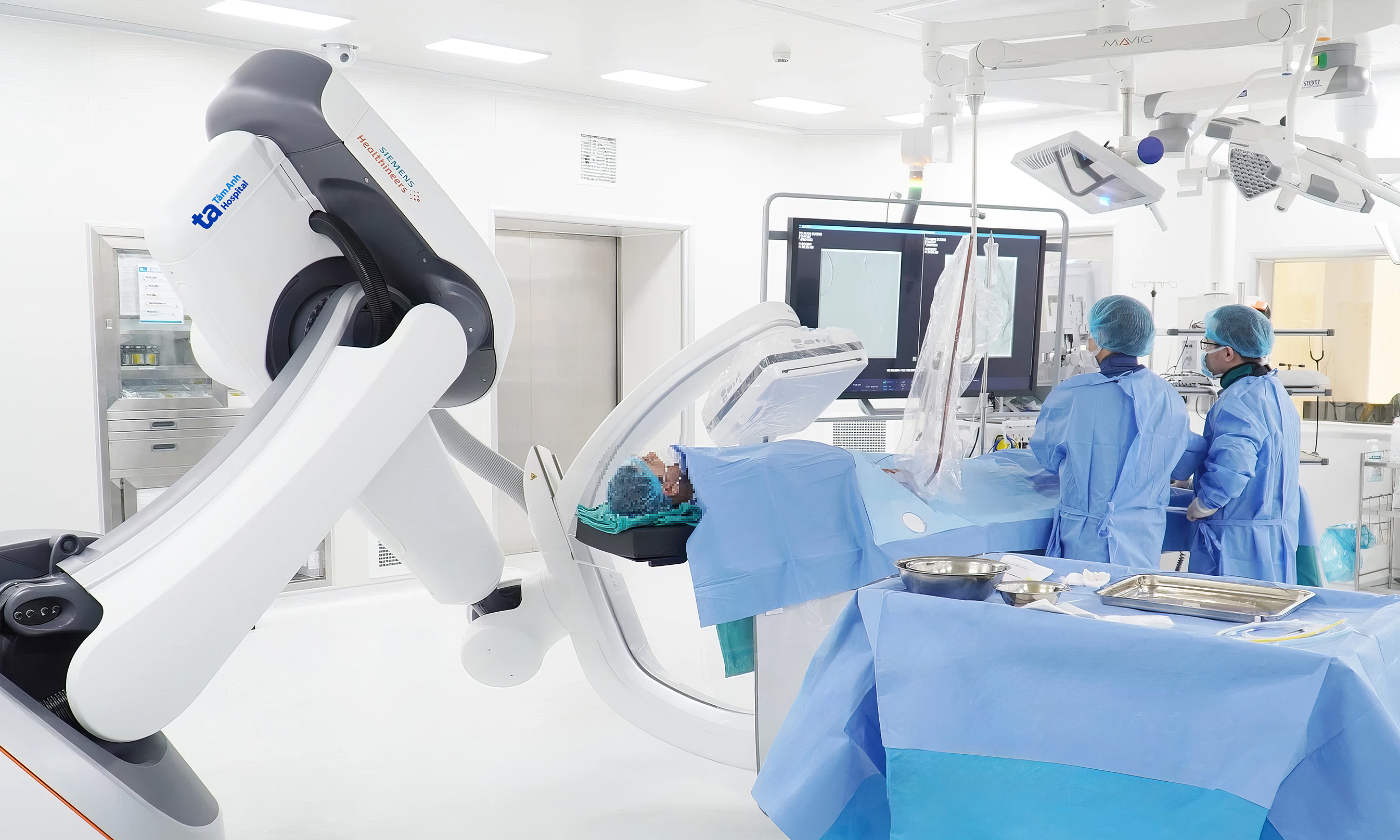
Ms. Tran underwent surgery to remove the pituitary tumor using an endoscopic transnasal approach. The surgical team successfully removed the tumor in two hours, carefully avoiding damage to crucial nearby structures such as blood vessels, nerves, and brain tissue.
Five days after the surgery, Ms. Tran's condition significantly improved. She no longer experienced headaches, her breasts stopped secreting milk, and her blood pressure was well-controlled. She continues to attend follow-up appointments to monitor her recovery.
Most pituitary tumors are benign and can be effectively treated with medication, surgery, or radiation therapy. However, a small percentage of these tumors can become more aggressive, leading to recurrence or malignancy (cancer) and potentially spreading to other parts of the body.
Symptoms of pituitary tumors are often subtle and non-specific, making early detection challenging. Patients typically seek medical attention only after the tumor has grown sufficiently to cause noticeable hormonal imbalances or visible physical changes. Doctor Tram emphasizes the importance of regular health check-ups to detect any abnormalities early and ensure timely and effective treatment, which significantly impacts the success rate of pituitary tumor management. The success of treatment largely depends on factors such as the timing of diagnosis, the specific type and size of the tumor, the patient's overall health, and the chosen treatment method.
Bach Duong
*Patient's name has been changed
| Readers can submit questions about endocrine diseases here for a doctor's response. |