Loan and her husband, both 28, have been married for four years. Previously, they felt healthy and, believing they were young, wanted to conceive naturally without pre-pregnancy check-ups. At times, Loan noticed unusual vaginal discharge: it was more abundant, green or yellow, and had a foul odor. She attributed this to work and life stress causing hormonal changes.
Loan often thought gynecological inflammation was common for women due to hygiene challenges compared to men, and she had never researched HPV. As they approached 30 without children, the couple grew anxious and underwent pre-pregnancy health checks together. Results showed both were infected with HPV 16 and 51, two high-risk strains linked to cancer. Consequently, the family prioritized treatment before attempting pregnancy.
"But six months later, I still haven't cleared this virus, and I'm very anxious," Loan said.
 |
The couple felt sad after a long marriage with difficulty conceiving. *Illustration: Vecteezy* |
Doctor Nguyen Duc Ba Dat, Medical Manager at VNVC Vaccination System, explained that HPV is primarily transmitted sexually. There are over 200 types, with about 40 affecting the genital, oral, and throat areas. Most adults have been infected with HPV without knowing it, as the virus rarely causes symptoms and can clear itself within one to two years, though it can still be transmitted to others.
Research indicates that women with HPV infections may experience reduced fertility, while men can have impaired sperm quality. A high viral load in women also increases the risk of miscarriage. The lifetime prevalence of HPV infection is over 91% in men and nearly 85% in women, yet there is no specific treatment available.
Doctor Dat recommends prevention through a healthy lifestyle, safe sexual practices, avoiding sharing personal items, and undergoing regular gynecological exams and cervical cancer screenings. Couples should also have pre-pregnancy health checks and screening for sexually transmitted diseases. HPV vaccination is an effective measure to prevent the disease.
 |
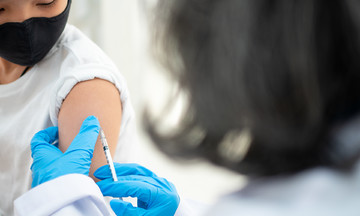
Young women receiving HPV vaccine in preparation for pregnancy. *Photo: Hoang Duong* |
Vietnam currently offers two types of vaccines that protect against common HPV strains. The Gardasil vaccine protects against four types that cause genital warts and cervical cancer in females aged 9-26. Females aged 9 to under 14 receive two doses, 6-12 months apart, while those aged 14-26 receive three doses.
The newer generation Gardasil 9 vaccine protects against nine types that cause genital warts, as well as cervical, vaginal, vulvar, oropharyngeal, and anal cancers. This vaccine is administered to both males and females aged 9-45. Children aged 9 to under 15 receive two doses, 6-12 months apart, and individuals aged 15-45 receive three doses within six months.
When administered with the full number of doses and on schedule, the vaccine offers over 90% protection against HPV-related cancers and genital warts. Initial studies suggest that HPV vaccination in infected men may support better viral clearance, thereby indirectly improving some factors related to fertility. However, HPV vaccines are intended for prevention, not treatment.
Hoang Yen
*Character's name has been changed.