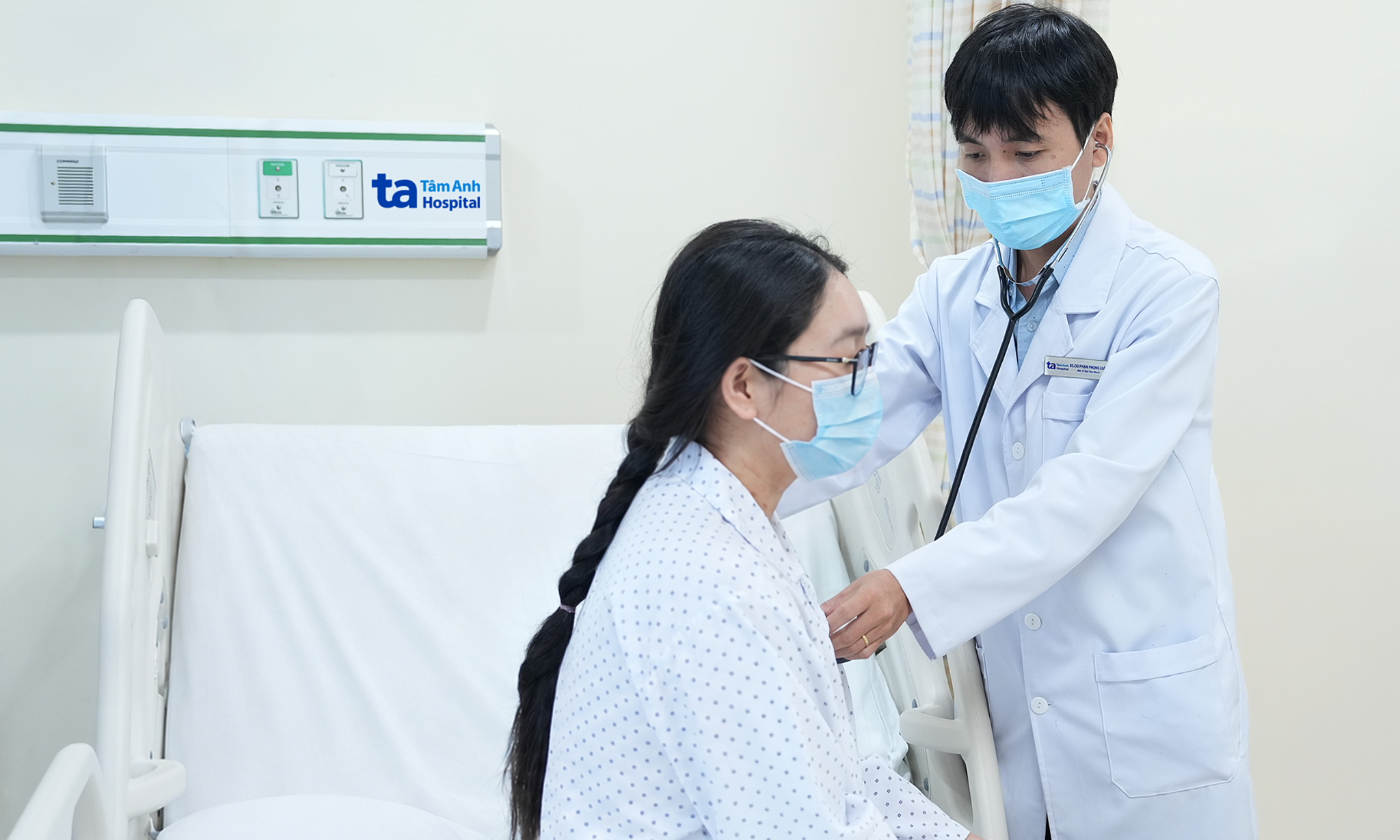
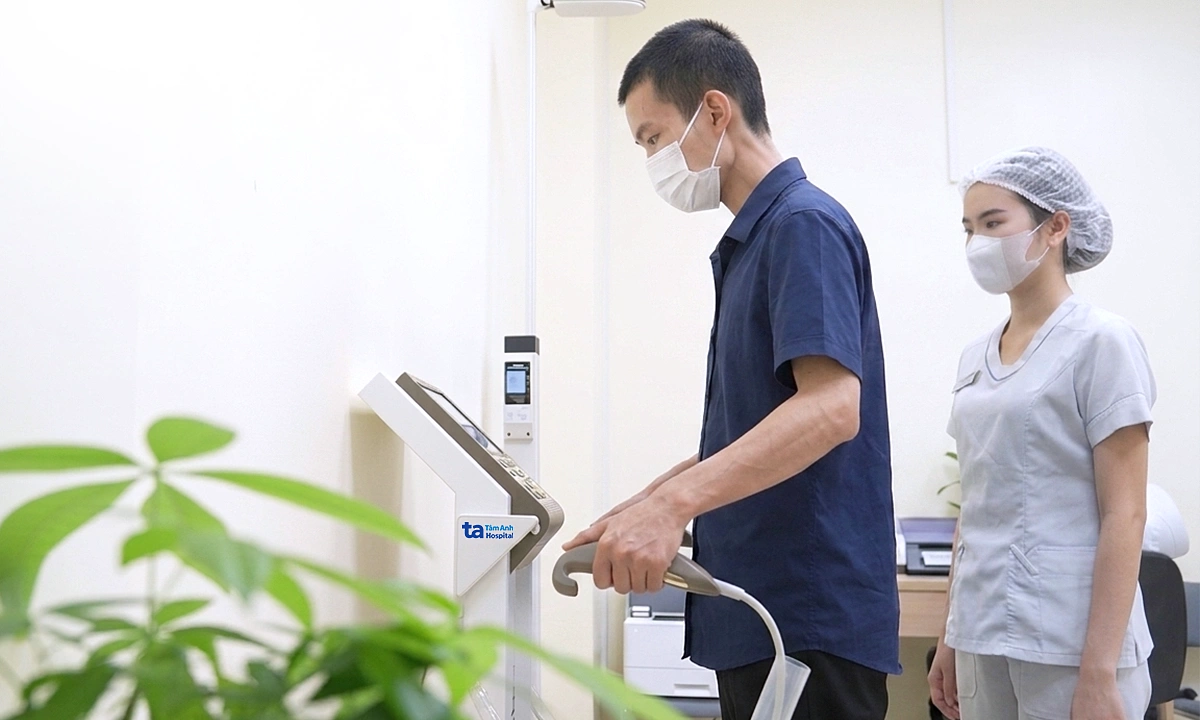
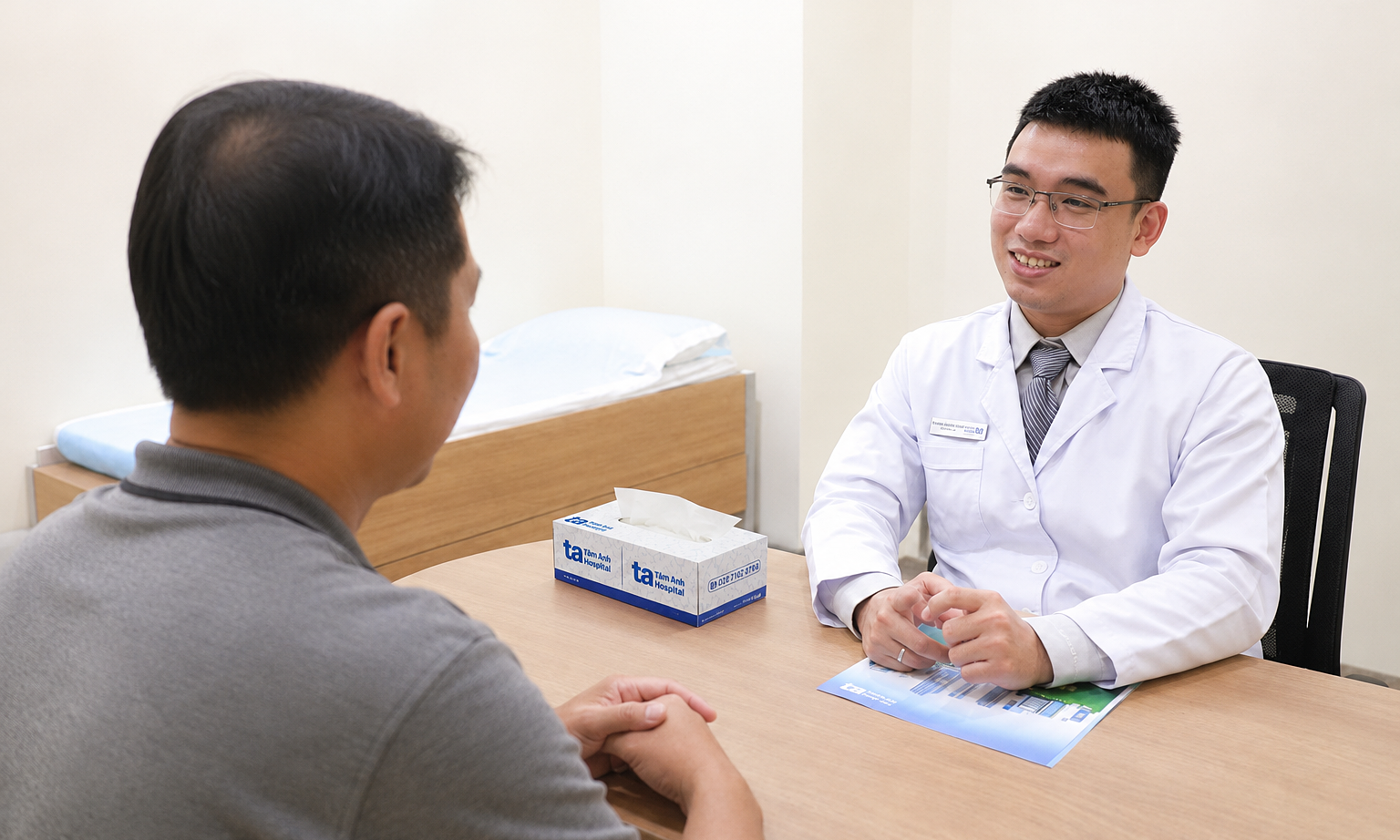
My experienced severe cramping in her lower right abdomen, accompanied by nausea. She was initially monitored for appendicitis at a local medical facility, but after nearly an hour, her pain did not subside, leading to her transfer to Tam Anh General Hospital, Ho Chi Minh City. Dr. Ngo Thi Binh Lua, from the Obstetrics and Gynecology Center, noted the pregnant woman's intense pain in the right iliac fossa and prescribed intravenous fluids, painkillers, and antispasmodics.
An ultrasound revealed a 9-week intrauterine pregnancy with a fetal heart rate of 172 beats/minute. However, her right ovary was swollen. Doctors diagnosed the pregnant woman with right adnexal torsion (right ovary) accompanied by a dermoid cyst. This was a critical condition requiring immediate surgery to prevent danger to both the mother and the fetus.
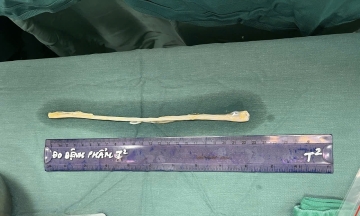
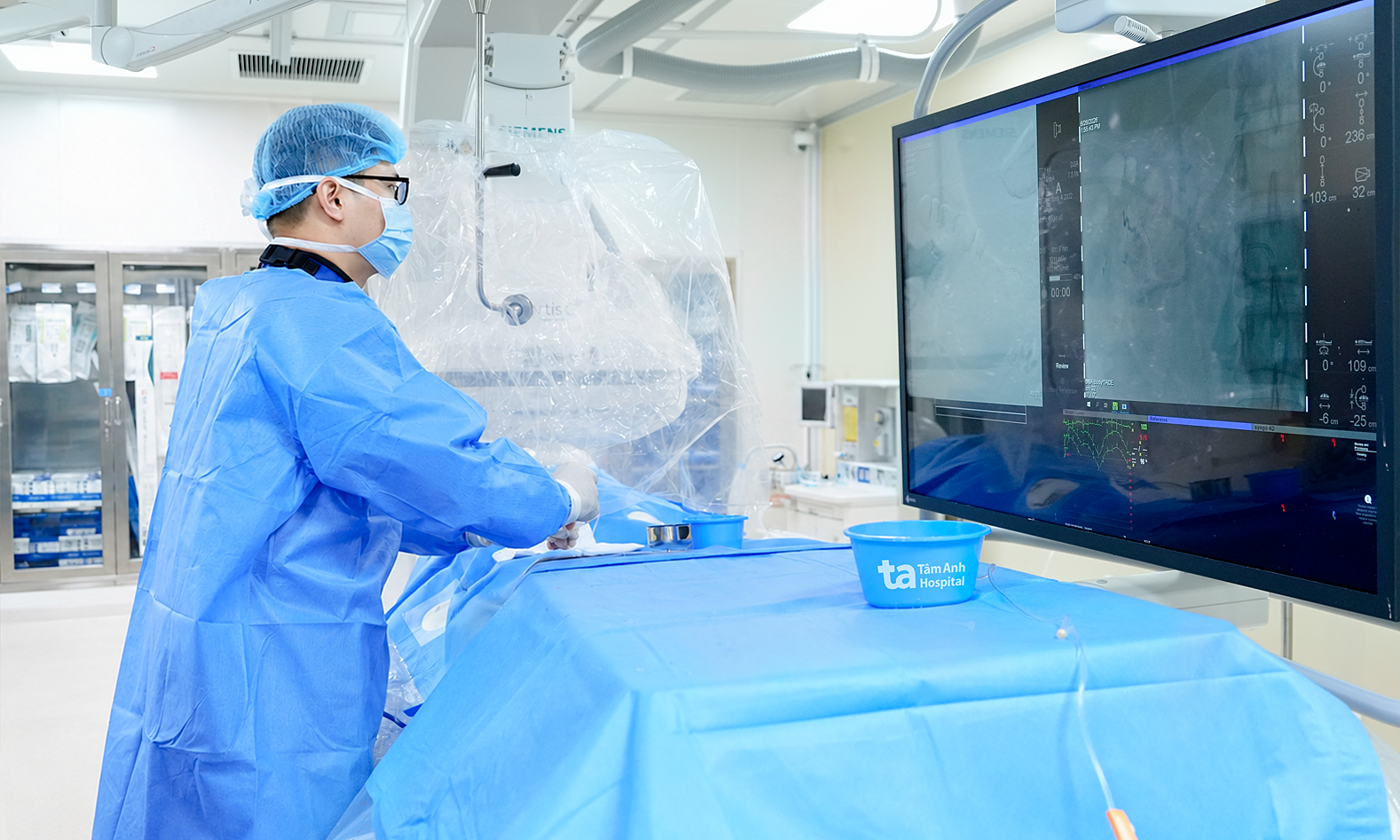
During laparoscopic surgery, the medical team discovered that the ovarian tissue had become necrotic, necessitating its removal to prevent complications.
Dr. Lua explained that not all cases of ovarian torsion require removal of the ovary. The extent of ovarian damage depends on the duration and degree of the torsion. In some instances, even after several days of torsion, if the twisted pedicle is loose and blood flow is partially maintained, the ovary can recover after detorsion.
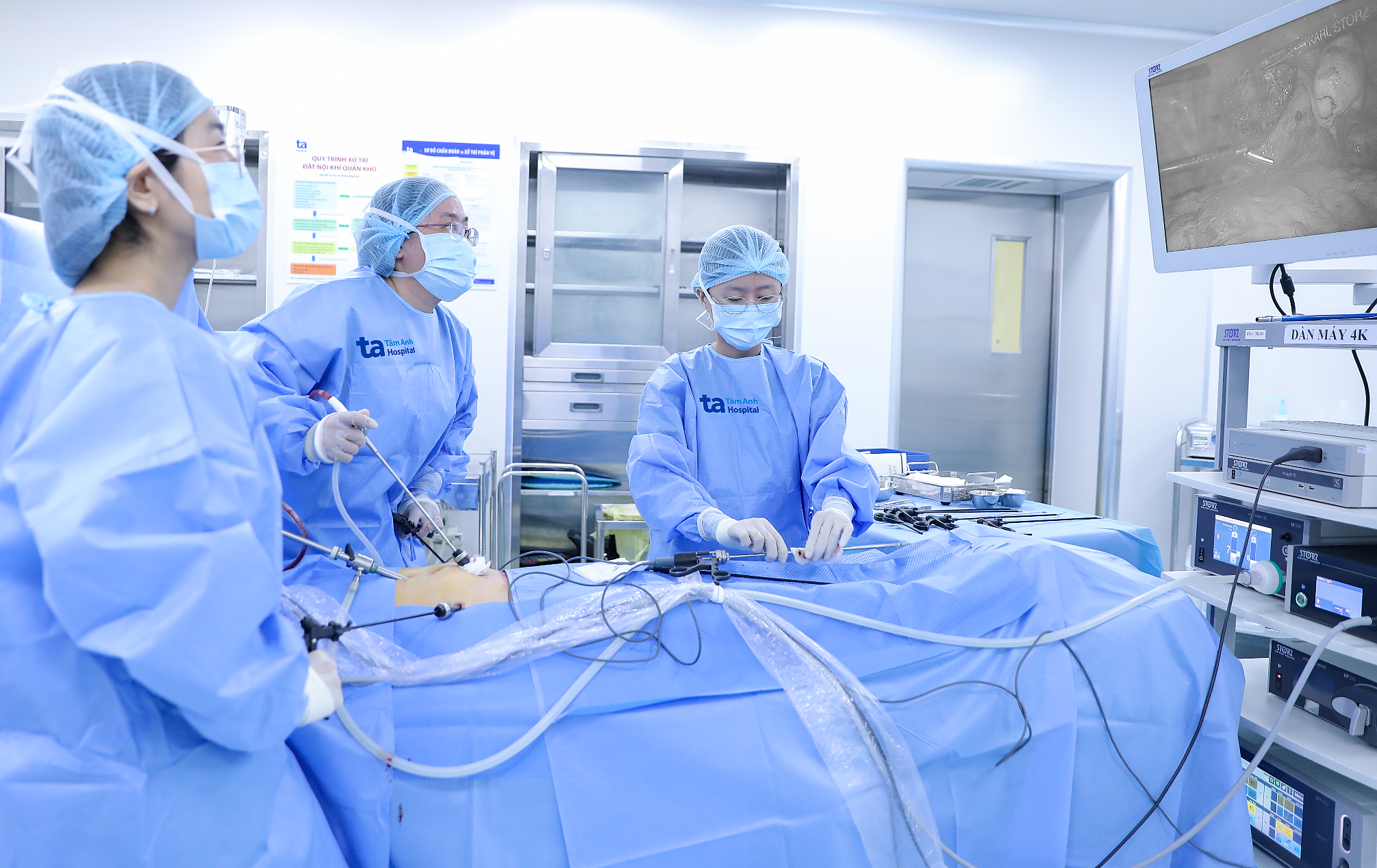 |
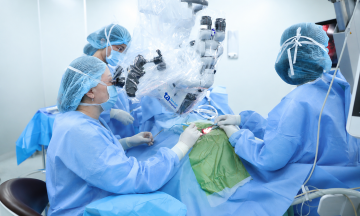
Dr. Lua (center) and the Obstetrics and Gynecology Center team perform laparoscopic surgery to treat My's ovarian torsion. *Photo: Tam Anh General Hospital*
Following the surgery, an ultrasound confirmed a stable fetal heart rate. The pregnant woman recovered well and will continue to be monitored and receive hormonal medication until the end of her 12th week of pregnancy. She needs to rest, avoid strenuous activity, and immediately seek hospital care if she experiences abdominal pain, bleeding, vaginal discharge, fever, or any other unusual symptoms.
According to medical literature, ovarian torsion in pregnant women with large ovarian tumors (most commonly dermoid cysts) accounts for approximately 10-25% of adnexal torsion cases during pregnancy, primarily occurring in the first trimester. Women with ovarian cysts or dermoid cysts, or those who have undergone infertility treatment, are at higher risk. The condition is often mistaken for appendicitis or gastrointestinal and urinary tract diseases. Pregnant women experiencing severe, prolonged lower abdominal pain should undergo early examination and Doppler ultrasound to identify the cause and receive timely treatment.
Minh Tam
| Readers can submit questions about pregnancy and childbirth here for doctors to answer. |