The patient experienced abdominal pain for about three days before being admitted to the hospital. Blood test results at Tam Anh General Hospital, TP HCM, showed elevated white blood cells at 14,58 G/L and CRP at 14,4 mg/L, indicating acute inflammation in the body, though not specific to pregnancy. Combined with acute abdominal pain symptoms and an ultrasound revealing a right ovary swollen to approximately 73×87×48 mm (three to five times its normal size), Dr. Nguyen Thi Thanh Tam, from the Obstetrics and Gynecology Center, diagnosed the pregnant woman with complete torsion of the right fallopian tube and ovary – a dangerous obstetric emergency.
According to Dr. Tam, most cases of ovarian torsion occur in the first or second trimesters, with about 5-10% occurring in the third trimester, as in Ngoc's case. Due to the influence of pregnancy hormones, ovaries can become hyperstimulated, leading to increased size and weight, thus raising the risk of torsion. If a pregnant woman has no history of ovarian tumors, torsion symptoms are easily mistaken for common digestive disorders during pregnancy, leading to delayed diagnosis.
Ngoc's pregnancy was at 32 weeks; her enlarged uterus compressed and displaced the ovary, fallopian tube, and intestinal loops. Therefore, doctors found it difficult to perform transvaginal ultrasounds and accurately assess the damage.
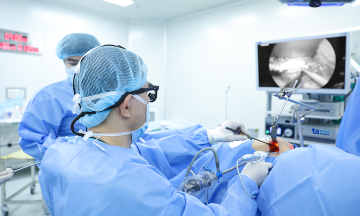
Following a consultation, the surgical team performed an open surgery to access the ovary and determine the extent of the torsion. Given the advanced pregnancy, which posed a risk of compressing abdominal organs and affecting respiration and hemodynamics during anesthesia, the doctors carefully calculated medication dosages and closely monitored blood pressure, respiration, and fetal heart rate throughout the operation.
Upon opening the abdomen, the team observed that the right ovary and fallopian tube were severely twisted, purplish-black, and necrotic due to lack of blood supply. As preservation was not possible, the entire right adnexa had to be removed to prevent rupture, hemorrhage, infection, and toxicity, which could threaten the lives of both the mother and the baby.
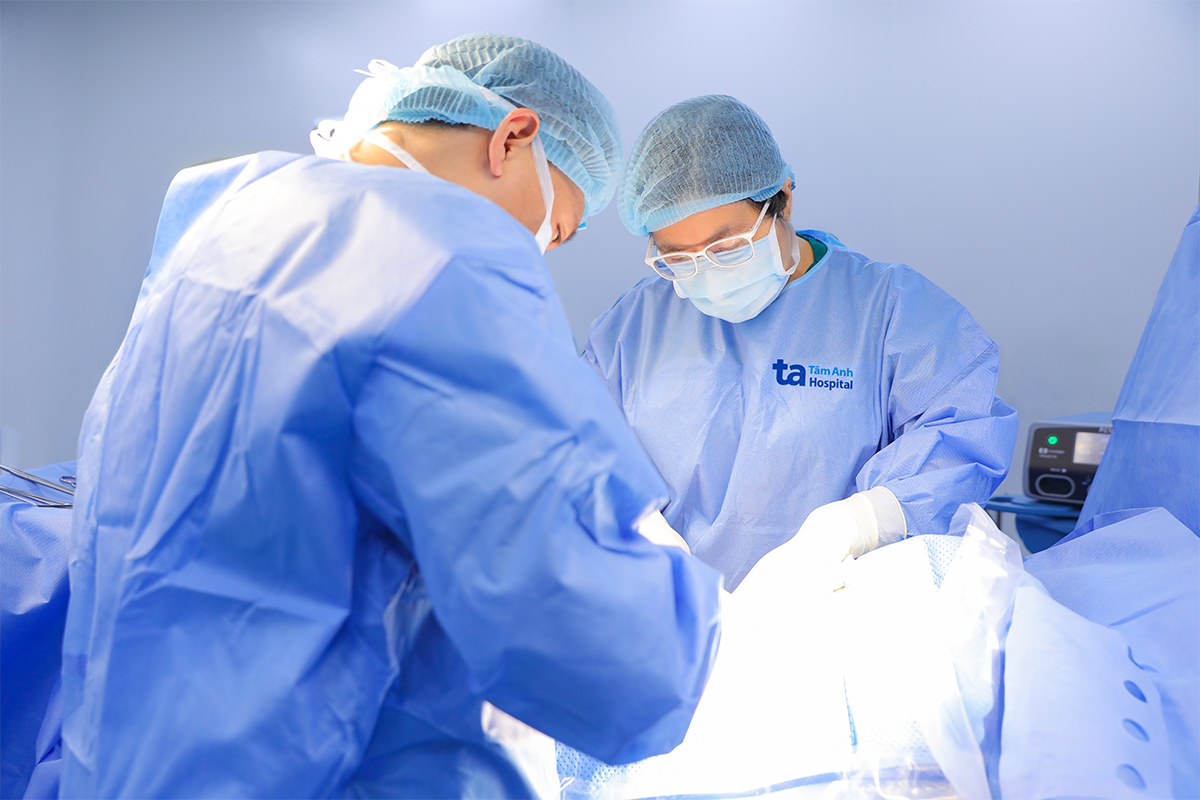 |
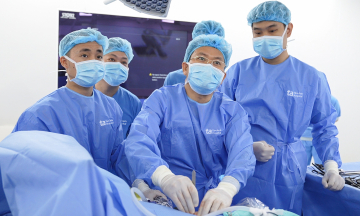
The medical team surgically removed the right ovary and fallopian tube, ensuring Ngoc's pregnancy was safe. *Photo: Tam Anh General Hospital*
After surgery, the fetal heart rate was stable, and Ngoc showed no signs of preterm labor. Doctors administered antibiotics, pain relievers, and medication to reduce uterine contractions to maintain the pregnancy.
One week later, the pregnant woman's blood pressure suddenly rose to 170/110 mmHg. Doctors diagnosed severe, rapidly progressing pre-eclampsia, posing risks of liver damage, kidney damage, seizures, and fetal distress. Doctors performed an elective C-section; the baby girl was born at 33 weeks, weighing nearly 1,8 kg, and received intensive care at the Neonatal Intensive Care Unit (NICU).
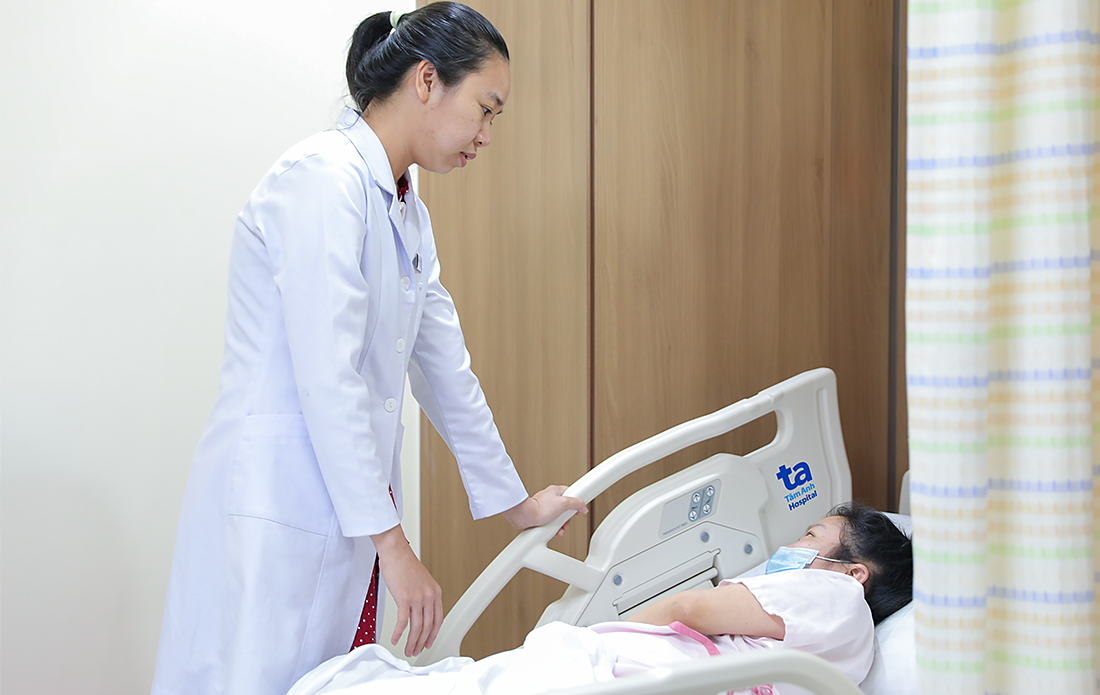 |
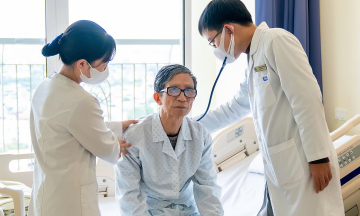
Master of Science, Doctor Tran Thi Thanh Thao examines patient Ngoc before discharge. *Photo: Tam Anh General Hospital*
After the C-section, the patient's blood pressure and severe pre-eclampsia symptoms were tightly controlled. Dr. Tran Thi Thanh Thao, from the Obstetrics and Gynecology Center, administered medication and managed seizure prevention for the patient.
Dr. Thao advises pregnant women to attend all prenatal check-ups and monitor their health closely. If symptoms such as headache, swelling, epigastric pain, blurred vision, increased blood pressure, prolonged abdominal pain, nausea, or excessive vomiting occur, pregnant women should seek medical attention immediately.
Minh Tam
* Patient's name has been changed
| Readers can send questions about obstetrics and gynecology here for doctors to answer |