For decades, colorectal cancer was largely considered a concern only after age 50. However, this reality is changing. Gastroenterologists worldwide are noting an increasing trend: the number of people in their 20s, 30s, and 40s diagnosed with colorectal cancer is higher than ever before, according to the Times of India.
On The Mel Robbins Podcast, Dr. Trisha Pasricha, a gastroenterologist and professor at Harvard Medical School, shared that one of the biggest scientific questions today that particularly concerns her and scientists globally is why this disease is affecting younger demographics. She also outlined common symptoms of early-onset colorectal cancer, applicable to all ages.
The first sign to note is persistent abdominal pain. Lingering cramping, dull aches, or bloating that does not resolve is a warning sign. People often confuse ongoing abdominal discomfort with irritable bowel syndrome (IBS), food sensitivities, or common indigestion, especially when the pain is intermittent. However, there is a significant difference between occasional digestive issues and pain lasting for weeks or months.
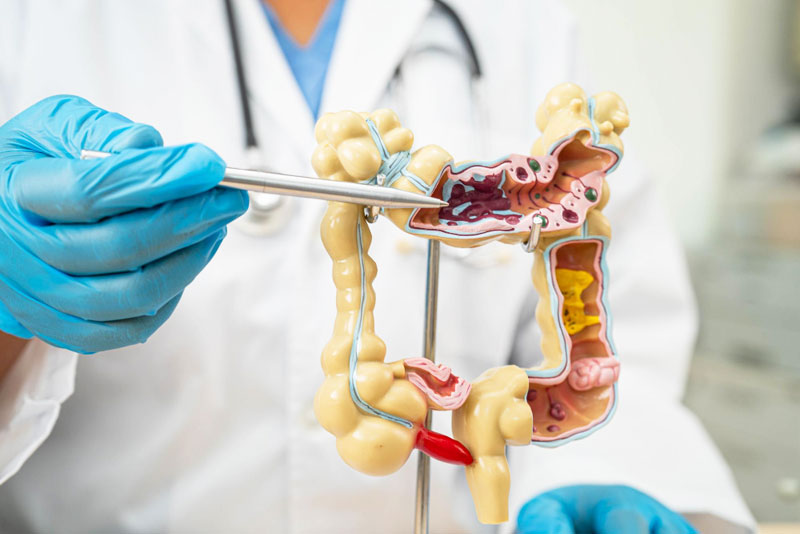 |
Illustration: Gastrodelhi
Additionally, bleeding during bowel movements (rectal bleeding) is one of the most recognizable, yet frequently ignored, warning signs. Many people assume blood in the toilet bowl is definitely due to hemorrhoids or blame their diet and self-medicate. While hemorrhoids can cause minor bleeding, if this condition persists, medical consultation is essential. Younger individuals often overlook this sign due to embarrassment about discussing it with a doctor or deeming it too trivial for a medical visit. However, any rectal bleeding lasting more than a few days or recurring should not be dismissed.
Another important sign, often underestimated, especially in young women, is iron-deficiency anemia. Many consider this a normal part of life rather than a potential warning sign of colon cancer. Professor Pasricha explained that blood test results showing smaller than normal red blood cells indicate the body is losing iron.
For women, iron-deficiency anemia often manifests as fatigue. In such cases, both patients and doctors often attribute this to menstruation, which can lead to significant blood and iron loss. However, if accompanied by other symptoms, or if menstrual flow is light but anemia persists, individuals should pay close attention and not dismiss it.
Finally, changes in bowel habits are considered the most important yet most easily overlooked signs, simply because they are vague. Any alteration in bowel movements, such as sudden diarrhea, constipation, or any disruption to normal physiological patterns, can be dangerous indicators.
 |
Dr. Trisha Pasricha, professor of medicine at Harvard Medical School. Photo: Trisha Pasricha
According to Pasricha, stool shape can change abruptly from thick to very thin. In fact, there have been cases where celebrities shared that the only symptom they experienced was a change in bowel habits. "Initially, they attributed it to coffee or other factors, but when dietary changes didn't alleviate the situation, the disease was discovered", the doctor said, advising that if any discomfort arises, individuals should not wait or reassure themselves it's normal, but seek medical advice immediately.
Binh Minh (According to Times of India)