The proposal was made by Professor Nguyen Van Kinh, Vice Chairman of the Vietnam Medical Association, at a workshop held at 108 Military Central Hospital on July 28. The event, in response to World Hepatitis Day, was co-organized by the Vietnam Association for the Study of Liver Diseases, focusing on new advancements in the prevention and treatment of hepatitis, cirrhosis, and liver cancer.
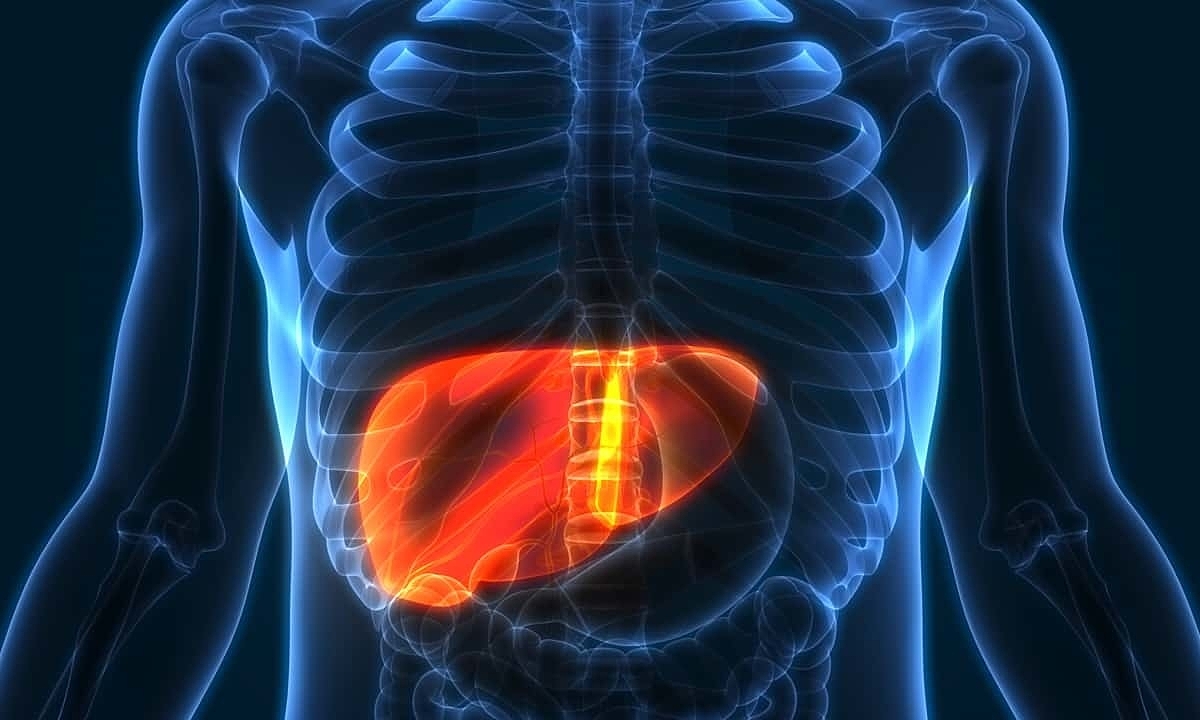
According to Professor Kinh, hepatitis B and C viruses are the primary causes of cirrhosis and liver cancer in Vietnam. Many developed countries have significantly reduced incidence rates through decades of vaccination and screening programs. Vietnam, however, remains among the countries with a high infection rate globally, with over 6 million people suffering from chronic hepatitis B and nearly one million from chronic hepatitis C.
These diseases can progress for many years without obvious symptoms before causing cirrhosis or liver cancer. GLOBOCAN data indicates that Vietnam records over 25,000 new cases of liver cancer annually. A 2018 study on hepatocellular carcinoma surveillance at Cho Ray Hospital revealed that 66% of newly diagnosed patients had hepatitis B infection, and 21% had hepatitis C infection.
"Cirrhosis and liver cancer will continue to increase if we do not rapidly expand the diagnosis and treatment of hepatitis B and C," Professor Kinh stated.
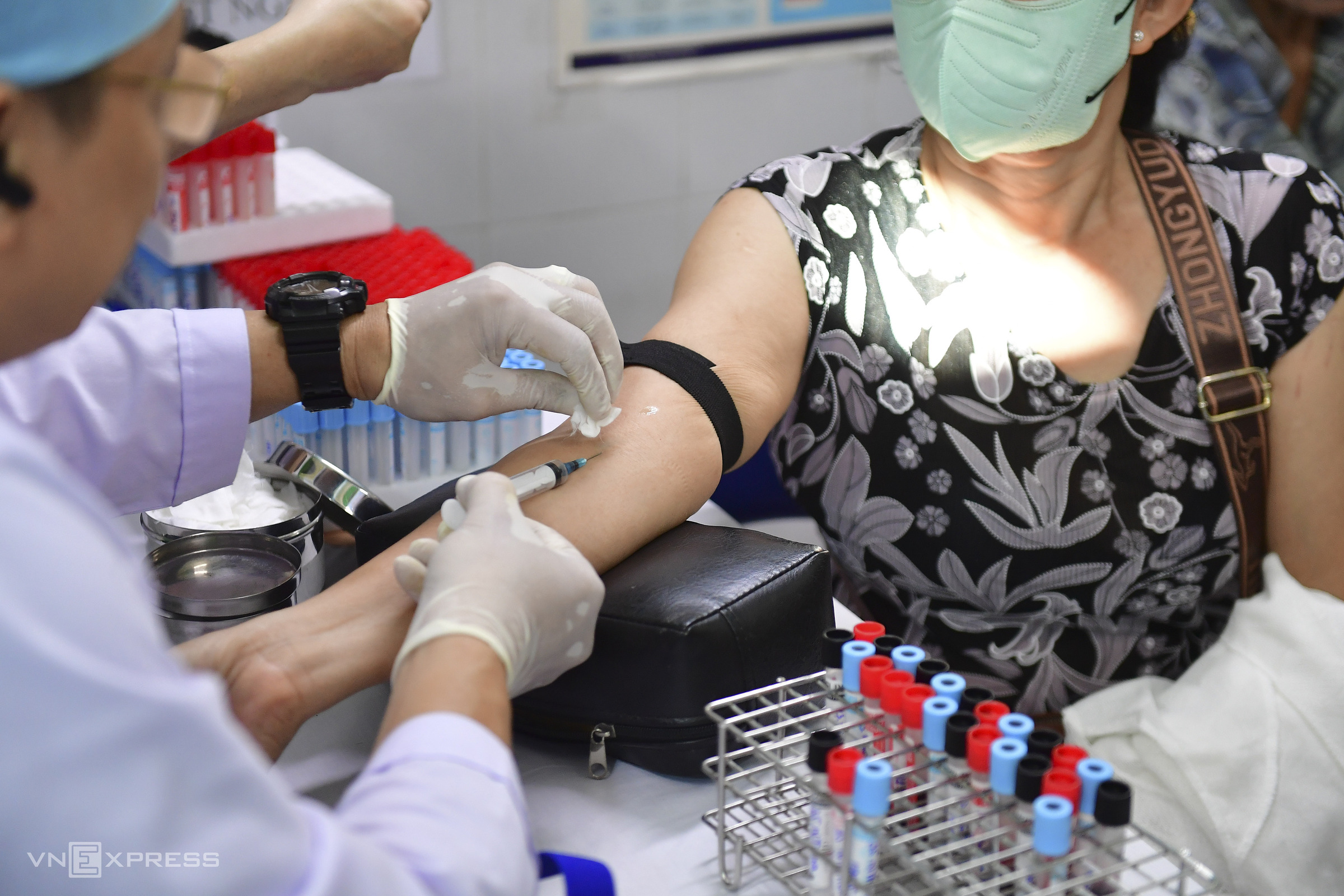 |
Elderly individuals undergoing blood tests at Cau Ong Lanh ward medical station, TP HCM. *Photo by Thanh Tung*
Vietnam aims to eliminate viral hepatitis by 2030. Experts believe this goal faces numerous obstacles, including a low rate of people knowing their infection status, a lack of widespread screening programs, and treatment costs exceeding many patients' ability to pay.
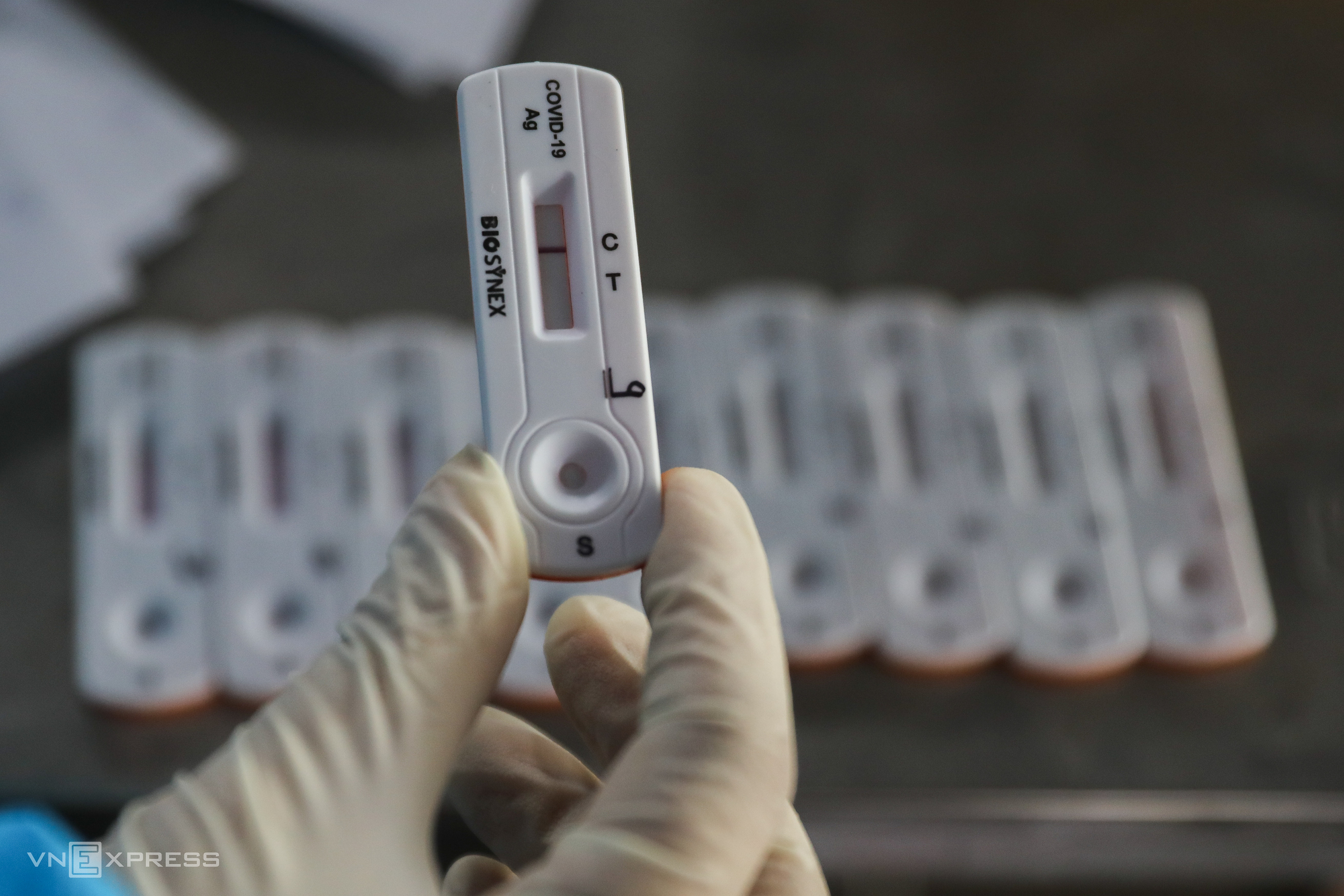
Hepatitis B and C tests currently cost approximately VND 100,000-200,000, depending on the type of test and medical facility. Patients with hepatitis B often require long-term antiviral medication, costing VND 80,000-1.3 million per month. A 12-week course of hepatitis C treatment costs about VND 22 million, with health insurance covering roughly half.
The Ministry of Health recently announced a national free periodic health check-up program starting in 2026. Individuals aged 18 and older will receive a comprehensive clinical examination, blood count, blood sugar, liver and kidney function tests, urine analysis, and chest X-rays.
Stage one prioritizes the elderly, impoverished households, people with disabilities, those with chronic diseases, and residents in remote areas. By 2028, the program will expand to cover the entire population. Professor Kinh views this as an opportunity to integrate hepatitis B and C screening into the basic check-up package.
"If included, these tests will help detect millions of undiagnosed infections, enabling early treatment, reducing the risk of cirrhosis and liver cancer, and lowering future healthcare costs," he said.
He also recommended increasing the rate of neonatal hepatitis B vaccine doses and improving the effectiveness of mother-to-child transmission prevention, as this is the primary transmission route for most new cases in Vietnam. Hepatitis B and C treatment drugs should be included in centralized bidding or price negotiation lists to reduce costs for patients.
Professor Le Trung Hai, Chairman of the Vietnam Association for the Study of Liver Diseases, announced that in the coming period, the association will continue to promote public awareness and prevention campaigns against hepatitis, working towards the goal of eliminating viral hepatitis and reducing the burden of liver cancer.
The public is advised to get tested for hepatitis B and C at least once to determine their infection status. Those not infected should receive the hepatitis B vaccine and check their antibody levels post-vaccination. Infected individuals need regular follow-up appointments every six months, adherence to antiviral treatment, and liver cancer screening.
Le Nga