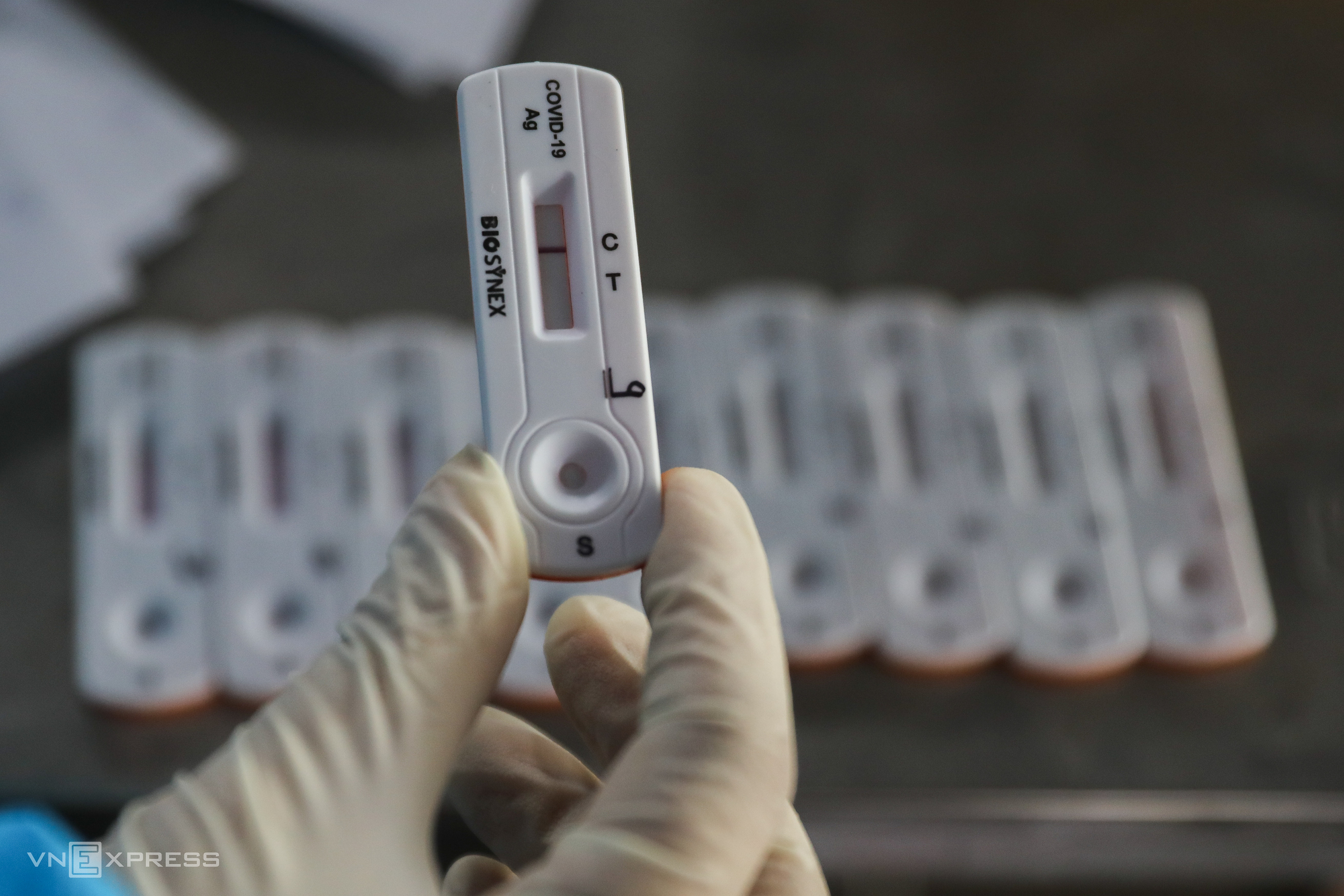
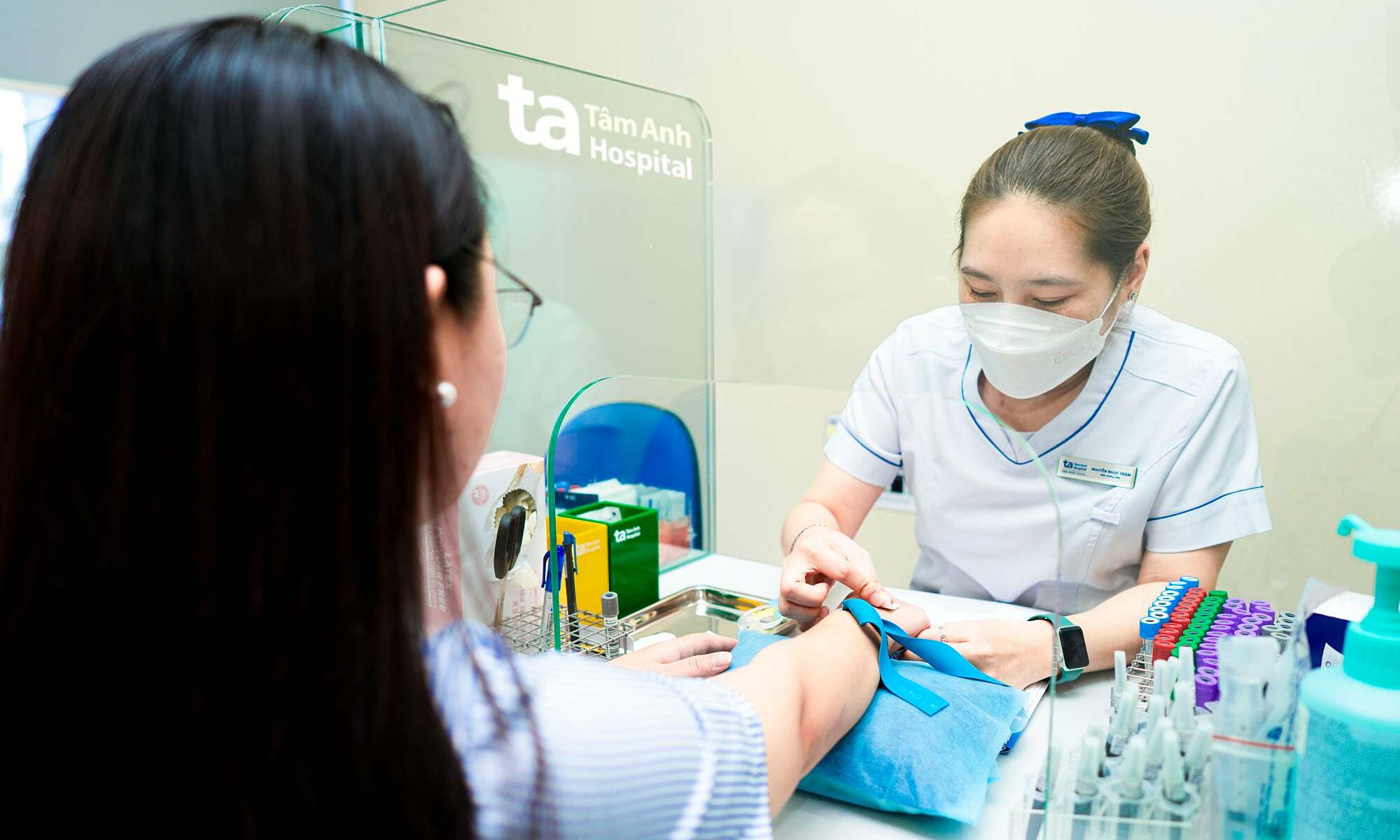
Ho Chi Minh City's community health check-up program recently achieved its highest weekly participation, with 263,327 check-ups conducted between 20/7 and 26/7. This record was announced on 28/7 by Tang Chi Thuong, Director of the Ho Chi Minh City Department of Health. The program, launched more than two months ago in 2026, has now provided examinations and created health records for 1,073,948 residents.
According to Thuong, this achievement reflects the significant impact of the "150-day peak emulation period" across many areas. However, there remains a considerable disparity in progress among wards and communes, necessitating faster implementation in lagging areas to meet the year-end goal of examining all residents.
Phuoc Thang ward led last week's check-ups with 10,921 visits. Following closely were Long Hai commune, Ba Diem commune, Tan My ward, and Tang Nhon Phu ward.
Six localities have surpassed the 25% mark in terms of population covered. The Department of Health attributes their success to proactive measures: early review of resident lists, establishing multiple examination points, offering flexible after-hours check-ups, and mobilizing local authorities to engage individual households.
Conversely, four localities have examined less than 3% of their population. These include Ben Thanh ward, Tan Hiep ward, Tan Uyen ward, and Cau Ong Lanh ward. Last week, five areas recorded fewer than 200 check-ups: Con Dao special zone (44 visits), Thanh An commune (58), Hoa Loi ward (146), Phu Tho ward (181), and Ben Thanh ward (184).
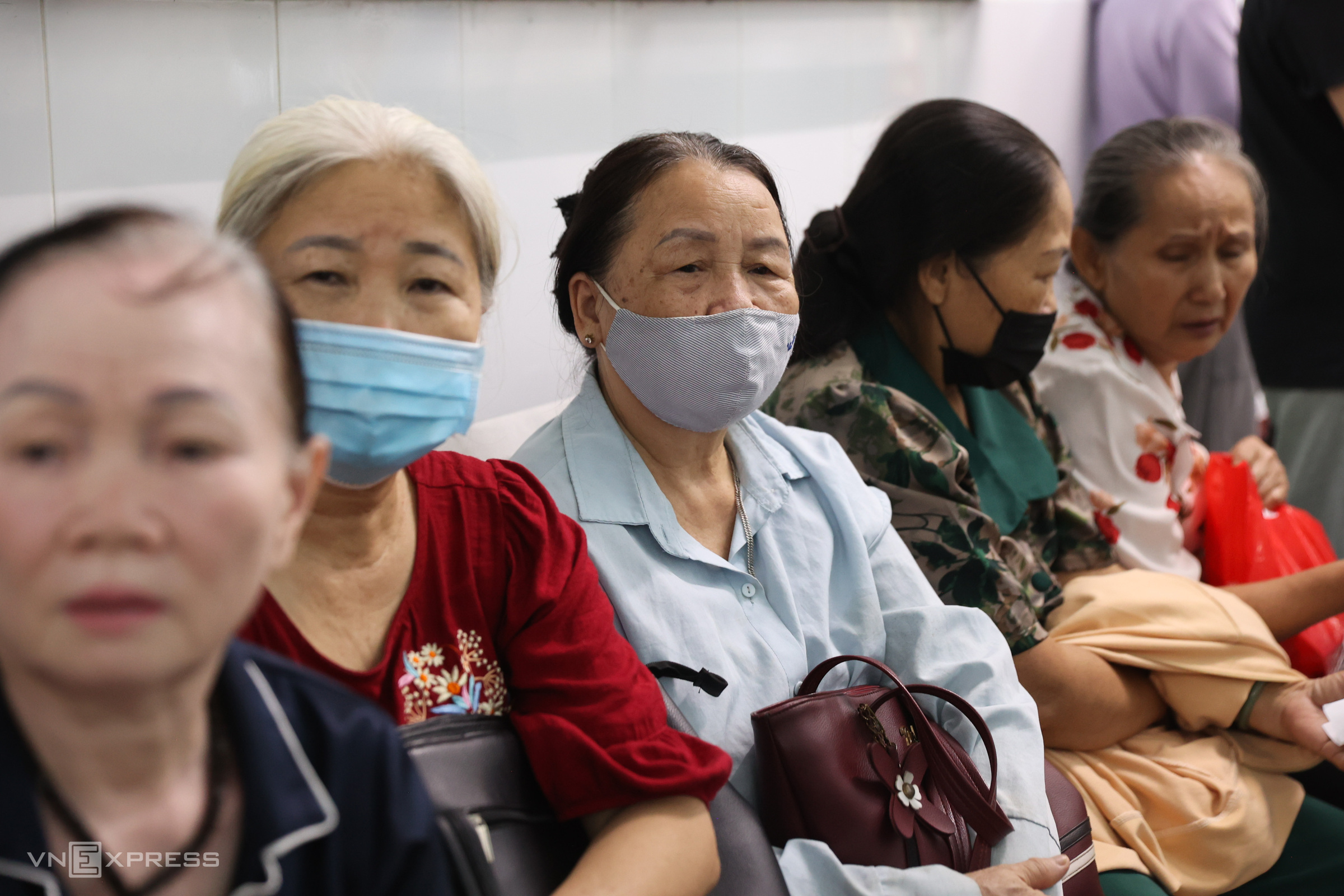 |
Residents waiting for free health check-ups at a medical station in Ho Chi Minh City. Photo: Quynh Tran |
Residents waiting for free health check-ups at a medical station in Ho Chi Minh City. Photo: Quynh Tran
Leaders of the Department of Health state that the disparity among localities primarily stems from organizational approaches and resident mobilization, rather than resource differences. During the program's peak phase, areas with slower progress will enhance communication efforts, open additional after-hours check-up sessions, organize mobile examination teams, and provide home visits for the elderly and people with disabilities. These efforts aim to increase access to services for more residents.
In parallel with expanding coverage, the health sector mandates that healthcare facilities fully update examination results onto the Community Health Management Platform. This ensures the creation of electronic health records for each resident, supporting long-term health monitoring and care.
Le Phuong