To mitigate the effects of alcohol, focusing on nutrition and hydration is key. Replenishing lost nutrients and maintaining stable blood glucose levels can significantly aid recovery.
Consuming carbohydrates is crucial as alcohol lowers blood glucose, causing dizziness. Foods like a few slices of bread or whole-grain crackers help restore these levels. Additionally, alcohol depletes B vitamins, which are essential for alcohol metabolism and elimination. Eating foods rich in vitamin B6, such as meat, poultry, and potatoes, can accelerate alcohol detoxification. Salmon, particularly rich in vitamins, also aids rapid body recovery.
Hydration with electrolyte-rich fluids is more effective than plain water for faster recovery. Coconut water or alkaline drinks containing electrolytes like potassium and magnesium can help neutralize alcohol. An warm cup of ginger tea or ginger blended into a smoothie can soothe an irritated stomach and provide comfort. After drinking, consuming fruits like mangoes, grapes, oranges, pears, bananas, and watermelon is beneficial due to their high water content, which aids rehydration. Bananas are also a good choice as they contain carbohydrates, preventing an empty stomach, increasing blood glucose levels, and replenishing potassium lost from alcohol consumption and frequent urination.
It is important to eat before, during, and after drinking to maintain stable blood glucose levels. Low blood glucose can lead to headaches by increasing blood acid accumulation. Ample rest and sleep are crucial for the body's recovery.
Daily alcohol consumption for men should not exceed 720 ml of beer, 300 ml of wine, or 60 ml of whiskey. For women, the daily limit is 360 ml of beer, 150 ml of wine, or 30 ml of whiskey. Children and adolescents should not consume alcohol. Individuals should try to control their intake to the lowest risk level per occasion.
Associate Professor Nguyen Quang Dung, Deputy Head of the Department of Nutrition and Food Safety at Hanoi Medical University, stated that during the year-end season, many people attend numerous alcohol-fueled parties. This often overloads the body, leading to fatigue, nausea, and dizziness. These symptoms can occur during or after drinking, sometimes lasting until the next day. Alcohol also leads to increased urination.
Avoid drinking alcohol on an empty stomach, as an empty stomach causes blood alcohol concentration to rise rapidly, leading to lightheadedness. Do not consume alcoholic beverages of unknown origin or unusually low prices. Avoid mixing alcohol with carbonated soft drinks or soda, which contain high levels of CO2, as this accelerates alcohol absorption, potentially causing headaches and dizziness.
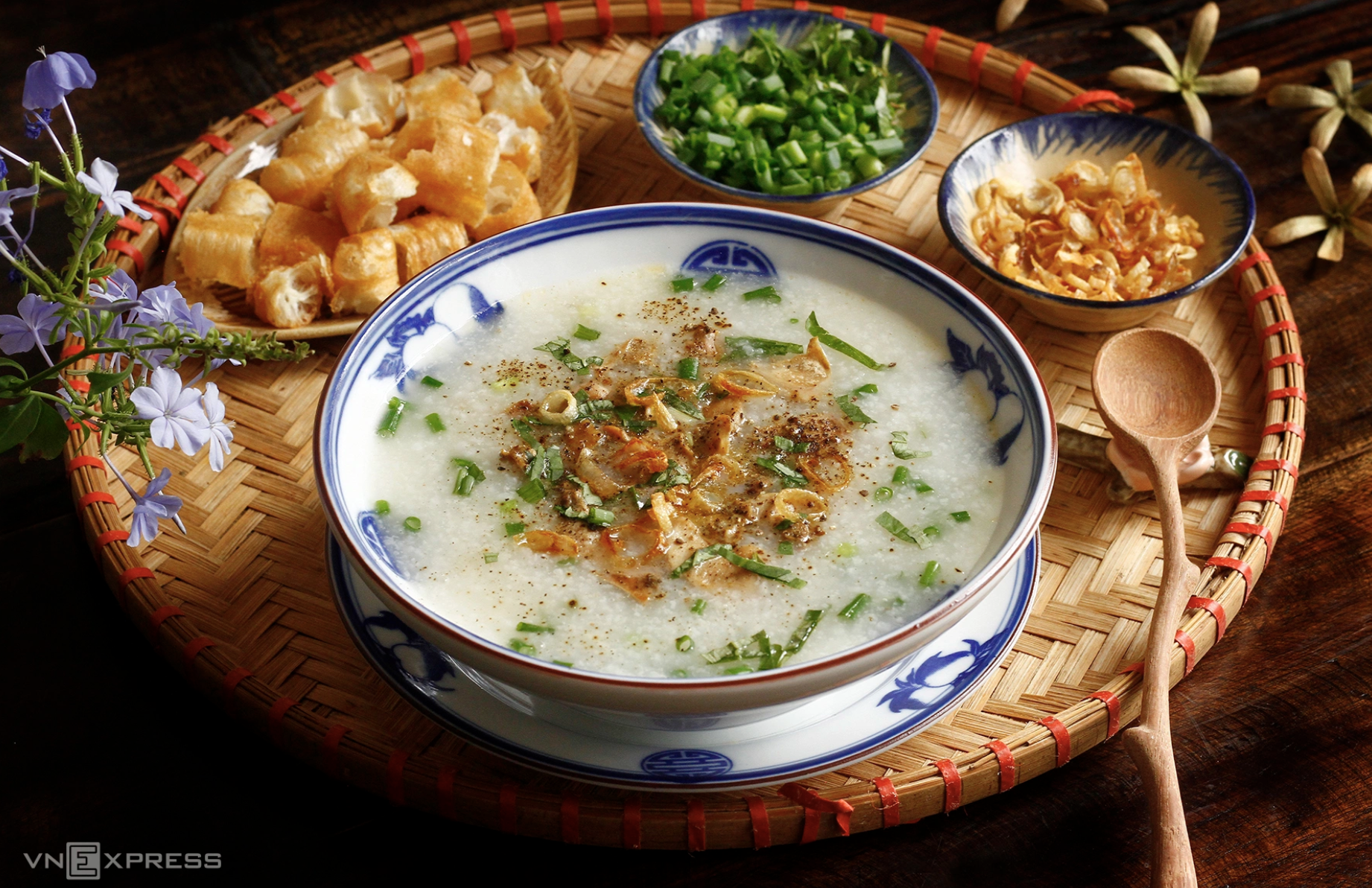 |
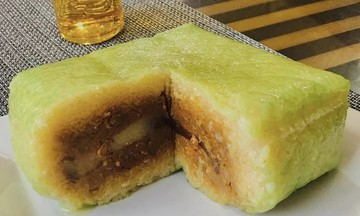
After drinking alcohol, you can eat porridge or bread to reduce feelings of intoxication and hangover. Photo: Bui Thuy |
Thuy An