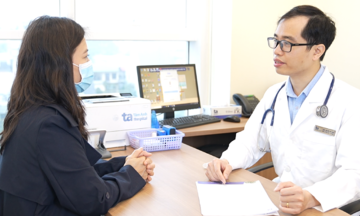
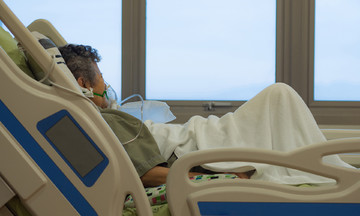
Mr. An arrived at Tam Anh General Hospital, Ho Chi Minh City, with high blood pressure of 210/120 mmHg and a long history of hypertension. Doctors activated the specialized Stroke Code emergency protocol. CT scans with 1975 slices and MRI revealed a right frontal-putamen brain hemorrhage. A hematoma, over 5 cm in diameter, extended into the internal capsule, compressing multiple nerve tracts. The right ventricle was flattened, the midline shifted nearly 9 mm, and diffuse cerebral edema indicated severe intracranial pressure.
Master, Doctor, Second-Degree Specialist Chu Tan Si, Head of Neurosurgery and Spine Department, Neuroscience Center, explained that the hemorrhage location coincided with a weakened, bulging vessel wall, characteristic of small aneurysms in individuals with chronic hypertension. Prolonged high blood pressure subjects vessel walls to constant stress, leading to degeneration of muscle and elastic fibers, making blood vessels brittle and rigid. This weakened state facilitates the formation of tiny microaneurysms. A sudden surge in blood pressure due to exertion, stress, or cold weather can cause these aneurysms to rupture, leading to acute hemorrhage into the brain parenchyma.
Following a consultation, the surgical team operated on Mr. An using an artificial intelligence (AI)-integrated robotic system. "This was a complex neurosurgical case because the aneurysm was small, deeply located, and very close to critical motor nerve tracts. Even a minor surgical error could lead to permanent paralysis, speech disorders, or a secondary stroke", said Doctor Si. He added that traditional methods would have required a longer access time to the area, increasing the risk of complications.
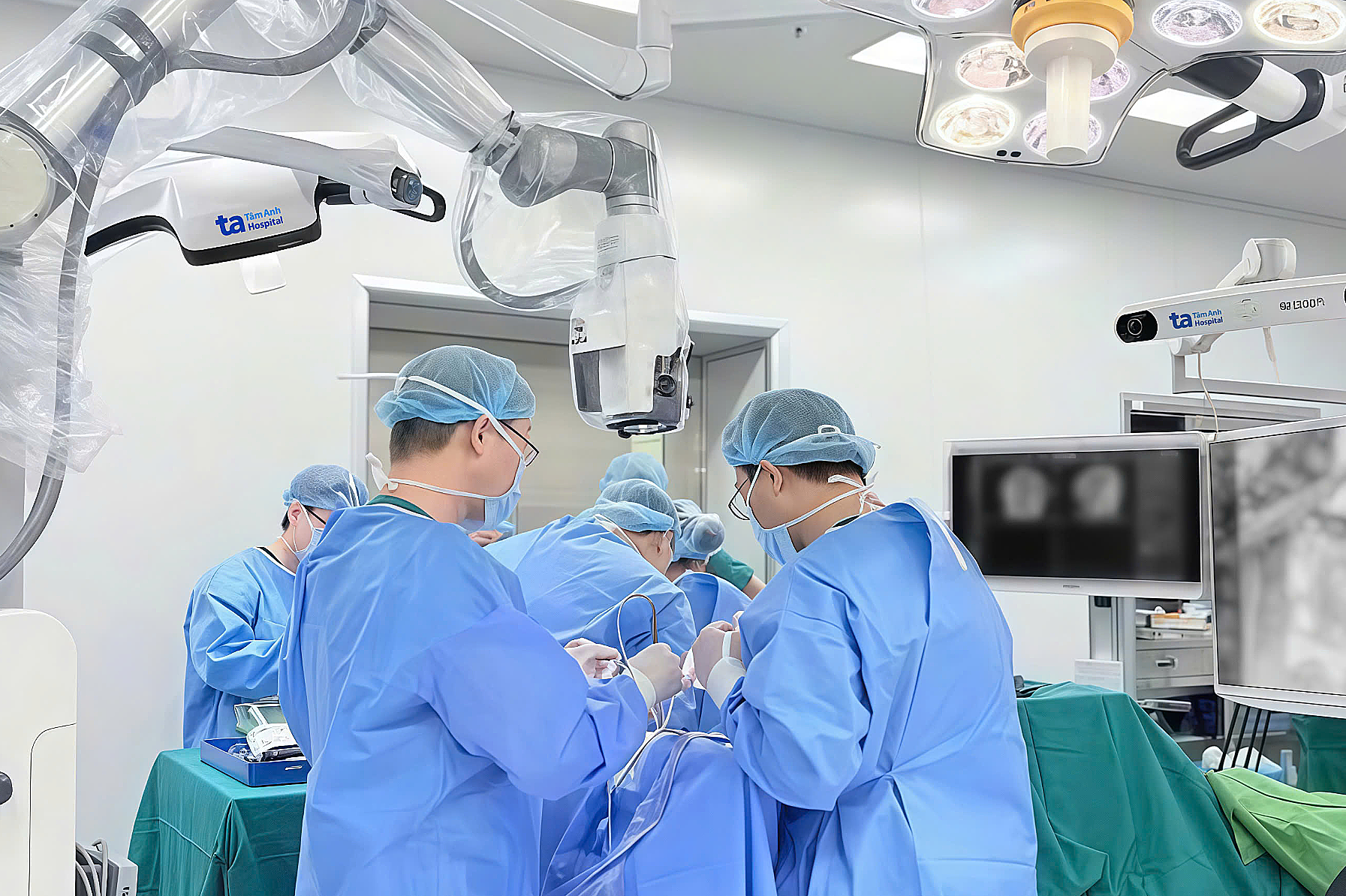 |
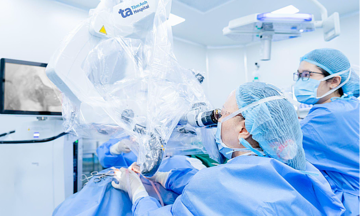
The surgical team removed the stroke-related hematoma for Mr. An using the Modus V Synaptive robot. *Photo: Tam Anh General Hospital* |
Before surgery, the AI robot integrated data from MRI, CT, and DSA to create a high-resolution 3D brain map. This map detailed the boundaries of the hematoma, aneurysm, healthy brain tissue, and nerve fiber tracts. This allowed doctors to simulate the shortest and safest access route, minimizing invasion of critical functional areas.
The robot arm, equipped with an automated microsurgical microscope, assisted in removing the hematoma. Subsequently, doctors clipped the aneurysm under the microsurgical microscope, using fluorescence imaging to precisely identify the aneurysm neck and ensure complete clipping before cranial closure. In just over one hour, the team successfully removed the hematoma, clipped the aneurysm, and decompressed the brain, rapidly reducing intracranial pressure.
Within 24 hours, Mr. An regained consciousness and showed slight movement in his left limbs. He was discharged after 9 days of treatment, able to walk around his room and eat independently. He continues to follow a blood pressure control regimen and guidelines for preventing recurrence.
 |
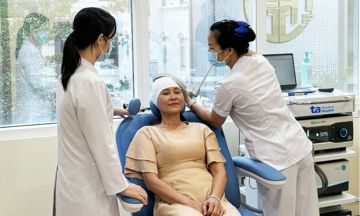
Doctors examining Mr. An before his discharge. *Photo: Tam Anh General Hospital* |
Doctor Tan Si noted that many severe brain hemorrhage cases occur in hypertensive individuals who are complacent, neglect follow-up appointments, or do not take medication regularly. He emphasized that during cold, rainy days or seasonal transitions, the body reacts by constricting peripheral blood vessels to conserve heat, causing blood pressure to surge. This sudden increase in pressure on cerebral vessel walls makes aneurysms more prone to rupture.
Individuals with hypertension, diabetes, dyslipidemia, a history of smoking, or a family history of stroke should undergo regular stroke screenings, including CT scans, MRI, specialized tests, and ultrasounds, to detect cerebral vascular abnormalities early. If symptoms such as severe headache, facial drooping, weakness or paralysis on one side of the body, slurred speech, or sudden vomiting occur, patients must be taken to a specialized hospital as soon as possible to increase their chances of survival.
Trong Nghia
At 8 p.m. on 5/12, Tam Anh General Hospital system will host an online consultation titled "Stroke and Hypertension in the Cold, Rainy Season - High-Tech Screening and Emergency Care; Vietnam's Only Surgical Robot," broadcast on the VnExpress fanpage. Participating doctors include: Associate Professor, Doctor Nguyen Thi Bach Yen, Head of Cardiology Department; Doctor Le Van Tuan, Director of the Neuroscience Center; and Master, Doctor, Second-Degree Specialist Chu Tan Si, Head of Neurosurgery and Spine Department. Readers can submit questions here. |