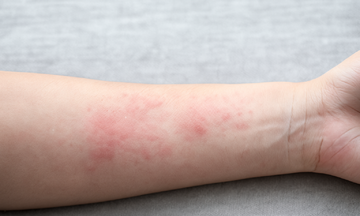
On the afternoon of 26/11, the department announced its investigation findings. These conclusions were based on epidemiological data and expert opinions from the Ho Chi Minh City Institute of Public Health and treating hospitals. Lab test results confirmed banh mi was the contaminated food, with Salmonella as the primary agent.
The outbreak occurred between 7/11 and 12/11, affecting 316 individuals who developed symptoms after eating at the establishment. During treatment, hospitals collected 27 patient samples, including stool and vomit. Fifteen of these samples tested positive for Salmonella bacteria.
Prior to this announcement, authorities had collected ingredient samples and inspected the banh mi shop's legal documents and hygiene conditions. The Food Safety Department is finalizing legal action against the owner in accordance with regulations. It is also increasing oversight of food businesses, requiring them to follow a three-step food inspection process and retain samples to prevent similar incidents.
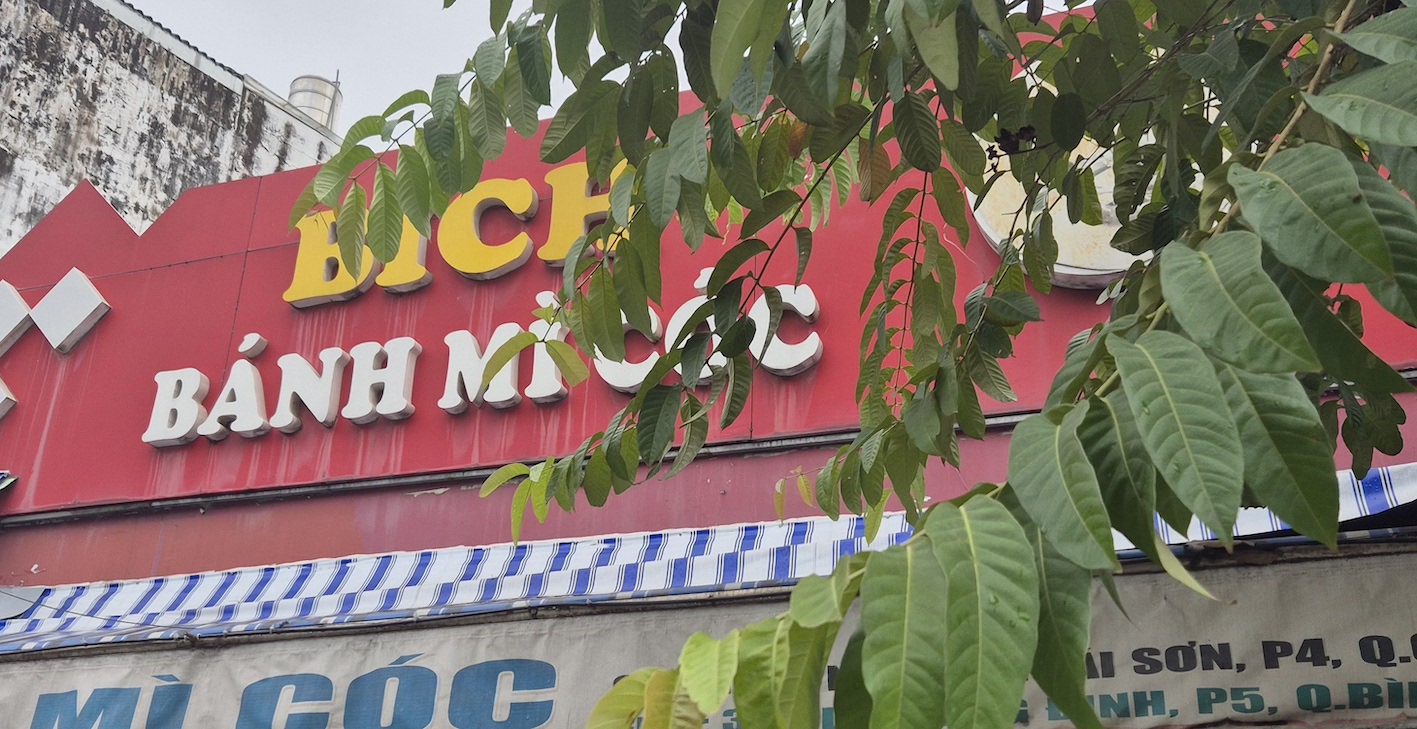 |
The banh mi shop has been closed since 7/11. Photo: Le Phuong
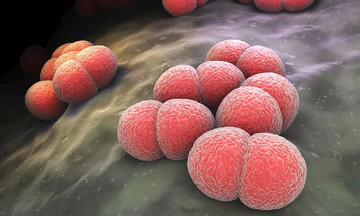
According to the World Health Organization (WHO), Salmonella is a leading cause of diarrhea globally and is responsible for numerous large-scale food poisoning outbreaks. When it enters the body through contaminated food or water, the bacteria produce toxins that damage the intestinal lining, causing abdominal pain, vomiting, and diarrhea. Without timely rehydration, patients can suffer severe dehydration, low blood pressure, multi-organ failure, and even death. If the bacteria enter the bloodstream, it can lead to life-threatening sepsis.
Salmonella thrives in warm, humid environments, particularly between 35-37 degrees Celsius. During unsanitary slaughtering processes, the bacteria can spread from livestock and poultry to meat, eggs, and other foods. Consumers are susceptible to infection from eating raw or undercooked eggs and meat. Vegetables and milk also risk contamination from animal feces. Symptoms typically appear approximately one day after consumption but can emerge as late as 4-5 days.
Doctors advise that if individuals suspect food poisoning due to symptoms like vomiting, diarrhea, abdominal pain, or fever, they should stop consuming the suspected food and rehydrate with oral rehydration solution (Oresol) or cooled boiled water. It is crucial not to self-medicate with anti-diarrhea drugs or antibiotics, as these can worsen the condition. Seek medical attention if experiencing severe vomiting, persistent diarrhea, high fever, or signs of dehydration, such as dry lips, infrequent urination, or lethargy.
To prevent food poisoning, people should adhere to food safety principles during preparation: wash hands thoroughly, avoid using the same cutting boards and knives for raw and cooked foods, store cooked food in a display cabinet, and consume it within four hours of cooking. It is also advisable to limit the consumption of raw or undercooked items.
Le Phuong