To date, there is no reliable scientific evidence suggesting that individuals with tumors or cancer need to completely avoid soy. No studies show that eating soy causes tumors to grow or cancer to spread.
This misunderstanding stems from soy's content of isoflavones, plant compounds structurally similar to estrogen. Previously, some worried that isoflavones could stimulate hormone-sensitive cancers, especially breast cancer. However, human studies over many years show that consuming soy at normal dietary levels does not increase the risk of breast cancer recurrence or mortality. In fact, some research notes certain benefits for health and disease prognosis.
Soybeans and soy products, such as tofu, soy milk, boiled soybeans, and "tao pho" (a type of sweet tofu pudding), are good sources of plant protein, fiber, vitamins, and minerals. Cancer patients often need to maintain adequate nutrition to improve their physical condition, support treatment, and aid recovery.
However, patients should prioritize natural, conventionally processed soy foods. They should not overuse isoflavone supplements or functional foods containing high levels of this active compound without consulting a doctor. Maintain a balanced diet with diverse foods instead of relying on a single food type.
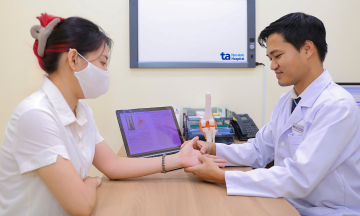
For specific types of cancer or treatment conditions, patients should consult their treating doctor or a nutritionist for appropriate guidance.
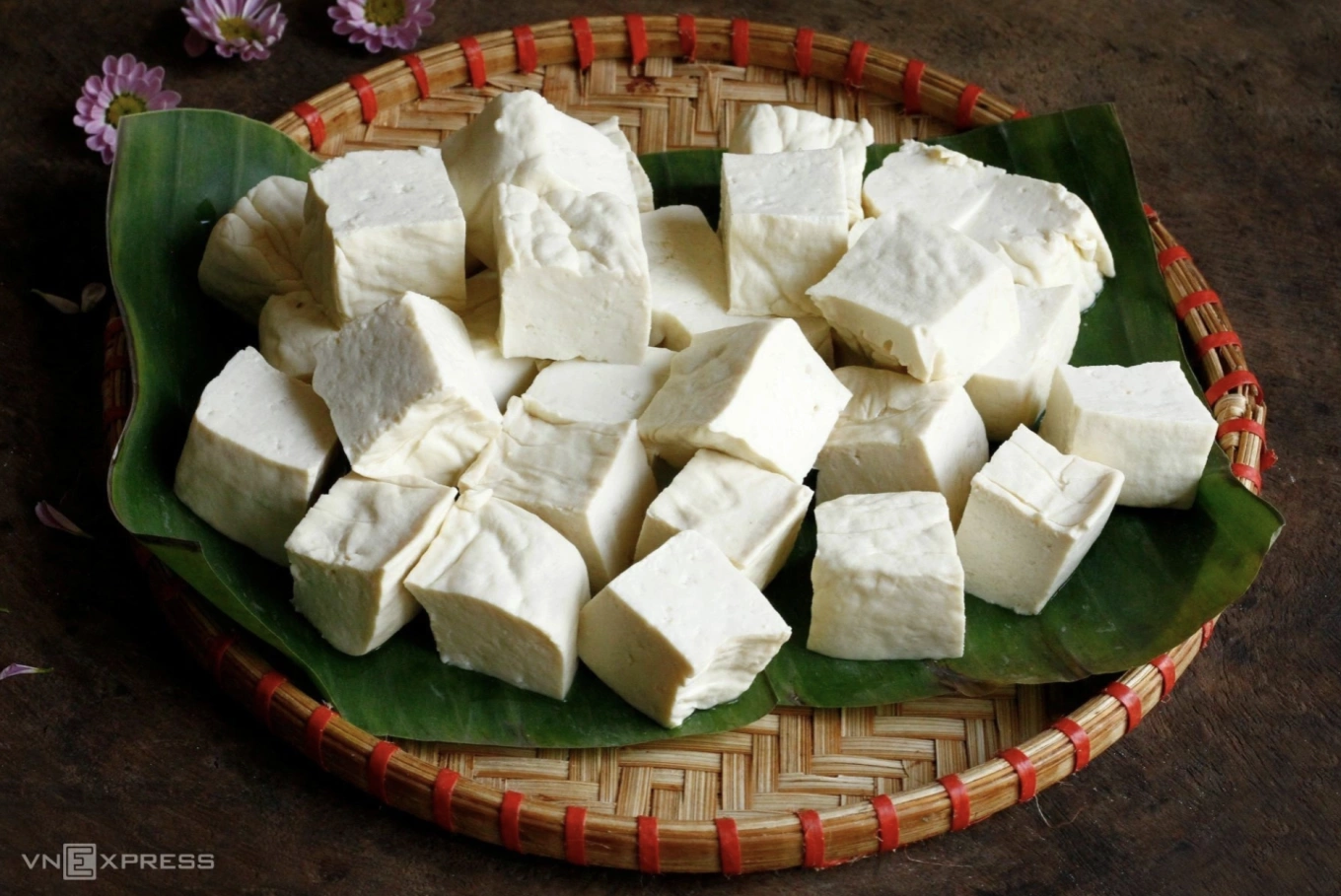 |
Photo: Bui Thuy |
Doctor Ngo Van Ty
Oncology Department, Hanoi Medical University Hospital