Carpal tunnel syndrome (CTS) develops when the median nerve, which runs through the carpal tunnel in the wrist, becomes compressed. This compression leads to inflammation, pain, numbness, and reduced or lost sensation in the hand, causing discomfort. While the condition is primarily treated with conservative methods like medication and physical therapy, your surgery indicates a severe stage, likely involving sensory disturbances, muscle atrophy, or a lack of improvement after months of conservative treatment.
After treatment, regardless of the method, carpal tunnel syndrome carries a risk of recurrence. Causes may include incomplete release of the transverse carpal ligament during surgery, resulting in continued nerve compression. Re-inflammation of tendons within the carpal tunnel due to overuse or the formation of scar tissue around the nerve can also contribute. Additionally, poorly controlled underlying conditions, such as diabetes, arthritis, or hypothyroidism, can elevate the risk of recurrence.
 |
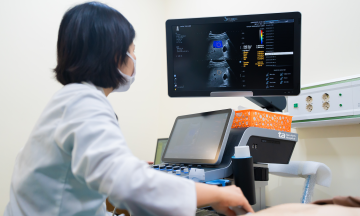
Doctor Chon assesses a patient's hand and wrist function. *Illustration: Tam Anh General Hospital*. |
To prevent carpal tunnel syndrome recurrence, modify your lifestyle by reducing activities involving repetitive wrist movements, ensuring adequate rest, and performing regular wrist stretching exercises. Should you notice any warning signs of recurrence, seek immediate medical attention for evaluation and prompt treatment.
If recurrence is confirmed, mild cases typically involve wearing a wrist splint (especially at night), using anti-inflammatory medication, or receiving corticosteroid injections. Should conservative treatment prove unsuccessful, a doctor may recommend a second surgery to release scar tissue or decompress the nerve.
Dr. Tran Ngoc Chon
Orthopedic Trauma Center
Tam Anh General Hospital, TP HCM
| Readers can submit questions about musculoskeletal conditions here for a doctor's response. |